Category: Lead Generation

How to Generate Leads for Your Business – Lead Generation Tips & Ideas

Nearly 20% of small businesses with employees fail within their first year, according to data from the BLS. While this article isn’t going to dissect the wide range of reasons a business may fail, it will highlight one of the main factors for business success: consistent lead generation.

For your venture to scale quickly and consistently turn a profit, you must learn how to generate leads for your business. Here’s a simple framework that applies to almost every successful lead generation strategy in 2026.

A Simple 5-Step Lead Generation Framework

  1. Define your target audience clearly. Know who you want…and who you don’t.
  2. Choose 2-3 acquisition channels. Don’t try everything at once.
  3. Create a strong offer. Give people a reason to raise their hand.
  4. Capture and follow up quickly. Speed matters.
  5. Nurture until they’re ready to buy. Most leads don’t convert immediately.

The proven strategies below support this framework. Use them intentionally instead of randomly.

What is Lead Generation in Marketing?

Lead generation is the process of gaining actionable interest in your business. This usually happens when someone starts a conversation or shares their contact information so you can follow up about your products or services.

For example, a law firm might receive:

  • A form submission from a potential client
  • A phone call to schedule a consultation
  • A direct message on social media platforms
  • An email requesting more information

Effective lead generation makes it easy for prospects to take that next step and engage with your company.

10 Lead Generation Examples

Whether you plan to buy high quality leads or build your lead generation marketing plan, having a business lead generation strategy in place will help you turn strangers into paying customers.

Increase your revenue and grow your business today with these 26 lead generation techniques. Download your free eBook now!

Before building out your strategy, take a look at the following 12 ways to quickly generate high quality leads for your business.

1. Direct Engagement

If your business sells a high-value product or a service that is billed on a monthly retainer, directly engaging with a potential customer is a great approach to generating new business leads. If your revenue model operates on low-value high-volume sales, it’s best to rule this option out.

You can reach out to prospects directly through social media marketing, email, phone, or even in person after establishing that they might be a good fit for your business.

For example, if you run a lawn care company in Houston and there’s a large commercial property being built in the area, call the property manager about servicing the completed estate. This is a great example of how to generate sales leads in Houston or any other area that your local business may service.

2. Generate High Quality Leads on LinkedIn

Did you know that the audience on LinkedIn has 2x the buying power that your average web audience has? B2B marketing using LinkedIn networking is especially effective and can yield very profitable lead generation results.

Making virtual connections with relevant industry leaders is one of the best online lead generation tools…not to mention community building! Potential connections asking for recommendations for a service that you offer could turn into your next paying customer.

Strategies for Building Connections and Generating Leads

Using social media to advertise is also a great way to leverage LinkedIn (or other social media channels) if you have the budget. You even have the option to pay for lead-gen ads that include forms directly within your ads. These ads make it easy for relevant users to sign up for your products or services.

Another LinkedIn lead generation tactic is to connect with members of your target audience, engage with their posts, and message them directly to offer your product or service. Take note that this approach will only work if their profile and posts indicate that your services will help fill one of their unmet needs. If that’s not the case, your outreach could be written off as spam and hurt your credibility.

3. Advertise and Retarget
lead generation marketing strategies Houston

Social media isn’t the only place to advertise! Use targeted pay-per-click advertising on Google or Bing to market to search engine users. This helps you serve ads for searches you already know are extremely relevant to your business.

Imagine you’re a BMW dealer trying to improve your car dealership marketing in Houston. You can create ads that target phrases like “best BMW dealer in Houston” or “new BMW in Houston” and even use a geo-filter to target consumers who are searching in the Houston area.

Very few web visitors convert on their first visit to your website. When a user clicks on your PPC ads, you can use display retargeting to show visual advertisements for your products on other popular sites across the web.

Paid advertising can take some time to perfect, but it can be one of the most effective approaches to online lead generation for your business.

4. Ask for Referrals from Current Customers

Customer referrals are one of the oldest lead generation marketing strategies out there. If your product or service has delighted a current customer, ask them to share their experience with their friends who also might benefit. Don’t underestimate the power of word of mouth marketing!

The quality of your business’s offerings may be good enough that customers do this for free, or you could set up an incentive system. For example, give your customers a certain percentage off their next monthly retainer fee for every client they refer.

Customer referrals and positive reviews are always a great way to get more leads for your business because it’s profitable, and your current customers are doing most of the work.

5. Write Guest Blogs

Writing guest blogs is a great way to generate referral business through valuable content marketing and improve your SEO at the same time.

Marketing Benefits of Guest Blogging

  • Forms new industry connections
  • Improves your SEO by acquiring meaningful, industry-relevant backlinks
  • Generates referral traffic from a relevant audience

You can find quality leads for your business by guest blogging for sites that are relevant to your industry but don’t directly compete with you. For example, if you’re a marketing company, you can guest blog for sign companies in your area. You know that the sign makers audience is interested in marketing themselves, and your services act as a complement.

Blogging for local influencers aligns with local SEO best practices. For example, writing a guest blog and getting backlinks from a popular podcaster in your area will help your site rank more easily in that locality.

For optimal SEO and lead generation results, make sure the site you’re writing blogs for is relevant to both your industry and location.

6. Rank in Search Engines to Generate Leads

how to generate leads for your business

When your target audience searches for your product or services online, make sure they can easily find you. Learn how to generate more leads for your business by tapping into SEO and SEM for your website.

Start by doing keyword research to determine what phrases your target audience searches before purchasing your product or service. You can use tools like SEMrush or the Google Ads Keyword Planner to find search data.

Once you’ve identified the right keywords, optimize your page content. If you’re selling a highly competitive good or service, ranking organically might be difficult. Using an SEO company can be a great lead generation tactic if you’re willing to invest.

When to Consider Professional SEO Services

Learn how to choose an SEO company before you make any investment decisions. Not every agency delivers the same results, so it’s important to know how to choose a lead generation firm that is right for your business!

7. Answer Forum Questions

Answering forum questions is a great way to prove your subject matter expertise while also setting the stage for reciprocity. If done strategically, this practice can help you find high intent leads in a matter of minutes.

“… The key to using the Principle of Reciprocity is to be the first to give and to ensure that what you give is personalized and unexpected.”

This quote from Influence at Work outlines how being the first to give something can help you receive something of equal or greater value.

Put this principle of persuasion into action by answering forum questions on sites like Reddit or Quora. Find a category that is relevant to your business, and start answering user questions. At the end of your answer, make sure to include a call-to-action to use your product/service to help solve the user’s problem.

8. Offer a Free Tool or Lead Generation Magnet

Offering a lead magnet is a great way to generate business-to-business sales leads. What type of problem does your product or service solve? Can you offer a free tool that will help users without eliminating the need to eventually purchase from your business?

For this example, imagine that you’re a Houston-based plastic surgeon. After polling your X audience and doing some keyword research, you determine that users are interested in learning about procedure costs and recovery times.

As a result, you decide to compile an eBook that outlines price ranges, recovery time ranges, and before and after photo examples for all of the different procedures that you offer. You write up a teaser blog post and then require people to exchange their name, phone number, and email address for the information you’ve provided.

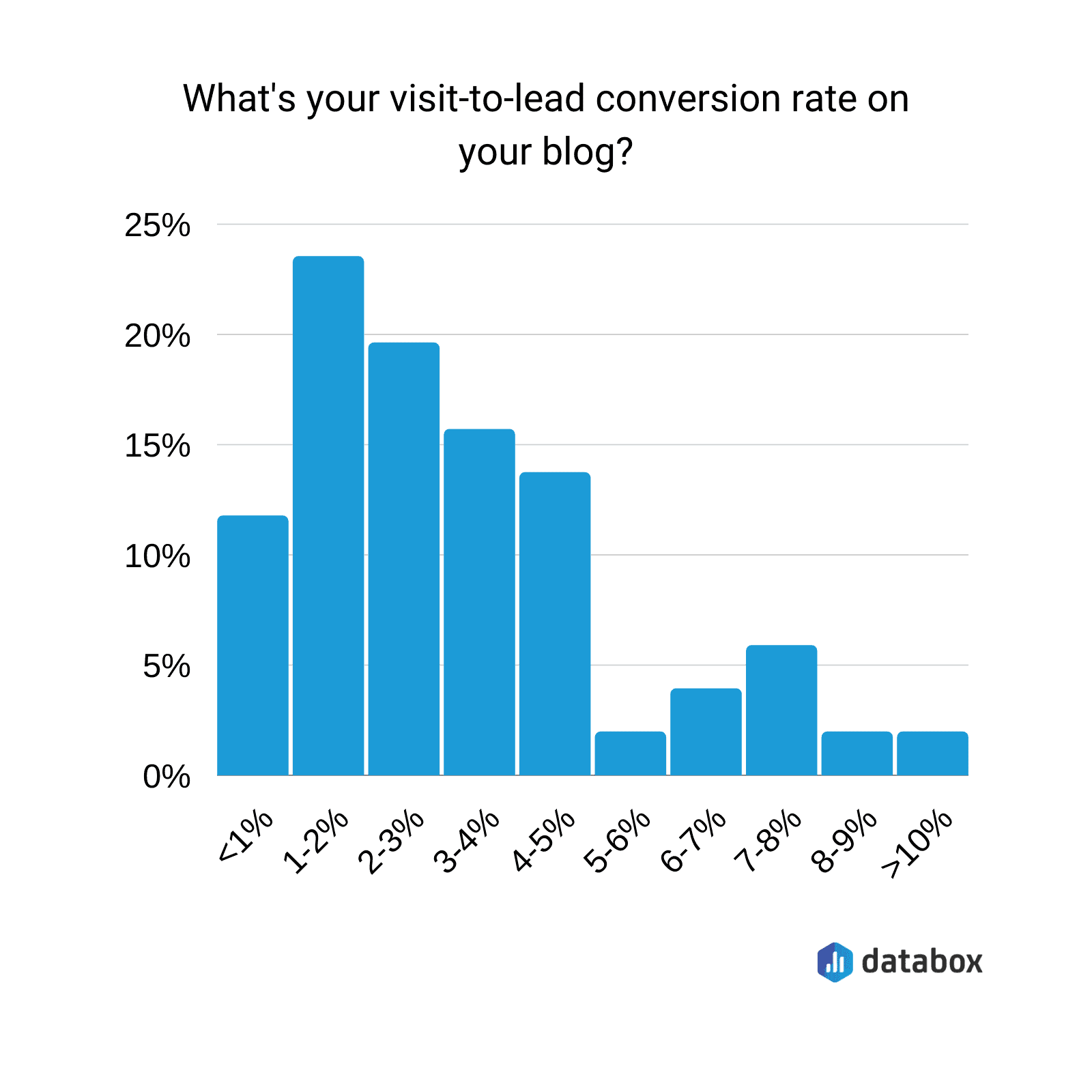
With the right topic, targeting, and call to action, your blog can start earning contact information. A higher alignment of the blog topic, CTA, and offer will result in a higher conversion rate. Here are the visit-to-lead conversion rate averages that you can expect according to blog lead conversion data from Databox.
best way to generate leads for business - blog conversion

The teaser blog post is so valuable that interested readers are linking to your lead magnet landing page and signing up for the free eBook. Your guide will help you get qualified leads for your business and have a positive impact on your Houston plastic surgery SEO at the same time.

What opportunity exists within your industry? Popular examples include building calculators, compiling original research, offering free guides, or even offering free consultations to help generate leads for your business.
9. Start Networking

Online networking rarely leads to direct revenue but is great for nurturing professional opportunities. Try to select a networking event that is both local and related to your industry. This will help keep your travel costs low, and ensure that you are capitalizing on easy business wins.

What to Expect from Networking Events

What can you expect to gain from networking? If you walk in with ROI in mind, you’ll almost always be disappointed. Instead, look for oblique wins.

Maybe you’ll meet a complementary business that you can partner with to share leads, expanding your reach. Perhaps you meet an influencer who agrees to interview with you so that you can build a great piece of content and expand your marketing reach at the same time. Networking can even open up guest blogging opportunities for your company.

There are almost always multiple returns on your networking investment, making it one of the best ways to get qualified leads for your business.

10. Create an Email Offer

Local lead generation doesn’t always have to stem from exposure to a new audience. You might have untapped business potential in your email lists.

If you’ve built your own list of email subscribers, consider putting together a special offer. A special discount or limited-time offer can effectively turn a passive bystander into your next potential customer.

Collaborate with partners for greater reach! You can also offer special email marketing offers to other people’s email lists. If you’re actively networking or partnering with complementary businesses in your industry, you can structure a deal that lets you promote yourself to their audience.

Recall our previous example of a guest blog partnership between a marketing agency and a sign-maker. The marketing agency could suggest a business promotion in the sign company’s next email marketing newsletter and offer the sign-maker 5% of all sales generated from the initiative. This is a win-win-win lead generation situation for the marketing firm, the sign company, and the happy new customers.

what is lead generation in marketing?

Understanding the Lead Generation Funnel (TOFU, MOFU, BOFU)

The lead generation funnel consists of three stages that help move prospects from awareness to conversion:

1. Top of the Funnel (TOFU) – Awareness Stage

  • Top of sales funnel is where potential customers first discover your business.
  • Content types: Blog posts, social media content, educational videos, infographics, SEO-optimized articles.
  • Goal: Attract and inform.

2. Middle of the Funnel (MOFU) – Consideration Stage

  • Middle of sales funnel is when leads are evaluating solutions and considering your business as an option.
  • Content types: Webinars, case studies, free guides, email marketing sequences, comparison articles, misc. content marketing.
  • Goal: Nurture and educate.

3. Bottom of the Funnel (BOFU) – Decision Stage

  • Bottom of sales funnel is when leads are ready to make a decision and need a final push.
  • Content types: Free trials, product demos, testimonials, discount offers, one-on-one consultations.
  • Goal: Convert and close.

Common Lead Generation Challenges (& How to Overcome Them)

Generating qualified leads sounds great in theory, but in practice, it comes with a set of hurdles. Here are some of the most common challenges businesses face, along with actionable solutions:

Attracting the Right Audience – Not every lead is a good lead. Many businesses struggle with targeting the right people who are actually interested in their products or services.

  • Solution: Define your ideal customer using buyer personas and tailor your digital marketing efforts accordingly. Use data-driven insights to refine your audience targeting.

Standing Out in a Crowded Market – Competition is fierce, and cutting through the noise requires a clear and compelling message.

  • Solution: Practice integrated marketing and ensure your unique value proposition is front and center in all your messaging.

Converting Leads into New Customers – Lead generation is just the first step. The real challenge lies in nurturing qualified leads and converting them into paying customers.

  • Solution: Use lead nurturing tactics such as personalized email marketing, retargeting ads, and one-on-one outreach to build relationships and move more leads through your funnel.

Keeping Up with Changing TrendsInternet marketing channels and AI are evolving quickly, and businesses must adapt to stay ahead.

  • Solution: Stay informed about industry trends and continuously optimize your strategies based on performance data.

Measuring Success – Many companies struggle to track their inbound lead generation efforts effectively and determine what’s working and what isn’t.

  • Solution: Monitor key marketing metrics like conversion rates, cost per lead, and return on investment. Use tools like Google Analytics, HubSpot, or Salesforce to track performance and refine your approach.

Frequently Asked Questions about Online Lead Generation

Let MARION Help Build Your Lead Generation Strategies

Growing your business starts with a solid lead generation process. The web marketing team at MARION builds targeted campaigns that drive traffic, capture qualified leads, and turn them into real opportunities.

If you’re in Houston, Austin, or Dallas, we can connect your online lead generation efforts directly to your revenue goals. Ready to see how we can help?

Contact our marketing agency today for a free consultation.

Marketing emails you’ll actually want to read.

Get marketing tips and news sent to 
your inbox.

This field is for validation purposes and should be left unchanged.
Name(Required)

Ultimate Email Subject Line Guide for Sales & Marketing Teams

Your marketing email’s subject line is the make-or-break moment. It’s the first impression, the deciding factor between an open or trash. This guide entails everything sales and marketing teams need to know to write the best email subject lines for their business.

Let’s Talk Subject Lines

Your subject line sets the tone for your email campaign. A strong line can support your marketing funnel, and a weak one can make even the best message go unseen.

Comparing Sales vs. Marketing Subject Lines

Now, sales and marketing teams might have the same goal (get people to open the email) but the way they go about it is different. Sales is more direct, marketing plays the long game. Here’s a quick breakdown:

Focus AreaSales TeamsMarketing Teams
GoalDrive responses, schedule calls, or close dealsBuild awareness, engagement, and loyalty
TonePersonal, confident, focused on resultsInformative, consistent with the brand voice
Example Phrases“Ready to hit your Q2 targets?” “Let’s talk growth opportunities.”“New insights from our latest guide.” “3 ways to refine your content strategy.”
ApproachFocus on customer needs and immediate valueSupport long-term brand connection and campaign goals

When both align, sales follow-through becomes easier. Email marketing opens the door, and sales keeps the conversation going.

how much do companies spend on marketing

The Anatomy of an Effective Email Subject Line

Writing strong email subject lines takes practice. Here’s what separates the best from the rest:

  • Clarity – Be direct. Readers scan fast.
  • Personalization – Add a name or relevant detail to make it feel more personal.
  • Urgency (without pressure) – Give a reason to act without sounding forceful.
  • Consistency – Match the promise of the subject line with the content inside.
  • Testing – Try variations to learn what works best for your audience.

The Psychology Behind Great Subject Lines

People respond to emotions and curiosity. If your subject line taps into anticipation, FOMO, or a real problem they’ve got? That’s gold. Ask yourself: “What’s in this for them?” Answer that, and you’ve got a solid start.

Types of Marketing Emails & Example Subject Lines

Different types of emails call for different approaches. Before writing, think about your intent and audience.

A/B Testing Subject Lines (And Why You Should)

If you’re not testing subject lines, you’re guessing. Try small tweaks like switch out a word, change the tone, add a number. Then watch what happens.

Example Test:

  • Version A: “Get the Latest Marketing Tips in Your Inbox”
  • Version B: “Your Weekly Marketing Insights Are Ready”

See which one gets more opens or clicks. Let the numbers tell you what your audience actually likes…not what you think they like.

Email Marketing Customer Journey

Should You Capitalize Email Subject Lines?

There’s no universal rule here. You can use title case (Capitalize Each Word) or sentence case (capitalize the first word only). But whatever you do, SKIP THE ALL CAPS. It feels spammy.

5 Things to Remember When Writing Subject Lines

  1. Know your audience and speak to their interests.
  2. Keep it short and scannable.
  3. Match your tone to the rest of your email.
  4. Test, analyze, and refine continuously.
  5. Always deliver on what your subject line promises.

Partner With MARION for Smarter Marketing

Strong subject lines are only the start. At MARION, our team helps you take the next step with content, strategy, and campaigns that connect. From digital marketing and email campaigns to branding and web design, we build strategies that help you reach real people and real results.

If you want to make your marketing work harder, let’s talk. Our Texas-based marketing firm has been helping businesses grow for more than 40 years.

Check out our Email Marketing Customer Journey Guide for more email marketing insights.

Marketing emails you’ll actually want to read.

Get marketing tips and news sent to 
your inbox.

This field is for validation purposes and should be left unchanged.
Name(Required)

Digital Marketing Doesn’t Have to Be Scary

For many businesses, the world of digital marketing can feel like a haunted house — full of unknowns, eerie algorithms, and the fear of making costly mistakes. But with the right approach, digital marketing can actually be one of the most powerful tools to grow your brand and reach your audience.

The key? Start small. Focus on your goals, whether that’s boosting your social media presence, improving your website’s user experience, or running a targeted ad campaign. Don’t try to tackle everything at once, and know that you don’t have to go it alone. A digital marketing agency like MARION can guide you through every step, making sure your strategy is effective and, most importantly, not scary at all.

Why Marketing Your Business Can Seem Spooky

With new platforms emerging, ever-changing algorithms, and the pressure to produce engaging content, it’s easy to feel lost in the maze that is digital marketing. However, with the right strategies and a clear plan, you’ll have nothing to be afraid of.

Not sure where to start? Here are some guidelines.

1. Get to Know Your Audience

Getting to know your audience is the foundation of any successful marketing strategy. Use tools like surveys and social media analytics to gather insights into their preferences and behaviors. By understanding what your audience values, you can tailor your messaging to resonate with them.

2. Tell Stories That (Actually) Engage

At the core of great digital marketing is great storytelling. It’s all about sharing stories that reflect your brand’s personality and connect with what your audience cares about. Think beyond the usual (blogs, videos, infographics) and switch things up to keep it fresh and exciting. The key is to be genuine.

Avoid gimmicks and focus on crafting content that sparks interest, encourages interaction, and shows the real value behind your brand. When your stories resonate, your audience will not only pay attention but stick around for more.

3. Optimize for Search Engines

SEO is often perceived as intimidating, but it doesn’t have to be. Start by researching relevant keywords and incorporating them naturally into your content. Make sure your website is user-friendly, as a well-structured site enhances the user experience and improves your search rankings.

4. Take Advantage of Social Media

Social media is where your audience is, so it’s the perfect place to build genuine connections. Pick the platforms that match your brand’s vibe and start sharing valuable content that resonates with your followers.

Behind-the-scenes looks, helpful tips, or engaging stories — show up consistently and be part of the conversation! Don’t forget to engage. Respond to comments, ask questions, and interact with your audience. The more authentic your interactions, the stronger the sense of community and trust you’ll build around your brand.

5. Don’t Forget Email Marketing

Email marketing remains one of the most effective ways to communicate directly with your audience. Craft compelling subject lines and offer valuable content that meets their needs. Personalization can significantly enhance your email campaigns, making recipients feel more connected to your brand.

6. Analyze, Analyze, Analyze

Data offers invaluable insights into your marketing efforts. Use analytics tools to track your performance and understand what strategies are working. By regularly reviewing your data, you can make informed adjustments to optimize your campaigns and improve outcomes.

Get in Touch with the Team at MARION

Let’s face it. There’s nothing to fear when you have the right team on your side. Ready to transform your online presence and see real, measurable results? At MARION, we’ve helped businesses of all sizes navigate the complexities of SEO, social media, web design, and more. Whether you need a full marketing plan or just a little help on a specific project, our team is here to guide you every step of the way.

Get in touch with us today!

Marketing emails you’ll actually want to read.

Get marketing tips and news sent to 
your inbox.

This field is for validation purposes and should be left unchanged.
Name(Required)

10 Technical SEO Issues That Could Be Hurting Your Rankings

SEO is more competitive than ever. With AI making it easier and easier to publish content, search results are becoming more crowded…and less forgiving. That means your technical SEO needs to be airtight. Even small issues can stop your site from showing up, no matter how strong your content is.

Technical SEO helps search engines find and understand your website. In this guide, we’re walking through 10 of the most common technical SEO issues and how to fix them!

Common SEO Mistakes Affect Your Rankings

It’s hard to be number one.  It’s hard to get there, and it’s hard to stay there.  It’s true whether you are talking about sports, business, or how well your website shows up in search results.

In fact, the better optimized your site is, the harder it becomes to optimize it any further.  The highly-trusted SEO resource Moz ranks a website’s optimization on a scale they call Domain Authority.  Here’s how they explain it:

“Domain Authority (DA) is a score developed by Moz that predicts how well a website will rank on search engine result pages (SERP). Domain Authority scores range from one to 100, with higher scores corresponding to a greater ability to rank.”

Most websites rank somewhere between 40 and 50.  Anything between 50 and 60 is considered pretty good, and over 60 is considered excellent.  The tricky part is that it’s a logarithm, meaning that the higher your score is, the harder it is to improve it.

Here is how Moz explains the logarithmic nature of Domain Authority:

“We score Domain Authority on a 100-point, logarithmic scale. Thus, it’s significantly easier to grow your score from 20 to 30 than it is to grow from 70 to 80.”

If you are curious, you can check your Domain Authority here.

The point of all this talk about Domain Authority is simple; this article is about the “low hanging fruit” mistakes in SEO.  These are mistakes that will keep you from reaching a Domain Authority of 25, not 75.

1. Crawl Errors

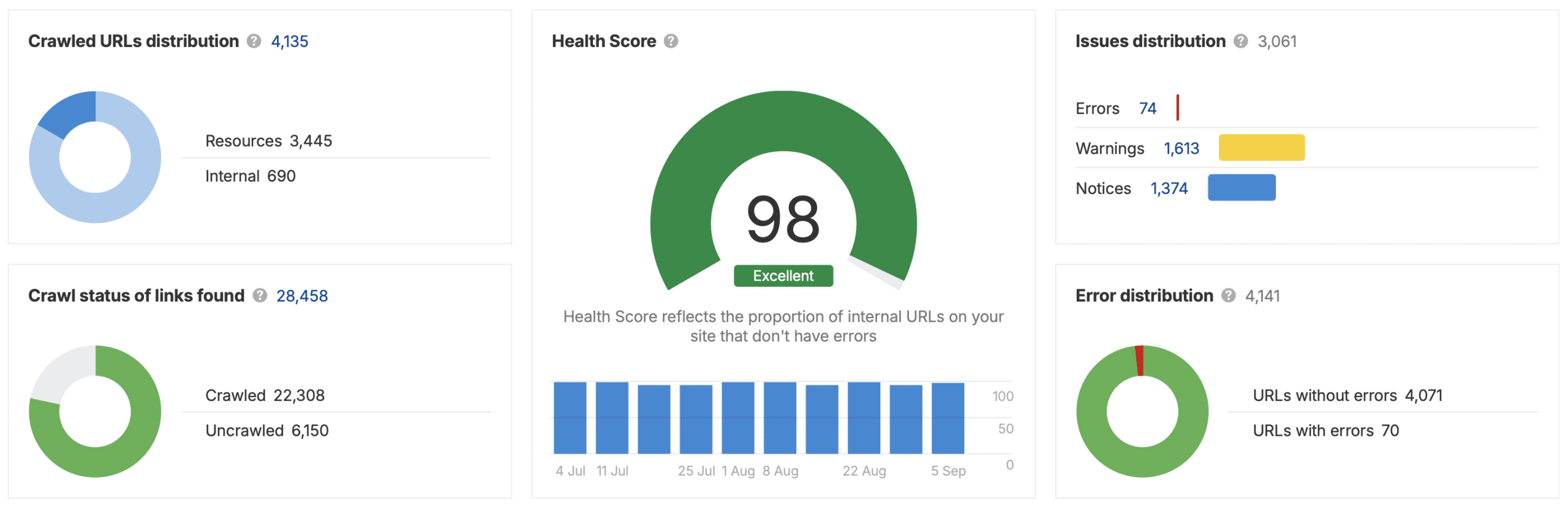
Crawl errors happen when Google’s bots can’t access or properly scan your website pages. This might occur if a page doesn’t load, no longer exists, or your server has problems (hurting your visibility in search.)

How to fix it:

  • Use Google Search Console to spot crawl errors like “not found” (404) or server issues (5xx).
  • Fix broken links by updating or removing ones that lead to missing pages.
  • Use 301 redirects if a page has permanently moved.
  • Talk to your developer or hosting company to fix server or access problems.
  • Review your robots.txt file to make sure it’s not blocking important pages by mistake.
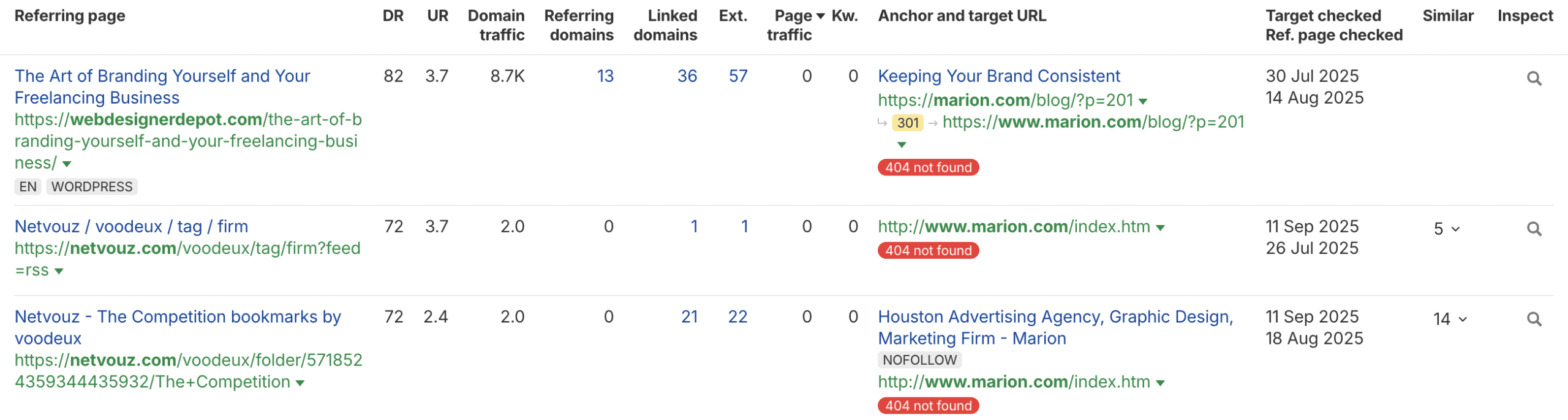
ahref site audit example of technical seo issues

2. Indexing Problems

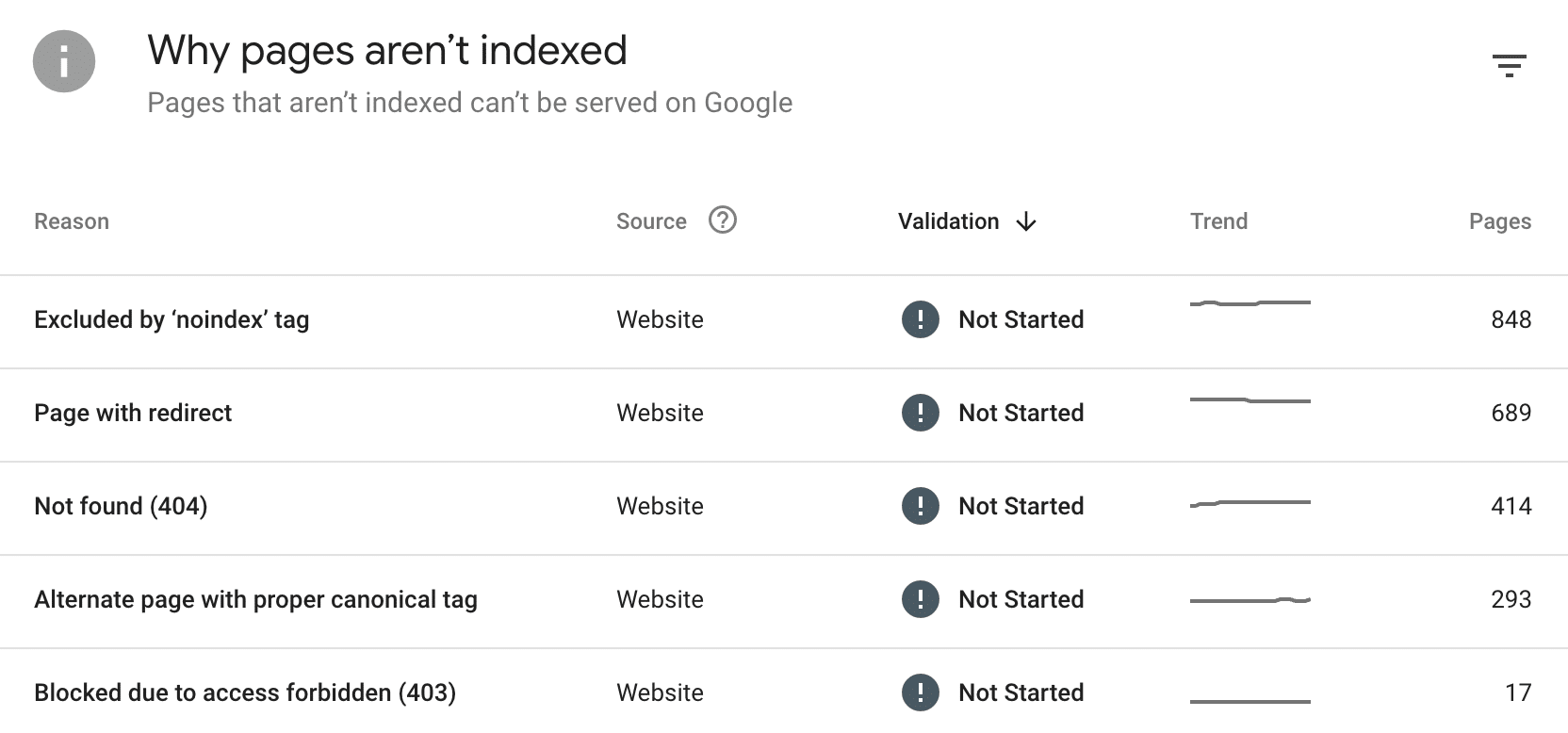
Sometimes your site works fine, but Google still doesn’t show it in search results. This usually means the site is telling Google not to index certain pages.

How to fix it:

  • Meta Tags: Look for “noindex” tags in your site’s code. Pages you want in search results should be set to “index, follow.”
  • Robots.txt File: This file tells search engines which pages to skip. Make sure it’s not blocking important content.
  • Sitemap Submission: Submit your sitemap in Google Search Console so Google knows which pages to include.

Reviewing these areas helps make sure your site appears when people search for your services, and avoids unnecessary technical SEO errors.

technical seo issues - indexing

3. Slow Page Speed

Every second your site takes to load increases the chance someone will leave. A slow site can frustrate visitors and drop your rankings in Google.

Google tracks how fast your pages load. If your site is too slow, even well-written content may not help much.

Common causes of slow speeds:

  • Large image files
  • Too many plugins (especially in WordPress)
  • Old or messy code
  • Low-quality hosting
  • No caching or file compression

How to fix it:

  • Test your site speed: Use Google PageSpeed Insights or GTmetrix.
  • Resize and compress images: Use free tools like TinyPNG. Also check that each image has an alt tag describing the image and using keywords where appropriate.
  • Remove unused plugins: Extra features can slow you down.
  • Use caching: This helps returning visitors load your site faster.
  • Try a CDN: A Content Delivery Network loads your site from the closest location to your visitor, speeding things up.

4. Mobile Usability Issues

More than half of all web traffic comes from smartphones. If your site doesn’t work well on small screens, visitors may leave, and Google takes note.

How to fix it: Use Google’s Mobile-Friendly Test. It points out problems like small text or hard-to-tap buttons. A developer can usually fix these with responsive design.

5. Duplicate Content

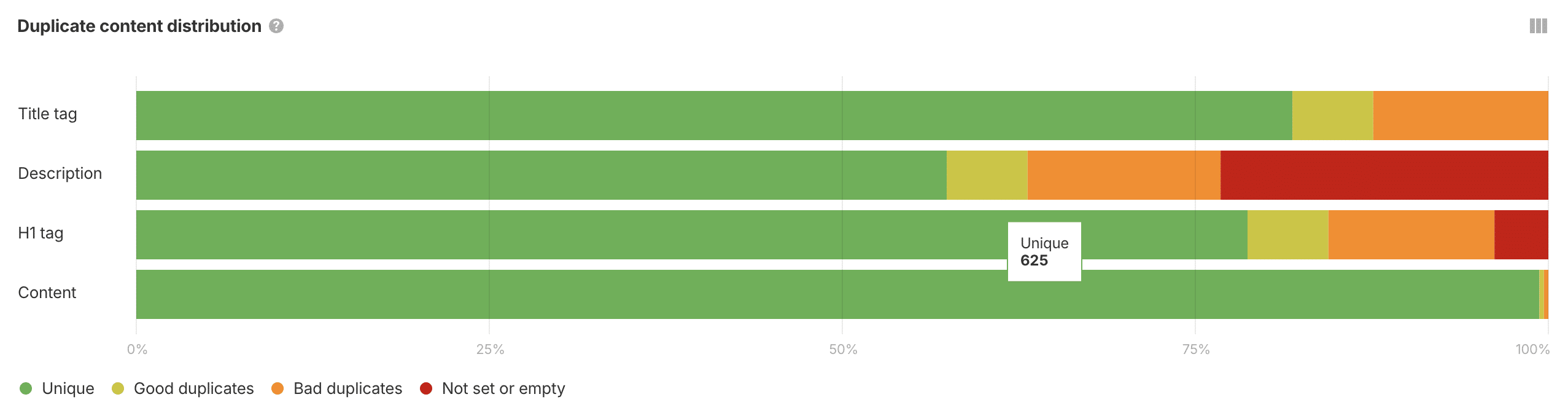
Duplicate content means two or more pages on your site say the same thing. Search engines don’t know which one to show, so they may show neither.

This can happen if you:

  • Copy content across multiple pages
  • Use similar product or service descriptions
  • Tag blog posts in multiple categories

Why it matters:

  • Search engines may see your site as lower quality
  • You miss the chance to have one page rank clearly

How to fix it:

  • Combine similar content into one stronger page
  • Use canonical tags to tell Google which version is the main one
  • Avoid copy/pasting large chunks of the same text across pages
  • Redirect older pages if needed

Tools like Siteliner or SEMrush can help identify where duplicates appear. Cleaning up duplicate content removes confusion for both users and search engines, reducing technical SEO issues down the road.

Technical SEO Issues - duplicate content

AI-powered content rewriting tools can even help you refresh duplicate content without losing your core message. However, be careful with AI-written content…if it’s low quality, lacks originality, or sounds overly generic, it can trigger ranking penalties. Google prioritizes helpful, expert-driven content, and content needs human editing to meet that standard.

Not working to fool or beat Google’s algorithm is a point that we discuss early and often with our prospects and clients.  It’s incredibly important for you to understand that, at the end of the day, Google only cares about one website… Google.

Google’s business is built around providing people who are searching for things with the best results for their searches.  There’s a reason we say, “I’ll Google it” and not “I’ll Yahoo it” or “I’ll Bing it.”  Google won that battle a long time ago, and they did it by returning better search results.

Over the years there have been countless ways to “beat the system.”  There have been ways to cut corners and get higher rankings quicker, and sometimes they worked, at least for a little while.

One thing always holds true, these ways of gaining an advantage always stop working.  Google will find a way to block or even penalize the loophole that you have found, so just don’t do it.

People expend so much energy and capital chasing down SEO ghosts and myths and never see the kind of results that they want.  Imagine if they just spent the same energy and capital building, maintaining, and growing a high-quality website.

If you cut corners you may see gains in the short term, but not the long term.  And when it comes to SEO, the most successful websites are the ones that play the long game, not the short.

Internal links help users and search engines move around your website. When they lead to pages that no longer exist, they create frustration and send bad signals to Google.

Picture a visitor clicking on a link that says “Read more about our services,” only to hit an error page. It’s confusing and makes your site feel less reliable.

Broken links often show up after redesigns or when old pages are removed. Over time, they add up.

How to fix it:

  • Use a tool like Screaming Frog or an SEO plugin to scan for broken links
  • Fix or remove broken links when you find them
  • Check links regularly, especially after big website changes

Cleaning up broken links helps people stay on your site and makes it easier for Google to understand your content. This is one of the easier technical SEO problems to address, and worth keeping on your regular maintenance checklist.

Technical SEO Issues - broken backlinks

7. Poor Site Architecture

A confusing layout can make it hard for visitors (and search engines) to find your content.

How to fix it:

  • Organize your content: Group pages into clear categories like Services or Contact
  • Use simple menus: Make it easy for users to get where they need to go
  • Keep navigation shallow: Most pages should be reachable within 2–3 clicks
  • Use clear URLs: Page addresses should describe what’s on the page

8. Redirect Chains and Loops

Redirects help move users from one page to another. But if you stack them (Page A goes to Page B, which goes to Page C), things slow down. Worse, if a redirect points back to itself, it can create a loop.

How to fix it: Point each redirect to the final page directly. Avoid using multiple hops or creating circles.

Fixing redirect chains is one of those small technical SEO issues that can make your site more efficient and search-friendly.

9. Missing or Incorrect Structured Data

Structured data helps Google understand what’s on your pages. It’s extra code that adds context—like showing product prices, event times, or star ratings in search results.

It helps your site stand out and can lead to more clicks.

How to fix it:

  • Use schema.org markup or JSON-LD code to describe what’s on your pages
  • If you use WordPress, SEO plugins like Yoast can help
  • Test your code with Google’s Rich Results Test to make sure it’s working

Some tools now use AI to suggest relevant structured data based on your page content, helping you tag info like FAQs, reviews, or event dates.

10. Not Having Unique Title Tags and Meta Descriptions

Every page on your website should have a unique title and description.  These are two important pieces of information that search engines use.  The title of a page is an important factor in how search engines determine what a page is about and the description is displayed in search engine results below the page title.

These two items are also nicely aligned with the theme of building a strong website.  These two items are used in everything from how the page is displayed on your browser tab, to what is displayed when you share a link on social media.

Make a point to include both the subject of the page and your company name on the title of each page.  Most websites use a format similar to “Page Subject – Company Name.”

If you need help identifying weaknesses within your site, do an SEO evaluation of your website first.

11. Security and HTTPS Issues

Google favors websites that protect visitors with HTTPS. If your site doesn’t have a secure connection, you could be losing trust and ranking power.

How to fix it:

  • Get an SSL certificate from your host or domain provider
  • Make sure every page loads with HTTPS
  • Fix any mixed content issues where secure and insecure elements load together
  • Redirect all HTTP versions to HTTPS

HTTPS is a small but important technical SEO factor. A secure site keeps users safe and helps build credibility.

Measuring and Fixing Technical SEO Issues

Technical SEO isn’t something you fix once and forget. Sites change, search engines update their rules, and small issues can pop up over time.

Use tools like:

  • Google Search Console – check crawl and index status
  • Screaming Frog – scan for broken links and errors
  • PageSpeed Insights – test site speed
  • Ahrefs or SEMrush – for deeper (paid) technical audits

The Take-Away for Avoiding These Common SEO Mistakes

If you’re just starting out with your SEO strategy or have recently launched a new website, fixing these common marketing mistakes could mean serious gains for your organic reach. SEO for new websites can provide significant short-term results.  If you have a solid foundation but haven’t yet seen the SEO results that you hoped for, experienced SEO companies in Houston like MARION can help.

Regardless of what stage you are in with your SEO, always remember that if you are imploring an SEO tactic that is counter to building a website that is engaging for its users, you are probably not working with an SEO strategy that will work on the long term.

Need Help Fixing These Issues?

You don’t need to become an SEO expert to see results. MARION can run a technical SEO audit and help you clean up the problems that are holding your site back.

We also offer full-service SEO, site maintenance and management, and content support so you can stay ahead in search results while focusing on your business.

Want to see how your site is performing? Request an SEO Health Check!

Marketing emails you’ll actually want to read.

Get marketing tips and news sent to 
your inbox.

This field is for validation purposes and should be left unchanged.
Name(Required)

B2B Social Media Marketing Strategy & Guide

In this day and age, B2B buyers are researching online before they ever speak to sales. They’re watching videos, checking out LinkedIn posts, and looking at what their peers are saying. In other words, social media is where your brand credibility begins!

What You’ll Learn in This Guide

Social Media Marketing in B2B

Social media plays a long game in B2B marketing. Not only does it make you visible online, but it also supports your lead gen efforts and shows your credibility. The more your content speaks to different buyers at different points in their decision process, the more helpful (and memorable) your brand becomes.

B2B vs. B2C Social Media: 2 Very Different Approaches

While B2C marketing often emphasizes emotion and impulse, B2B focuses on education and trust. B2B buying decisions involve multiple stakeholders, long timelines, and higher price tags. Your content needs to inform, reassure, and demonstrate long-term value.

Did You Know?
Ultimate Lead Magnet Checklist - CTA banner

Building a B2B Social Media Marketing Strategy

If your company hasn’t been active on social media, getting started can feel unfamiliar. That’s normal. Many B2B organizations rely on word-of-mouth or traditional tactics and view social platforms as optional. But in today’s buying environment, where research starts online, having no presence can hurt credibility.

Here are the steps to help your team get started:

1. Set Clear Objectives

Social media marketing business goals typically fall into four main categories. It’s important to have clarity on which one you’re prioritizing, so you can better shape your content and measure your progress.

  • Lead Generation: Drive MQLs through LinkedIn forms, gated content, and demo requests.
  • Brand Awareness: Stay top-of-mind through regular posting and thought leadership.
  • Thought Leadership: Position your executives and team members as go-to resources.
  • Client Retention: Use content to reaffirm value and build ongoing trust.

2. Know Your Audience

Before posting anything, it’s worth figuring out who you’re talking to. In B2B, some folks influence the decision, others sign the contract. Each one looks for different info.

Building out a few buyer personas helps here. What do they care about? What kind of problems are they dealing with? What would actually help them do their job better?

Think about where they spend time, too. LinkedIn might be a given, but some will also check out product videos on YouTube or scan X for updates.

3. Choose the Right Platforms

  • Do you regularly publish case studies, white papers, or thought leadership? LinkedIn is your go-to platform for reaching professionals and decision-makers.
  • Want to share quick updates or join industry conversations in real time? X (Twitter) works well for timely commentary and event-based interaction.
  • Need to showcase product functionality or explain complex topics? YouTube is ideal for in-depth demos, interviews, and how-to content.
  • Looking to show the people behind your brand or highlight culture? Consider TikTok, Instagram, or Facebook to humanize your company (when appropriate for your audience.)

4. Content Strategy

Once you’ve chosen the right platforms, the next step is figuring out what to post. Your content should reflect your audience’s priorities, your business goals, and the tone that fits your brand.

Format Mix

  • Blog shares
  • Infographics
  • Short-form and long-form videos
  • Client testimonials
  • Case studies

User-Generated Content

Encourage your team and happy clients to post their own experiences with your brand. It builds credibility and broadens your reach.

Seasonal Content

Holidays and seasonal themes are a great way to show some personality without straying from your brand. “12 Days of Industry Tips” or “New Year, New Goals” campaigns are great examples of staying active and relevant.

5. Consistency and Scheduling

Consistency is key! Use a content calendar to organize your weekly and monthly topics. For example, aim to post 3-5 times per week on LinkedIn, and adjust frequency based on platform.

It’s also important to mix evergreen content (like how-to guides and FAQs) with timely, industry-relevant posts that reflect what’s happening now.

6. Engagement & Community Building

This side of social media management is more common in B2C, but that doesn’t mean it’s irrelevant in B2B. Engaging with your audience (publicly or in smaller groups) can create space for future business conversations.

  • Respond quickly to comments and DMs
  • Build and manage LinkedIn Groups
  • Use niche hashtags to get in front of the right audience

Read now: How to Grow Your Network on LinkedIn

7. Paid Social Advertising

Paid social isn’t limited to LinkedIn. While it’s often the top choice for targeting professionals, other platforms can also deliver results depending on your goals and audience.

  • LinkedIn Ads: Target by industry, job title, company size, and more.
  • Facebook Ads: Great for brand awareness, retargeting, and promoting case studies or events to broader business audiences.
  • YouTube: Strong option for video explainers, testimonials, and long-form educational content that supports the buyer journey.

When starting out, approach budget planning with a test-and-learn mindset. Invest modestly, analyze results, and scale what proves effective.

It’s also a good idea to use retargeting campaigns, allowing you to re-engage users who’ve interacted with your website or other content.

8. How to Measure Campaign Success

KPIs to Track

  • Impressions
  • Engagement rate
  • Leads generated
  • Conversion rate

Tools

  • Native analytics (LinkedIn, Meta)
  • Third-party reporting tools (HubSpot, Hootsuite, Google Analytics)

Adjusting Your Strategy

Let performance data guide tweaks in content, timing, and platform focus.

Even if you plan to manage your organic social content in-house, a marketing agency can be a valuable partner for running paid campaigns, setting up tracking, and interpreting results. This collaboration gives you added support without giving up control.

social media funnel

Work with the B2B Social Media Strategists at MARION

When’s the right time to optimize your B2B social media marketing? The answer is now! And we can help. MARION helps Texas-based businesses create practical, effective strategies that support your entire marketing strategy.

To supplement your social media efforts, we also offer these B2B digital marketing services:

Contact MARION today to start building a custom social media strategy for your business.

Marketing emails you’ll actually want to read.

Get marketing tips and news sent to 
your inbox.

This field is for validation purposes and should be left unchanged.
Name(Required)

Holiday Marketing Strategies and Festive Campaign Ideas

As the holidays approach, consumer brands often start preparing their campaigns months in advance. For companies selling to other businesses, it’s equally important to have a strategy ready. But when is the right time to get started? The timing depends on your industry, but beginning early helps you avoid getting lost in the end-of-year rush.

Here’s how to approach your holiday season marketing timeline this year.

Why Start Early?

Unlike consumer marketing, where customers make quick purchasing decisions, business-to-business cycles are typically longer. Decisions involve multiple stakeholders, budgets, and approvals. By the time the festive season arrives, many prospects have already allocated their spending for the next year.

Starting early (ideally in September or October) gives your campaigns room to gain traction. This is when organizations are finalizing budgets, making it the perfect moment to position your product or service as a priority.

Holiday Marketing Tips

Here are a few holiday marketing strategies to help you plan ahead and get results this season.

1. Seasonal Messaging Early

Begin weaving subtle festive marketing touches well before the rush. By mid-October, you can roll out campaigns that nod to the holidays without overwhelming your audience.

A “Q4 Wrap-Up” or “Get Ready for 2026” message sets the tone and keeps your brand relevant as the year winds down. This early approach also provides a great opportunity to build and segment your email marketing list, so you’re reaching the right decision-makers with messages that resonate during the year-end hustle.

2. Budget Deadlines and Planning

Many companies are working on their budgets for the upcoming fiscal year during this season. Use this to your advantage by offering year-end deals, long-term contracts, or promotions that can be secured before funds reset.

3. Client Appreciation

The festive campaign period is an ideal time to pause hard sales and focus on relationships. Send personalized notes, share greetings, or recap highlights of your year together. These gestures demonstrate gratitude and reinforce loyalty without a heavy sales pitch.

4. Gift and Experience Marketing

Supplementing your digital content strategy with real life gifting can help nurture connections. It doesn’t have to be big or expensive. A small branded item, a thoughtful experience, or a curated package can create positive touchpoints that carry goodwill into the new year.

Here are a few simple gift ideas for clients:

  • Small desk plants or succulents
  • Branded notebooks or planners
  • Gourmet coffee or tea sets
  • Personalized thank‑you cards with a handwritten note
Digital Holiday Marketing Strategy

Holiday Email Marketing

Email remains one of the most effective channels for holiday marketing campaigns. A thoughtful plan helps your messages stand out in crowded inboxes.

  • Personalized Subject Lines: Use holiday phrases for marketing such as “Season’s Savings for You” or “Cheers to a Successful Year Ahead.”
  • Themed Content: Share holiday email marketing examples like festive templates, animated GIFs, or interactive CTAs that feel engaging.
  • Client Appreciation Emails: Send warm recaps of the year, thank-you notes, or offer exclusive access to early-bird deals.
  • Holiday Marketing Slogans: Integrate short, catchy lines like “Celebrate Success Together” or “Your Partner in Growth This Season.”
  • Segmentation: Adapt emails for different stakeholders to improve response rates and relevance.

Holiday email marketing can also spotlight successful holiday marketing campaigns from previous years, reinforcing credibility and trust.

Industry-Specific Festive Season Marketing Ideas

Here’s a table with examples of how different industries can adapt festive season marketing, holiday marketing slogans, and campaign concepts:

IndustryCampaign ExampleHoliday Marketing Slogans / Phrases
TechnologyYear-end product bundle with free onboarding support• “Innovate Into the New Year”
• “Tech Solutions for a Bright Tomorrow”
• “Holiday Savings for Smarter Business”
HealthcareClient appreciation emails with wellness tips for the holidays• “Healthy Holidays, Stronger Partnerships”
• “Caring for You This Season”
• “Wellness and Warm Wishes”
FinanceHoliday ads offering free consultations before fiscal year-end• “Plan Today, Prosper Tomorrow”
• “Secure Your Future This Season”
• “Financial Peace of Mind for the New Year”
ManufacturingFestive campaign showcasing sustainable practices and year-in-review highlights• “Building Success Together This Season”
• “Strong Foundations, Bright Future”
• “Crafting Quality for the Holidays”
Professional ServicesHoliday email marketing examples with recap of client wins• “Celebrating Growth With You”
• “Partnerships That Shine Bright”
• “Together Toward New Horizons”
ConstructionHoliday ads highlighting safety, durability, and community projects• “Building Holiday Cheer, Brick by Brick”
• “Strong Structures, Strong Partnerships”
• “Constructing a Bright New Year”
EnergyFestive campaign focusing on sustainability and reliable service• “Powering Your Holidays with Care”
• “Energy for a Brighter Tomorrow”
• “Fueling Partnerships Into the New Year”
Learn how to use AI for Small Business to spark holiday content ideas

Dates for Your Holiday Marketing Calendar

Creating a holiday marketing calendar helps you stay organized during the festive season marketing push. Here are some dates to consider:

  • Mid-October ➜ Begin soft festive messaging and brand storytelling.
  • Early November ➜ Launch core holiday ads and start promotions.
  • Thanksgiving Week ➜ Release gratitude campaigns and festive offers.
  • December 1-15 ➜ Roll out heavier holiday campaigns before inboxes overflow.
  • Late December ➜ Focus on client appreciation and wrap-up messages.
  • Early January ➜ Launch “new year, new goals” content to carry momentum forward.

Timing is Everything

Launching early allows you to balance ongoing campaigns with seasonal promotions. If you’re running special offers, aim to have everything finalized by early November so prospects have time to evaluate and act.

Waiting until December often means missing opportunities, as many buyers have already locked in their plans. Early action keeps your brand visible without competing with the noise later in the season.

Read Now: 12 Days of Christmas Marketing Ideas

Need Help with Your Festive Marketing?

If you haven’t started planning your holiday ads yet, now is the time.

Let MARION help you shape a winning holiday marketing strategy. Get in touch with us today!

Marketing emails you’ll actually want to read.

Get marketing tips and news sent to 
your inbox.
This field is for validation purposes and should be left unchanged.
Name(Required)

How to Rank in ChatGPT Search, AI Overviews, and More

Everyone probably knows by now that AI is transforming search marketing. Tools like ChatGPT and Google’s AI Overviews now deliver direct answers, often without sending users to traditional websites. This shift means your business needs a new kind of visibility strategy: one built for AI-driven discovery.

What AI Prioritizes in Content

AI-powered tools are now generating answers. These tools pull from a wide range of sources to respond to user questions instantly. So, if your content isn’t structured and authoritative, it might get overlooked entirely.

To be chosen as a source, your content needs to be worthy. These AI tools tend to look for:

  • Well-structured content that’s easy to scan
  • Accurate, up-to-date information
  • Authoritative voices backed by experience or credentials
  • Signals of trust (like cited sources and good site reputation)

In short, the same principles that help content rank on Google (especially E-E-A-T / Experience, Expertise, Authoritativeness, and Trustworthiness) are even more important for AI.

So many businesses are now asking how to rank in AI Overviews and stay competitive. Let’s discuss below.

You don’t need to reinvent your entire SEO strategy to show up in AI search tools. In fact, many of the fundamentals (clear writing, trustworthy content, and good site structure) still apply. But there are a few newer tactics that may improve your chances of being pulled into AI-generated answers. While not guaranteed, these patterns have started to emerge and are worth considering.

Read more: SEO vs. GEO

1. Use a Q&A Format or Question Headings

You’ve probably found yourself asking ChatGPT or Google a question like you’re talking to a person. Instead of searching something like “best productivity software,” we now ask “What’s the best productivity software for small businesses?” or “How does [tool] work?” This conversational style is how AI tools are trained to respond, thus how your content should be structured to match.

Include headings like “What is…” or “How does…” to mirror typical chatbot queries. Consider adding FAQ sections to your content with even more helpful info. 

2. Start with the Answer First

AI prefers concise answers. Begin each section with a direct, clear response to the question, followed by supporting details. This structure helps AI quickly identify useful information.

Gone are the days of having to scroll through a novel just to get to your lasagna recipe. AI tools are built to surface the answer right away…because that’s what users want. So give them (and the AI) what they’re looking for upfront.

3. Break Up Content for Readability

Well-organized content with short paragraphs, headings, and bullet points is easier for both users and AI to process. Clear formatting improves your content’s chances of being selected. 

4. Use Structured Data Markup

Implement FAQ and How-To schema to give search engines additional context. This helps tools like Google better understand your content and increases the likelihood of being featured in AI-generated snippets. It makes your content more helpful to real users too.

Who knows, this might be one of the best ways to improve your chances of ranking in AI Overviews.

5. Build Long-Term Authority

AI tools tend to cite content from sources they trust. That’s why long-term authority matters. Strengthen your credibility by:

  • Including bios for authors and contributors
  • Publishing case studies and original insights
  • Earning links from relevant and reputable sites
  • Keeping your content up to date

These aren’t new SEO tactics, but they’re now important than ever for ranking in AI-driven results.

Read more: AI Tools for Small Businesses

geo chatgpt new search

If you’re aiming to show up in AI-driven results, it’s helpful to know which platforms are out there. Here are a few major AI-powered search tools your business should be aware of:

  • ChatGPT (OpenAI) – Used for general information, summaries, and conversational answers. Plugins and browsing tools can expand its reach. Like we mentioned earlier, businesses are learning how to rank in ChatGPT search by optimizing for conversational queries.
  • Google AI Overviews (SGE) – Provides AI-generated answers at the top of many Google search results.
  • Copilot (Bing AI) – Integrates GPT technology directly into Bing search with interactive, chat-style responses.
  • Perplexity.ai – A newer tool that blends search and AI responses, with cited sources.
  • Gemini (Google) – Google’s standalone AI assistant and search experience, designed to work alongside traditional search and deliver conversational results.

Each of these tools pulls from trusted, public web content. So the more helpful, well-structured, and authoritative your content is, the better chance it has of being referenced.

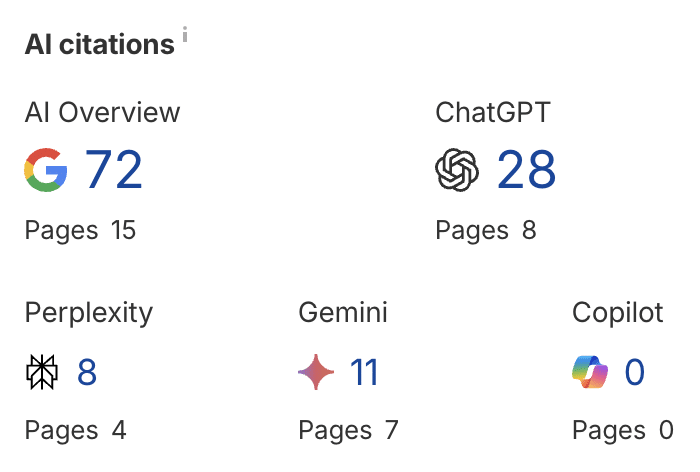
AI Citations Breakdown: This snapshot from Ahrefs’ new AI Overview report shows how often a site’s content appears across major AI search platforms like ChatGPT, Google’s AI Overviews, Perplexity, Gemini, and Bing’s Copilot.

Think Beyond Google

Google is still the biggest player in search, but other engines like ChatGPT are on the rise. That means it’s important to regularly test how your brand appears in these platforms.

Search for your business in ChatGPT. Ask it a question you want to rank for. If your company isn’t mentioned, it’s a sign your content might need to be more visible, trustworthy, or relevant. This is a strong signal that your strategy needs to account for how to rank in ChatGPT search.

Read more: How to Generate Leads Using ChatGPT

Ready for AI Search? So is MARION.

We’ll be honest, AI search is still new territory for everyone…including us. The tools, behaviors, algorithms, etc. are changing fast, and we’re learning more every day. But we’re tackling this new era of search with confidence, and we want you to feel confident working with us, too.

At MARION, our digital marketing team combines proven SEO foundations with fresh, AI-focused tactics to make sure your content gets found.

Want to evolve your generative AI and SEO strategy? Contact MARION today and let’s tackle it together.

Marketing emails you’ll actually want to read.

Get marketing tips and news sent to 
your inbox.
This field is for validation purposes and should be left unchanged.
Name(Required)

Back-to-School Marketing Lessons for B2B Brands

As summer winds down and the back-to-school season approaches, it’s a key time for businesses to sharpen their marketing strategies. While this time of year is traditionally focused on students and educators, B2B companies can also use this back-to-school energy to reconnect with clients, refresh their branding, and set the stage for a successful end to the year.

Bouncing Back from the Summer Slump

Over the summer, many businesses experience a slowdown in activity, commonly referred to as the “summer slump.” This period can be challenging, with reduced customer engagement and sales. However, the back-to-school season offers the perfect opportunity to regain momentum. It’s a time when consumers and businesses alike are ready to refocus, making it crucial for companies to ramp up their marketing efforts and set the stage for a successful end to the year.

Here’s how to get back on track:

1. Revisit Your Marketing Strategy

Just like students need a refresher on what they learned last year, it’s a great time for brands to review and tweak their marketing strategies. What’s been working? What needs a little extra study time? Use this back-to-school energy to fine-tune your campaigns, update your messaging, and set new marketing goals for the rest of the year.

2. Supply Your Customers with What They Need

Back-to-school shopping is all about stocking up on essentials. For businesses, this is a reminder to ensure that your clients have everything they need to succeed. Whether it’s updated content, fresh marketing materials, or a new product launch, think about how you can be the supplier of the tools that will make your business run smoothly.

3. Collaborate for Mutual Success

Back-to-school often means group projects, and in the B2B marketing world, partnerships can be just as valuable. Consider collaborating with other businesses to create joint campaigns or share audiences. Whether it’s co-hosting a webinar or cross-promoting on social media, partnerships can help you reach new customers and grow your business.

4. Engage on Social Media

Remember how extracurriculars were the fun part of school? Well, social media is the fun part of marketing! Use this time to engage with your audience in a more playful way. Share back-to-school-themed content, run a contest, or just show some behind-the-scenes action of your team gearing up for the busy season ahead.

5. Thought Leadership

Back-to-school season is synonymous with learning, and this is your chance to be an A+ student in your industry. Share your expertise through blogs, webinars, or whitepapers that educate your clients on industry trends, best practices, or innovative solutions. Position yourself as the go-to resource for valuable insights and help your clients stay ahead of the curve.

6. Report Card Time: Measure Your Success

Just as students get report cards to track their progress, your marketing efforts deserve a good assessment, too. Analyze the performance of your integrated marketing campaigns, look at what’s driving leads, and be ready to pivot if needed. Use these insights to ensure you’re on track for a successful year-end.

Back-to-School Marketing Lessons for B2B

Ready to Go Back to School with Your Marketing?

Taking advantage of the back-to-school season can set your business on the right path for the rest of the year. By refining your messaging, reconnecting with clients, and aligning your strategies with the renewed focus that comes with this time of year, you can position your business for sustained success. If you’re ready to sharpen your approach and make the most of this season, MARION, a leading digital marketing agency, is here to help.

Let’s talk!

Marketing emails you’ll actually want to read.

Get marketing tips and news sent to 
your inbox.
This field is for validation purposes and should be left unchanged.
Name(Required)

Marketing vs. Advertising: Which One Should You Focus on First?

For many small business owners, the terms “marketing” and “advertising” get tossed around like they’re the same thing. But understanding the difference (and the order in which to tackle them) can mean the difference between wasted spend and long-term growth.

So, which one comes first: marketing or advertising?

If you’re running on a lean budget and need real traction, the answer is clear.

What’s the Difference Between Marketing and Advertising?

Marketing is the broader strategy. It’s the full system you use to attract, educate, and convert customers. That includes your branding, website, SEO, content, email, reputation, and more.

Advertising, on the other hand, is just one part of the marketing mix. It’s the act of paying to promote your business, whether through Google Ads, social media, radio, or print.

Think of marketing as the engine. Advertising is the gas. If your engine isn’t tuned, pouring gas into it won’t get you very far.

Curious about how branding fits into the bigger picture? Read this post on the difference between branding and marketing for a closer look.

When Small Businesses Choose Advertising First

It’s easy to see why local businesses often jump to advertising. You need leads. You want calls. A Google Ads campaign can go live in 48 hours.

But when your ad clicks lead to an outdated website, confusing brand, or no clear call to action…those clicks rarely turn into customers.

This is where marketing needs to come in first.

What Happens When You Build the Foundation First

If your website loads fast, speaks to the right audience, and clearly shows why you’re the better choice, your advertising dollars start to work harder.

You start converting traffic into booked appointments.

You start building a pipeline that doesn’t rely entirely on pay-per-click ads.

This doesn’t mean you need a giant marketing department. But you do need the basics in place:

  • A brand that looks professional and trustworthy
  • A website that’s mobile-friendly and conversion-ready
  • Local SEO that helps you get found without paying for every click
  • Google reviews and reputation signals that build trust fast

Once these are in place, then you pour gas on the fire. This is how you make the most of advertising vs marketing resources.

How to run an online campaign - CTA banner

What Advertising Can (and Can’t) Do on Its Own

Paid ads can:

  • Get you in front of potential customers fast
  • Drive traffic to a landing page or offer
  • Create awareness of seasonal promotions or new services

But ads can’t:

  • Fix a weak brand or unclear messaging
  • Turn a confusing website into a conversion tool
  • Build long-term trust and organic visibility

That’s why advertising without a marketing strategy often leads to high cost per lead and poor close rates.

How to Decide What to Prioritize Right Now

If you’re trying to figure out where to invest first, ask yourself:

  • Are people finding me online without paid ads?
  • Does my website look and work the way I’d expect from a business I trust?
  • Are my reviews, branding, and messaging aligned?
  • Do I have any way to follow up with leads after they visit?

If most of these answers are “no,” marketing is the smarter first step.

Once you’re ready to scale, advertising can amplify what you’ve already built. That’s the most efficient approach when comparing digital marketing vs advertising.

Get a Smarter Plan with MARION

You don’t have to choose between marketing and advertising. But you do need to know where to start.

MARION helps small and midsize businesses build solid internet marketing foundations, then use paid advertising to accelerate growth.

Schedule a free consultation with our team to learn how we can help you stop guessing, start building, and finally make your marketing dollars count.

Marketing emails you’ll actually want to read.

Get marketing tips and news sent to 
your inbox.
This field is for validation purposes and should be left unchanged.
Name(Required)

What is Direct Marketing? Definition, Benefits, and When to Use It

Today, business owners and marketers are surrounded by buzzwords. “Brand marketing.” “Performance marketing.” “Integrated campaigns.” But in the middle of it all, there’s one strategy that continues to bring in real, measurable results: direct marketing.

So, what is direct marketing?

At its core, direct marketing is about reaching the right audience with a message that gets a response. That response could be anything from filling out a contact form to booking a consultation or making a purchase. Unlike broader branding efforts, direct marketing speaks one-on-one to potential customers with a clear call to action (and often, a clear return on investment.)

Why Direct Marketing is Different

Many marketing strategies aim to “build awareness.” Direct marketing goes a step further…it asks for action.

Think of it like this:

  • You don’t hang a billboard and hope someone remembers your name.
  • You send a targeted email to someone actively researching what you offer.
  • You follow up with a paid ad after they’ve visited your website.

Direct marketing is more precise. And in many cases more effective, especially for businesses looking to grow with limited resources.

What Makes it Work

Direct marketing cuts through noise by being personal and actionable. It works because:

  • You’re speaking to a specific audience segment
  • You’re offering something relevant
  • You’re measuring every interaction

You’re not just throwing out content and hoping something sticks. Every email, ad, or message is part of a plan. That kind of control is hard to come by in modern marketing.

Where it Fits in Your Strategy

Not every marketing channel needs to be direct. But if you’re looking for results you can track (like form submissions, phone calls, downloads, or purchases) direct marketing needs a seat at the table.

You’ll see the biggest impact when:

  • You’re launching a new service and want immediate traction
  • You’ve got a defined audience and a strong value proposition
  • Your sales team needs more qualified leads
  • You’re running a campaign with time-sensitive goals

It’s especially useful when paired with SEO and content marketing. You draw in leads through search and nurture them with direct outreach.

B2B Marketing Strategists

There’s no one-size-fits-all approach, but some channels tend to outperform in direct response:

Email Marketing: Still one of the most cost-effective ways to drive repeat traffic and conversions (when done right.) Segmented lists, tailored content, and clear next steps are what separate a good email from noise.

Pay-Per-Click Advertising: Google Ads, LinkedIn Ads, Facebook lead ads…they all fall into this category. You’re targeting specific people with specific offers. And you can see exactly what works.

SMS Campaigns: Ideal for appointment reminders, flash sales, or service updates. When people opt in, these messages get read. Fast.

Direct Mail: Yes, it’s still alive. For local businesses, a well-timed postcard or letter can drive serious results, especially when combined with digital follow-up.

LinkedIn Outreach: For B2B companies, a strategic LinkedIn connection request followed by personalized messages can open doors in a way cold emails rarely do.

Direct Doesn’t Mean Pushy

A common misconception is that direct marketing is intrusive. But when it’s done correctly, it’s helpful. It gives people what they’re already looking for, just at the right moment.

Nobody complains about an email with a helpful guide they asked for. Or a text reminding them about an offer they wanted. That’s what effective direct marketing feels like.

See How MARION Does Direct Marketing

If your marketing efforts are feeling vague or difficult to measure, direct marketing may be what you’re missing.

It’s practical. It’s focused. It delivers leads you can follow up on.

Want help building a digital marketing plan for your business? Schedule a free consultation with the MARION team today and learn more about our outsourced marketing services!

Marketing emails you’ll actually want to read.

Get marketing tips and news sent to 
your inbox.

This field is for validation purposes and should be left unchanged.
Name(Required)