Category: Brand Development

Why Inclusive Marketing Matters

Ready to embrace diversity and representation in your campaigns to make a positive impact? Here’s everything you need to know about inclusive marketing and how it can really help your brand.

Why Inclusive Marketing is a Smart Move

Research shows that diverse and inclusive marketing campaigns lead to higher sales and stronger brand loyalty. People want to see themselves in the brands they support. And when they do, they’re more likely to engage and buy. So, by embracing inclusive marketing, you can reach new audiences and strengthen bonds with your current customers.

It shows real-world diversity.

Our world is a colorful mix of races, genders, sexual orientations, abilities, and backgrounds. Inclusive marketing aims to mirror this diversity in a genuine way. This means going beyond token gestures and truly representing the communities you want to connect with. It’s about understanding and valuing the unique experiences of different groups.

It builds genuine connections.

When brands focus on inclusive marketing, they build real connections with their audience. This authenticity is crucial for earning trust and loyalty. People can tell when a brand is genuinely committed to inclusion versus when it’s just for show — by making representation a priority, you show that you value and respect everyone, creating a sense of belonging and loyalty.

How to Get Started with Inclusive Marketing

Inclusive marketing can make a big difference in how your brand is perceived and how you connect with diverse audiences. Here’s a closer look at how you can begin this journey:

1. Know Your Audience

Understanding your audience is the cornerstone of any successful marketing strategy, and it’s especially important for inclusive marketing. This involves:

  • Conducting Comprehensive Research: Use tools like surveys, focus groups, and social media KPIs to gather detailed demographic information about your audience, including age, gender, ethnicity, cultural background, and socioeconomic status.
  • Analyzing Preferences and Behaviors: Go beyond demographics to understand your audience’s preferences, buying behaviors, and values. This insight helps tailor your messages to resonate on a deeper level.
  • Building Detailed Personas: Create detailed customer personas that reflect the diversity within your target market. These personas should guide your marketing strategies and content creation efforts.

2. Diversify Your Team

Having a diverse team brings fresh perspectives and ideas, making campaigns more innovative and inclusive. To make this happen, focus on hiring people from various backgrounds, including different races, genders, ages, and abilities. Create an inclusive workplace where everyone feels valued and heard, encouraging open dialogue and sharing different viewpoints.

Also, offer training on cultural competency, unconscious bias, and inclusive marketing practices to ensure your team is well-equipped to contribute effectively.

Inclusive Marketing team

3. Create Inclusive Content

Your content should reflect the diversity of your audience and be accessible to everyone. Here’s how to do it:

  • Inclusive Language: Use language that is inclusive and free of stereotypes. Avoid jargon or phrases that might alienate or exclude certain groups.
  • Diverse Imagery: Choose images and graphics that represent a wide range of people, including different races, genders, body types, ages, and abilities. Authentic representation is key.
  • Relatable Stories: Tell stories that resonate with diverse audiences. Highlight experiences and perspectives that may not always be represented in mainstream media.

4. Listen and Improve

Inclusivity is an ongoing journey, and there’s always room for growth. Keep engaging with your audience through social media, surveys, and feedback tools to hear their thoughts and concerns. Make it easy for them to share their feedback, and use those insights to continuously improve your strategies. Staying open to learning and adapting is key to staying relevant and inclusive.

5. Partner with Diverse Influencers

Partnering with influencers who represent different communities can amplify your message and reach new audiences. Start by researching influencers who genuinely engage with the communities you want to connect with and ensure their values align with your brand. Build authentic relationships with them and collaborate on content that resonates with their followers. This approach not only broadens your reach but also shows your commitment to diversity and inclusivity.

Master Inclusive Marketing with MARION

Inclusive marketing isn’t a passing trend — it’s the future. Brands that embrace inclusivity will stand out and build lasting relationships with their audience. At our Texas marketing agency, we believe inclusive marketing can drive real connections and business success.

MARION works with Texas-based B2B businesses to create campaigns that reflect our communities’ rich diversity. Our team of marketing creatives and designers will help you navigate the complexities of inclusive marketing, ensuring your efforts are genuine, impactful, and true to your values.

Ready to make your marketing more inclusive? Contact MARION today.

Marketing emails you’ll actually want to read.

Get marketing tips and news sent to 
your inbox.

This field is for validation purposes and should be left unchanged.
Name(Required)

The 2024 Summer Olympics: Marketing Strategies That Inspire

With the 2024 Summer Olympics just around the corner, it’s time to delve into the history of Olympic advertising strategies and uncover the marketing magic behind this colossal event. Let’s explore how the Olympics have evolved into a masterclass in branding and what businesses can learn from these timeless strategies.

The Evolution of Olympic Advertising

The history of Olympic advertising showcases a remarkable journey from simple sponsorships to cutting-edge digital campaigns that captivate a global audience. Here’s how it started:

Early Beginnings: The First Modern Olympics

The inaugural modern Olympics in 1896 had little to no advertising. The focus was purely on the competition. As the Olympics grew in popularity, so did the marketing opportunities.

The Emergence of Sponsorships

The 1928 Summer Olympics in Amsterdam marked the beginning of corporate sponsorships, with Coca-Cola being one of the first major brands to partner with the Olympics. This collaboration set the stage for future advertising endeavors, demonstrating the potential for brands to reach a global audience.

The Television Era

The 1960 Rome Olympics were the first to be broadcast live on television, revolutionizing how people experienced the games. This new medium provided brands with unprecedented access to millions of viewers worldwide. The television era paved the way for iconic Olympic commercials and sponsorship deals.

The Digital Age

The 2000 Sydney Olympics introduced the world to the digital age of Olympic marketing. With the advent of the internet, brands could engage with audiences through online platforms, creating interactive campaigns and real-time updates.

The 2024 Summer Olympics: What’s New?

The Summer Olympics are not just a global sporting event; they are a marketing spectacle that captures the world’s attention.

  • Sustainability and Inclusivity – The 2024 Summer Olympics in Paris are set to emphasize sustainability and inclusivity. Brands aligning with these values can create campaigns that resonate with the audience’s growing concern for social and environmental issues.
  • Technological Innovations – Expect to see cutting-edge technology integrated into marketing campaigns, from augmented reality experiences to AI-driven personalized content. The 2024 Olympics will be a showcase of how technology can enhance audience engagement.
  • Localized Campaigns – With the rise of local content consumption, brands are tailoring their campaigns to specific regions, ensuring cultural relevance and deeper connections with local audiences.

2024 Summer Olympics Marketing

Key Marketing Strategies of the Olympics

You have to appreciate how the Olympics manage to get the whole world glued to their screens every couple of years. But what exactly is their marketing team doing to achieve this? Let’s take a look.

Leveraging Global Reach

The Olympics are watched by billions of people worldwide, making them a prime opportunity for brands to showcase their products on a global stage. Brands leverage this reach to create memorable campaigns that resonate with diverse audiences.

Storytelling and Emotion

Olympic advertising often focuses on storytelling, highlighting the journeys of athletes and the spirit of competition. This emotional appeal fosters a connection between the audience and the brand, creating lasting impressions.

Multi-Platform Campaigns

Modern advertising strategies utilize multiple platforms, including television, social media, and digital content, to create integrated marketing campaigns. This multi-platform approach ensures that the message reaches the audience wherever they are.

Ambush Marketing

While official sponsors have exclusive rights, other brands often engage in ambush marketing to associate themselves with the Olympics without being official sponsors. This tactic requires creativity and careful execution to avoid legal repercussions while still capturing the audience’s attention.

Lessons for Your Business

  1. Build a Strong Narrative – Just like Olympic advertisers, your business can benefit from storytelling. Create a compelling narrative that connects with your audience on an emotional level.
  2. Embrace Multi-Platform Strategies – Utilize various platforms to reach your audience. Consistent messaging across TV, social media, and digital content can amplify your brand’s presence.
  3. Stay Relevant and Authentic – Align your marketing strategies with current trends and values, such as sustainability and inclusivity. Authenticity in your messaging can build trust and loyalty among your customers.

Ready to Elevate Your Marketing Game?

Inspired by the Olympic marketing strategies? At MARION, we bring the same level of creativity and execution to help your business shine. Let’s create a gold-medal-worthy marketing campaign together. Contact us today to get started!

Marketing emails you’ll actually want to read.

Get marketing tips and news sent to 
your inbox.

This field is for validation purposes and should be left unchanged.
Name(Required)

Marketing Tips Inspired by the Met Gala

Met Gala season is here — where fashion, art, and culture collide on the red carpet in a spectacular display of creativity and innovation. As marketers, we can learn valuable lessons from this iconic event, renowned for its bold statements, unforgettable moments, and celebrity-filled guest list.

Marketing Secrets of the Met Gala

The Met Gala exemplifies the power of strategic branding, storytelling, and creative marketing — essential elements in crafting successful marketing campaigns. And just like the attendees, your brand deserves to make a grand entrance and leave a lasting impression. Make it happen with these tips!

1. Bold and Memorable Branding

Each year, unveiling a new theme generates anticipation and excitement among the general public. These themes are creative prompts that inspire designers, attendees, and the media to explore new interpretations and push boundaries in fashion and art. By embracing unique and thought-provoking themes, the Met Gala maintains its relevance and allure, attracting global attention and cementing its status as a highlight of the fashion calendar.

While the Met Gala is obviously all about making a statement with fashion, the same applies to branding. Take a cue from the daring and memorable outfits showcased on the red carpet. Incorporate out-of-the-box ideas into your brand’s identity to stand out in a crowded marketplace.

2. Influencer Partnerships

The Met Gala is a celebrity hotspot. When influencers hit the Met Gala, they don’t just show up — they share live updates, sneak peeks, and red carpet moments that get everyone buzzing on social media.

Additionally, influencers often collaborate with brands to create custom Met Gala looks, showcasing designer partnerships and enhancing brand visibility. These collaborations have generated buzz and consistently elevated fashion brands’ reputations throughout Met Gala history.

So, take a note from the Met Gala’s book. Identify influencers who align with your brand values and audience demographics to amplify your message and reach new heights. According to a report by Influencer Marketing Hub, 84% of marketers find influencer marketing effective for driving engagement and brand awareness — so start building those connections!

3. Behind the Scenes Content

Behind-the-scenes content from the Met Gala provides a fascinating peek into the event’s exclusive atmosphere and creative process. It offers valuable insights for brands looking to enhance their marketing strategies. It’s always a hit, from red carpet interviews with celebrities to behind-the-scenes footage of designers and attendees getting ready!

How can brands use this to their advantage? Marketers can use behind-the-scenes content to emphasize authenticity and transparency, showcasing the human side of their operations and connecting with audiences on a personal level. It also allows brands to tell compelling stories, engaging viewers and building emotional connections. Essentially, it humanizes their identity by spotlighting the people behind their brand.

Take Your Brand to New Heights with MARION

Feeling inspired by the Met Gala? Ready to elevate your brand’s marketing strategy? At MARION, we specialize in creating integrated marketing campaigns tailored to your unique goals. From bold branding to influencer partnerships and captivating storytelling, we’re here to help you shine.

Contact us today to discover how we can turn inspiration into action and transform your brand’s presence in the marketplace. Let’s create something extraordinary together!

Marketing emails you’ll actually want to read.

Get marketing tips and news sent to 
your inbox.
This field is for validation purposes and should be left unchanged.
Name(Required)

Nostalgia Marketing in the Age of Gen Z: Connecting Past with Present

Raised in the era of smartphones and social media, Gen Z is known for its tech-savvy nature and short attention spans. However, there’s a powerful tool that marketers can leverage to capture the attention and loyalty of this generation: nostalgia.

How Nostalgia Can Win Over Gen Z

Nostalgia marketing involves tapping into sentimental feelings and memories from the past to evoke positive emotions and connect with consumers. While one might assume that nostalgia primarily resonates with older generations, it turns out that Gen Z is also susceptible to the allure of nostalgia-driven marketing strategies.

Why Nostalgia Marketing Works

Gen Z may be young, but they have a deep appreciation for cultural references and trends from previous decades. Here’s why nostalgic marketing is effective with Gen Z:

  • Escape from Digital Overload: Despite being digital natives, Gen Z craves authenticity and genuine experiences. Nostalgia provides a break from the constant bombardment of digital content by invoking familiar and comforting memories.
  • Emotional Connection: Nostalgia triggers positive emotions associated with past experiences, making brands that use nostalgia more relatable and trustworthy to Gen Z consumers.
  • Desire for Authenticity: Gen Z values authenticity and sincerity in brands. Nostalgia marketing can help brands convey authenticity by tapping into shared cultural experiences.

Nostalgia Marketing Strategies for Gen Z

Looking for nostalgic marketing strategies tailored for Gen Z? We’ve got you covered.

1. Incorporate Retro Design Elements

Use vintage-inspired visuals, fonts, and color schemes in your branding and advertising. Think ‘90s-inspired graphics or retro video game aesthetics to capture Gen Z’s attention and evoke nostalgic feelings.

2. Resurrect Iconic Brands or Characters

Bring back beloved brands, products, or characters from the past in a fresh and modern way. For example, reviving classic cartoons or iconic snack foods can generate buzz and excitement among Gen Z.

3. Tap into Throwback Trends

Identify popular trends or cultural moments from previous decades and incorporate them into your marketing campaigns. Whether it’s ’80s music, ’90s fashion, or retro gaming, aligning with nostalgic trends can resonate with Gen Z’s appreciation for vintage culture.

Examples of Successful Marketing Campaigns that Leveraged Nostalgia

Check out these incredible examples of successful nostalgia-driven campaigns that captivated audiences and left a lasting impression — these marketers nailed it!

Barbie: “Barbie” Movie Sensation

Barbie, the iconic doll brand, made a nostalgic comeback with the announcement of a live-action Barbie movie starring Margot Robbie. The film aims to reimagine Barbie for a modern audience while paying homage to the nostalgia associated with the beloved toy brand. By capitalizing on the emotional connection that millennials and Gen Z have with Barbie, the movie is poised to generate excitement and engagement among younger audiences.

Pokémon: “Pokémon GO” Phenomenon

Everyone remembers the summer of 2016 when the release of “Pokémon GO” took the world by storm. The app appealed to a wide range of players, including Millennials and Gen Z. The augmented reality mobile game allowed players to capture and train Pokémon in real-world locations, tapping into the nostalgia of the original Pokémon games and TV series from the late ’90s and early 2000s. The game’s success demonstrated the enduring appeal of nostalgic content among younger audiences.

McDonald’s: Grimace Revival

McDonald’s recently brought back Grimace, the beloved purple character from its iconic advertising campaigns of the past. By reintroducing Grimace in digital and social media marketing, McDonald’s taps into nostalgia while appealing to Gen Z’s love for retro pop culture.


View this post on Instagram


A post shared by McDonald’s (@mcdonalds)

Discover the Next Generation of Marketing with MARION

Ready to implement nostalgia marketing campaigns that resonate with your audience? MARION is here to help! As a leading digital marketing agency in Houston and Austin, we specialize in creating innovative and impactful campaigns that capture attention and drive results. Ready to connect with consumers through the power of nostalgia?

Contact us today to find out how we can tailor our services to elevate your brand’s presence.

Marketing emails you’ll actually want to read.

Get marketing tips and news sent to 
your inbox.

This field is for validation purposes and should be left unchanged.
Name(Required)

How To Write An Effective Corporate Mission Statement (with Examples)

Crafting an effective corporate mission statement is a cornerstone of defining a company’s identity, purpose, and values. It not only communicates to stakeholders, including employees and customers, but also sets the tone for the company’s culture and strategic direction.

What Is a Corporate Mission Statement?

A mission statement is a concise statement of the purpose of an organization – its goals, services, and values. This statement will show potential customers, investors, employees, and any kind of stakeholder what sort of business they are investing their time and efforts in.

A good mission statement is useful because it helps companies stay true to their goals and agenda. It acts as a guide for every decision made in the business to create a cohesive, meaningful brand.

Business Mission Statement vs. Vision Statement

A vision statement differs from a mission statement by solely focusing on the future and how it will get there. Most vision statements include stating a problem the company is seeking to solve, where the company is headed, and the strategic path it will take. Vision statements may mention the company’s hopes and inspirations.

For example, compare Patagonia’s mission and vision statements:

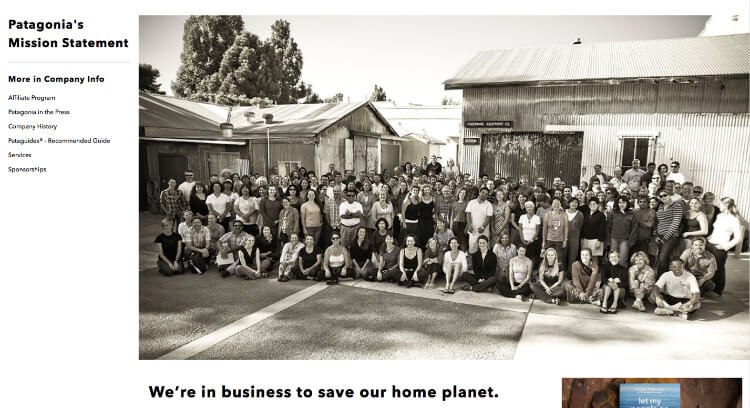
Mission: Build the best product, cause no unnecessary harm, use business to inspire and implement solutions to the environmental crisis.  

Vision: For us at Patagonia, a love of wild and beautiful places demands participation in the fight to save them, and to help reverse the steep decline in the overall environmental health of our planet.

mission statement examples from Patagonia

The mission statement focuses on their day-to-day goals, while the vision statement is loftier about their overall ambitions (to save the planet) that are unique to their business.

How Long Should a Corporate Mission Statement Be?

An effective mission statement should fall between 1 and 4 sentences (ideally 2) but still be able to convey what it needs to. Anywhere between 50-100 words should be enough to clearly summarize and define your business’s mission.

Writing a Corporate Mission Statement for Your Business

Most corporate mission statements miss the mark by having a generic and soulless mission statement void of passion or strong values. The best mission statements will inspire and surprise people.

When creating a mission statement for your own business, make sure you answer the following questions:

  • What do we do?
  • Who are our customers?
  • How do we help them?
  • Why does this organization exist and matter?

Answer these questions with answers that show you are holding your business to a higher standard. Keep in mind that they will essentially be a manual to how your company will operate.

If you plan to work with an outside firm, learn how to choose a branding agency before making a commitment. For help from an experienced branding agency in Austin or Houston, contact us today.

Describe what you do, what customers you serve, what your business uniquely offers them, and most importantly, why your business matters. You need to show the value your company brings to the table in no vague terms.

5 Company Mission Statement Examples

Look at these sample mission statements to garner some inspiration:

1. Southwest Airlines

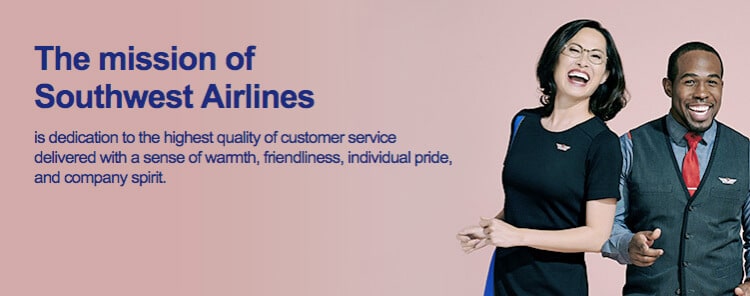
company mission statement from Southwest

“The mission of Southwest Airlines is dedication to the highest quality of Customer Service delivered with a sense of warmth, friendliness, individual pride, and Company Spirit. We are committed to providing our Employees with a stable work environment with equal opportunity for learning and personal growth. Creativity and innovation are encouraged to improve the effectiveness of Southwest Airlines. Above all, Employees will be provided the same concern, respect, and caring attitude within the organization that they are expected to share externally with every Southwest Customer.”

Southwest Airlines gives a special shout-out to their employees. More than half of their mission statement focuses on how much they value the happiness and work of their employees. This statement is effective because it passionately conveys the company’s unique values and how its philosophy will translate into success. Gary Kelly, the CEO of Southwest Airlines, has stated that “our people are our single greatest strength and most enduring long-term competitive advantage.”

2. Nordstrom

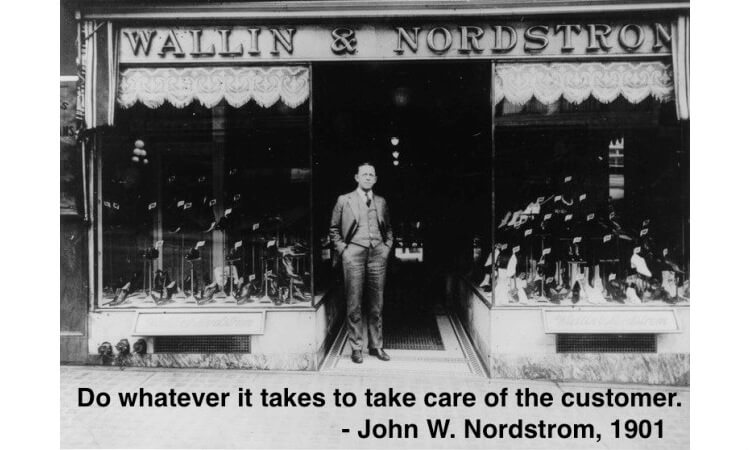
sample business mission statement from Nordstrom

27gen

Nordstrom has a couple of possible mission statements that are both very effective.

“We believe fashion is a business of optimism and in that spirit, we continue to grow and evolve. Free shipping and free returns, mobile shopping, and exciting new retail partnerships offer us continued opportunities to serve more customers in more ways with a fresh, relevant shopping experience and inspiring style. Fashion changes. Shopping changes. Our commitment to happy customers doesn’t.”

“In 1901, John W. Nordstrom opened a shoe store on the premise that customers deserved the best service, selection, quality, and value. Over a century later, we maintain the same dedication to providing a unique range of products, exceptional customer service, and great experiences.”

In both statements, you can see that Nordstrom highly values their philosophy of customer service and satisfaction. Both also mention the importance of curating a high-quality catalog of products for customers to select from. The first statement explicitly states its services and values, while the second touches on its history to showcase its customer service standards.

3. Uber

writing a mission statement with Uber

“We ignite opportunity by setting the world in motion. Good things happen when people can move, whether across town or toward their dreams. Opportunities appear, open up, and become a reality. What started as a way to tap a button to get a ride has led to billions of moments of human connection as people go all kinds of places in all kinds of ways with the help of our technology.”

Uber’s mission statement is exciting, inspiring, and effectively communicates the value of their product and services. It shows that you do not need to have a cookie-cutter corporate statement to come across as professional, but you do need to inject some passion to compete with other cutting-edge companies.

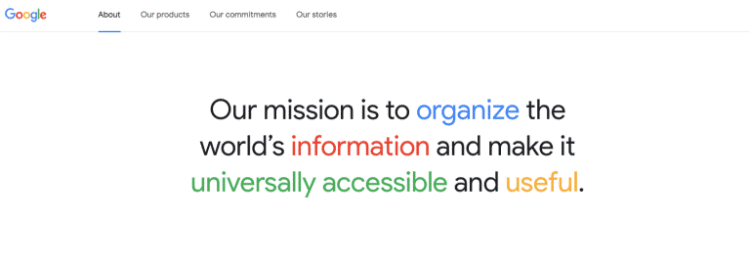
how to create a mission statement Google Search example

From the beginning, our mission has been to organize the world’s information and make it universally accessible and useful. Today, people around the world turn to Search to find information, learn about topics of interest, and make important decisions. We consider it a privilege to be able to help. As technology continues to evolve, our commitment will always be the same: helping everyone find the information they need.

In their mission statement, Google Search is very focused on the value they bring to their users as a free tool and talks about the privilege and the responsibility they feel to provide information to the world. This is powerful because they believe in their product so much that they’ve moved on to increasing accessibility. They state that their product is of high quality and is a critical part of many lives around the world.

5. TED Talks

how long should a mission statement be? TED example

“TED is a global community, welcoming people from every discipline and culture who seek a deeper understanding of the world. We believe passionately in the power of ideas to change attitudes, lives and, ultimately, the world. We’re building a clearinghouse of free knowledge from the world’s most inspired thinkers — and a community of curious souls to engage with ideas and each other… In fact, everything we do is driven by this goal: How can we best spread great ideas? TED is owned by a nonprofit, nonpartisan foundation. Our agenda is to make great ideas accessible and spark conversation.”

TED’s main goal is to spread ideas and “spark conversations.” Their mission statement focuses on connecting people and facilitating a community. They clarify their agenda by stating because they are nonprofit and nonpartisan, they essentially have none besides disseminating knowledge and ideas.

Let MARION Help You Develop a Comprehensive Brand Strategy

A mission statement is a foundational element of your brand development strategy. Get it right the first time by working with a Houston branding agency with a 40-year track record of developing strong brands.

MARION is a traditional and digital marketing agency with the know-how to build you a high-performing brand. Don’t just take our word for it; contact us today to schedule a free consultation and learn how we can help you grow your business.

Marketing emails you’ll actually want to read.

Get marketing tips and news sent to 
your inbox.
This field is for validation purposes and should be left unchanged.
Name(Required)

Navigating the Storm: Effective PR Messaging for Businesses During Hurricanes

Hurricanes and other natural disasters can strike unexpectedly, causing disruptions that challenge even the most prepared businesses. Amid these challenges, effective public relations (PR) plays a crucial role in maintaining client relationships, showcasing resilience, and fostering community support.

In this guide, the marketing experts at MARION closely examine the art of PR messaging during natural disasters, focusing on how businesses can communicate with existing clients before, during, and after local catastrophes to ensure they remain ahead of the game.

Before the Storm: Preparing and Communicating

  1. Understanding the Risks: The first step in effective disaster communication is recognizing potential risks. Research and identify how natural disasters might impact your business and clients, enabling you to anticipate challenges and develop tailored responses.
  2. Creating a Comprehensive Plan: A well-thought-out disaster communication plan is essential. Outline strategies, designate communication channels, and define protocols for both internal and external communication to ensure a coordinated response.
  3. Proactive Outreach: Reach out to clients before a disaster strikes. Share your preparedness plan, emphasizing the steps you’re taking to ensure their safety and maintain business continuity. This proactive approach establishes trust and reassures clients.
  4. Providing Resources: Equip clients with essential resources such as emergency contact information, safety guidelines, and evacuation routes. Utilize visuals like infographics or images to convey important information more effectively. This empowers them to take necessary precautions and stay informed.

During the Storm: Keeping Clients Informed

  1. Continuous Updates: Maintain open lines of communication with clients throughout the disaster. Regularly update them on the status of your business operations, any disruptions, and the safety measures you’re implementing. Use multiple communication channels such as social media, email, and website updates.
  2. Prioritizing Safety: Show that safety is your top priority. Inform clients of measures you’re taking to protect your employees, clients, and assets during the crisis.
  3. Emergency Contacts: Ensure clients have access to your emergency contact information. This enables them to seek assistance if needed and reinforces your commitment to their well-being.
Hurricane PR Messaging for Businesses

After the Storm: Recovery and Rebuilding

  1. Expressing Empathy: Send heartfelt messages expressing concern for the well-being of your clients and the community. Demonstrating empathy reinforces your commitment to supporting them during challenging times.
  2. Assessing the Impact: Share transparent updates on the status of your business, any damages incurred, and the progress of your recovery efforts. This transparency fosters trust and keeps clients informed.
  3. Offering Assistance: Provide information about available support services and resources that can aid clients in their recovery process. This gesture showcases your dedication to helping them rebuild.
  4. Showcasing Resilience: Highlight how your business is bouncing back from the disaster. Reiterate your commitment to providing quality services and reaffirm the value you bring to clients.

Long-Term Relationships: Post-Disaster Engagement

  1. Follow-Up: Continue to engage with clients even after the immediate crisis has passed. Use social media to provide real-time updates, address concerns, and answer questions from your audience. Check in to see how they’re recovering and offer additional support if needed.
  2. Sharing Stories of Resilience: Share inspiring stories of how clients and community members have overcome challenges. This not only uplifts spirits but also demonstrates the strength of your community.
  3. Community Engagement: Participate in local recovery efforts and initiatives. By actively contributing to the well-being of the community, you reinforce your business’s commitment to its surroundings.

The Bottom Line

Navigating hurricanes requires a strategic approach to PR messaging that spans before, during, and after the storm. Effective communication that prioritizes preparedness, empathy, and ongoing support is key to maintaining strong client relationships and showcasing resilience.

As businesses face an increasingly unpredictable world, developing a comprehensive disaster communication strategy ensures they remain ahead of the game and continue providing valuable support during challenging times.

Elevate Your Business’s PR Efforts with MARION Integrated Marketing

From crafting compelling PR messaging strategies to devising innovative marketing strategies and building a strong brand identity, MARION’s experienced team of experts is here to guide you every step of the way. With our dedication to delivering results, we are your partner in achieving business growth and success.

Reach out to us now to prepare your brand’s marketing communications this hurricane season.

Marketing emails you’ll actually want to read.

Get marketing tips and news sent to 
your inbox.
This field is for validation purposes and should be left unchanged.
Name(Required)

Brand Positioning 101: How to Create an Effective Positioning Strategy

The most successful brands are, above all else, known for something. They have a unique value proposition that customers easily understand, thus differentiating them from their competitors. Identifying what makes your company’s products or services one-of-a-kind can go a long way to developing a solid following. Known as brand positioning, that sort of identification plays a critical role in any viable marketing strategy.

What Is Brand Positioning in Marketing?

Before discussing how to develop a proper brand positioning strategy, the base-level question — What is positioning in marketing? — must be answered.

At its core, brand positioning identifies the traits that a company’s products or services unique within its particular market sector. It can also refer to specific qualities that a single company possesses: Walmart, for instance, is known for being an inexpensive retailer that attracts cost-conscious consumers looking for affordable groceries, clothing, and home goods, whereas Apple is known for producing high-value electronics with clean and sleek designs.

Types of Positioning Strategies

Multiple types of positioning strategies may suit your business, though a few of the most common include customer service, convenience, price, quality, and differentiation. You’ll want to carefully examine your company and what it has to offer to determine the positioning strategy that best suits your organization.

Developing a Successful Positioning Strategy

Determining and forming a suitable market positioning strategy for your organization is a relatively easy process, so long as you follow the series of steps below:

Step 1: Conducting Market Research to Identify Target Audience and Competitors

You’ll want to start the process by thoroughly evaluating all aspects of your target audience, including their demographics, buying behaviors, geography, and income. Knowing your buyers can help you better understand their needs and why they continue to choose your company.

Your buyer analysis should unveil some characteristics that will make it easier to determine what your brand positioning strategy should be. For instance, if you’re targeting wealthier individuals in their 40s, you might position your products as high-quality and equally classy.

You’ll also want to examine your competitor’s positioning. Check out their website and social media accounts to understand the strategies they’re using and how you might be able to improve upon them.

Brand Positioning target audience

Step 2: Defining Your Unique Selling Proposition and Value Proposition

Once you specify your brand positioning, you can develop its unique selling proposition (USP) and value proposition. You’ll want to communicate these two throughout all of your external messaging to ensure that potential buyers clearly understand what you have to offer.

Competitor analysis can also help you define your USP. Through your evaluation, you should pick up on certain trends. For instance, you might see that your competitors don’t offer free trials for their services or that their pricing is much more expensive than yours. Ensure you communicate the strengths you provide over your competitors in your value proposition.

Step 3: Crafting Your Brand Story and Messaging to Connect with Your Target Audience

Your next step is to develop your brand’s story and messaging. Your brand’s story will clearly explain what you have to offer to your buyers and why your company is the right choice for them. You can showcase your story through text, but a simple video that’s visible on your website alongside pages that fully describe your company can help fully convey your message.

Once you decide on your approach to messaging, it is critical to maintain it whenever you communicate with your customers.

Step 4: Choosing the Right Communication Channels to Reach Your Target Audience

You can use multiple communication channels to connect with your audience, but you don’t need to be everywhere at once. Instead, concentrate on where your buyers are most likely to congregate.

For a B2B organization, for example, developing a social media presence on LinkedIn and through industry conferences can help you reach your target audience. Meanwhile, an e-commerce company seeking to attract younger buyers might find TikTok and Instagram better alternatives.

Step 5: Creating Consistency Across All Touchpoints to Build a Strong Brand Image

Once you establish your messaging and positioning, you’ll need to maintain consistency to strengthen your brand image, or else your buyers will lose sight of your value proposition.

As such, if you position your brand as high-quality, you must stick with that positioning throughout all your communications and advertising. If you suddenly decide to change your positioning and focus on a low price point, it could damage your company’s reputation and ultimately confuse your buyers.

Stand Out in a Competitive Business Landscape with MARION Marketing Services

In the early days of your business, figuring out the correct positioning for your company’s products and services can be challenging. You’re new to the market and want to grow your revenue fast, so you might ignore brand positioning in favor of generating quick sales, but that’s a mistake, to put it bluntly.

You’ll want to establish a USP and value proposition early on to guarantee you can create consistent messaging that resonates with your target buyers and grows your company’s following.

MARION can help you build the right market positioning strategy for your organization — reach out to us today to get started!

Marketing emails you’ll actually want to read.

Get marketing tips and news sent to 
your inbox.
This field is for validation purposes and should be left unchanged.
Name(Required)

7 Steps to Developing a Successful Content Marketing Strategy

In today’s digital age, content marketing has become vital to any successful marketing strategy. By creating and distributing valuable, relevant, and engaging content, businesses can attract and retain their target audience while establishing themselves as industry leaders. However, developing an effective content marketing strategy requires careful planning and execution.

What is a Content Marketing Strategy?

A content marketing plan is a strategic approach that outlines the who, what, when, where, why, and how of your content creation and distribution. It is a documented strategy that guides marketers in their content marketing efforts.

Why A Content Marketing Strategy Is Important to Your Business

The plan helps marketers define their target audience, determine the type of content to create, decide on the platforms to distribute the content, and establish marketing goals and objectives for their digital marketing initiatives. By creating a digital content marketing plan, marketers can ensure that their efforts are purposeful, organized, and aligned with their overall marketing strategy.

There are several benefits to having an effective content marketing plan:

  • Helps boost website traffic by providing relevant content that attracts and engages the target market.
  • Drives more sales by establishing expertise, authority, and trust with the audience, making them more likely to make a purchase.
  • Creates brand awareness by consistently delivering valuable content that resonates with the viewer and builds familiarity with the brand.

These benefits contribute to the overall success of a marketing campaign and help businesses achieve their goals.

content marketing planning team

Build A Content Marketing Plan in 7 Steps

Now, let’s explore the essential steps to developing a successful content marketing strategy that will drive results for your business.

Step 1: Define Your Goals and Target Audience

Before diving into content creation, it’s crucial to establish clear goals and identify your target market. Define what you want to achieve through digital content marketing, whether it’s increasing brand awareness, generating leads, driving website traffic, or nurturing customer loyalty.

Understanding your target audience’s demographics, interests, pain points, and online behavior is equally important. This information will help you tailor your content to meet their needs effectively.

Step 2: Conduct a Content Audit

A content audit evaluates your existing content to determine its performance and relevance. Analyze your website, blog posts, social media content, and other materials. Identify content that has performed well and resonated with your audience and identify areas for improvement.

This audit will provide valuable insights into what content types and topics are successful, allowing you to optimize your strategy moving forward.

Step 3: Develop a Content Plan

Create a comprehensive content plan based on your goals, target audience, and content audit findings. This plan should outline the types of content you will create (blog posts, videos, infographics, case studies, etc.), the topics you will cover, and the channels you will use for distribution (website, blog, social media platforms, email newsletters, etc.).

Create a content calendar to ensure consistency and provide a clear roadmap for content creation and publication.

Get Started with Our Free Content Calendar Template >

Step 4: Create High-Quality Content

Now that you have a plan in place, it’s time to create engaging and valuable content. Focus on producing content that educates, entertains, or solves your audience’s problems. Craft compelling headlines, use a mix of formats to cater to different preferences, and incorporate visual elements to enhance engagement.

Remember to optimize your content for search engines by including relevant keywords and providing meta descriptions.

Step 5: Promote and Distribute Your Content

Creating great content is only half the battle; promoting and distributing it effectively is equally important. Utilize various channels to reach your target audience, including social media platforms, email marketing, guest blogging, influencer partnerships, and online communities.

Engage with your audience, encourage social sharing, and consider paid advertising to boost the visibility of your content.

content marketing plan laptop

Step 6: Measure and Analyze Results

Regularly monitor and measure the performance of your content marketing efforts. Utilize analytics tools to track key marketing metrics such as website traffic, engagement, social shares, conversions, and ROI.

This data will help you identify what content resonates most with your audience, what channels are most effective, and areas that require improvement. Use these insights to refine your strategy and optimize future content creation and distribution efforts.

Step 7: Iterate and Improve

Content marketing is an ongoing process that requires continuous improvement. Actively seek feedback from your audience, engage in conversations, and adapt your digital content strategy based on your target audience’s evolving needs and preferences.

Stay updated with industry trends, emerging technologies, and changes in search engine algorithms to ensure your content remains relevant and effective.

MARION Digital Content Marketing Services in Houston, Texas

Whether you’re looking to enhance your brand awareness or boost your online presence, MARION has the expertise and resources to deliver high-quality content that resonates with your target audience. Our team of experienced copywriters and digital strategists is dedicated to providing innovative and effective content solutions that drive traffic, engage audiences, and generate leads.

Contact MARION today for a free consultation!

Marketing emails you’ll actually want to read.

Get marketing tips and news sent to 
your inbox.

This field is for validation purposes and should be left unchanged.
Name(Required)

How to Expand Brand Awareness with LinkedIn Networking

Founded in 2002, LinkedIn stands as one of the world’s most-preferred social networks for many years, but even with a current user base of over 900 million, there exists a vast difference between the platform and others, such as Instagram and TikTok.

Most of its users are professionals looking to network with others, which makes LinkedIn a game-changer for those working to build a brand. Statistically speaking, over 90 percent of B2B marketers use LinkedIn to market their content, and nearly the same amount of people use it to generate quality leads for their business.

Read on to learn how to grow your network on LinkedIn and leverage the platform to engage with your audience and increase brand awareness.

What Is LinkedIn Networking and How Can It Help Your Brand?

LinkedIn is unlike any other social media network in that it is geared toward professionals. The platform’s stated mission is to connect said individuals on a global scale to effectively increase productivity and success.

With that mission in mind, LinkedIn networking is what it sounds like — that is, using the platform to gain professional connections in your niche or industry. Like offline networking, you will usually connect with people on LinkedIn over mutual interests and by sharing knowledge and ideas with those who might benefit.

Networking on LinkedIn can help your brand in the following ways:

  • Casting brands in a professional light, thus further legitimizing your business
  • Enabling connections with qualified leads with interest in your niche
  • Increasing your reach by exposing your brand to millions of potential clients
  • Allowing you to position yourself as an expert in your sector

LinkedIn is a land of opportunity, so brands and creative marketing teams must leverage it well.

How to Use LinkedIn to Make Professional Connections and Grow Your Network

Making connections on LinkedIn is all about learning how to engage with other professionals. If you want to grow your network, the following section will show you how to create a viable strategy beyond simply completing your profile.

social media monitoring guide

7 LinkedIn Networking Strategies for Building Your Brand

Learning how to network on LinkedIn doesn’t have to be complex or daunting. Here are just a few of the most common ways that your brand can make its presence known on the site:

1. Give Your Audience Valuable Content

Quality content allows you to appeal to potential customers by letting them identify you as the go-to expert in your niche. You’ll draw them in by consistently meeting their needs and motivating them to seek additional content.

2. Boost Employee Engagement

Your employees are already invested in the success of your business, so supplying greater visibility to posts by having your employees share them simultaneously will help alert common networks about trending topics and bring more attention to your corporate identity.

3. Use LinkedIn Groups to Build Relationships

Professional networking is all about creating mutually beneficial relationships, so when you join groups, you must do more than just read others’ posts. Ensure you comment and contribute to the discussion at hand, as helping others helps you gain more exposure.

4. Keep Up with Latest Industry News

Understanding what’s going on in your industry is critical. Not only will you be able to leverage new trends as they emerge, but you’ll have tons of ideas and helpful content to share with others.

5. Expand Your Professional Contacts

LinkedIn works best when you are constantly making connections. Since your posts are never distributed to 100 percent of your network, you need at least 1,000 connections to truly raise your brand awareness.

6. Run LinkedIn Ad Campaigns

Paid advertising is only as limited as your budget, and LinkedIn ad campaigns allow you to target a specific demographic and have tighter control of your brand’s narrative.

7. Publish a LinkedIn Article

Publishing LinkedIn articles gives you a chance to showcase your expertise and value to potential clients, who, in turn, will see your business as the go-to brand in your niche.

linkedin networking on phone

Networking Tips and Best Practices for LinkedIn Professionals

Some important LinkedIn networking tips and best practices to follow are as follows:

  • Optimize your profile to better showcase your brand and offers so people can see the benefit of connecting with you
  • Engage with people who comment on your posts or articles
  • Capture attention with rich, media-driven video posts
  • Emphasize quality over quantity by personalizing each connection
  • Continue to engage with contacts after the initial contact
  • Share other people’s posts and content to get noticed and build connections
  • Inject a bit of your personality into every post or connection

If you follow these tips and maintain a professional tone, LinkedIn users will likely enjoy engaging with you and want to learn about your brand. Check out our social media management guide for more helpful tips.

Develop Your Social Media Marketing Strategy with MARION

LinkedIn marketing can be a tricky process because it walks a fine line between the personal and professional realms, but given that many of your prospects are on social media, you need to be there too, ready to capture their attention with effective business tactics.

With MARION’s social media marketing services, you can leverage performance-driven marketing strategies to increase brand awareness and achieve your business goals.

Contact MARION to get started today.

Marketing emails you’ll actually want to read.

Get marketing tips and news sent to 
your inbox.
This field is for validation purposes and should be left unchanged.
Name(Required)

Growing Your Corporate Identity with Integrated Marketing

Corporate brand identity is a key factor in the success of any business. A well-developed corporate identity can help differentiate your business from competitors, create trust and loyalty among customers, and increase brand recognition.

What Is Corporate Identity?

At the root of your corporate identity is your logo, your symbol to the world of what your company stands for. When your customers see your branding, they are reminded of all their experiences with your company; what they have seen, read, heard, and felt about your company.

It is critical, then, that your brand elements reflect the nature and spirit of your company in a positive way from the moment your logo leaves the drawing board and enters the marketplace. As your brand grows, your logo reflects your identity.

Corporate Identity vs. Brand Identity

Corporate identity and brand identity are two terms that are often used interchangeably but have distinct meanings.

  • Corporate identity is the way a company presents itself to the outside world. It includes things like logos, color schemes, fonts, and more.
  • Brand identity is how a company wants to be perceived by its customers. It consists of elements such as mission statements, taglines, core values, and other aspects that help differentiate it from its competitors.

Both corporate identity and brand identity are important for any business to succeed in the long run. They help create a unique image for the company in the minds of consumers and also ensure that all communication with customers is consistent across all channels.

building corporate image and identity

How Do I Improve My Corporate Identity?

While building corporate identity in a healthy way, always include your logo and the other aspects of your organization’s design – colors, tagline, graphical elements – in all your communications and in all media. Your marketing communications messages and value proposition must be consistent in all media. These consistent visual and verbal representations of your company in print collateral, on the Internet, video, and multimedia will nourish your brand and nurture your corporate identity.

Marketing Plan

Following marketing research, the experts at MARION can help you determine your customers’ needs and, with an integrated marketing campaign, attract and retain more and more satisfied customers to grow your business.

Website Design

Your website reflects your corporate brand identity online. Persuasive content, graphics, and navigation all work in harmony to make your site a standout success. Don’t hold back while investing in your corporate custom website design in Houston because it’s often your brand’s first chance to position itself in a potential customer’s mind.

Search Engine Optimization (SEO)

Search engine optimization gets your site ranking highly on search engines and your corporate identity found on the web. Spending time and even money on SEO services is a way to make sure that your brand is showcased to the most relevant audience when they need your expertise the most.

Digital Marketing

Internet marketing boosts your web presence. Spread your brand across search engines, raise your brand visibility, and increase traffic to your site through online website marketing and a sound digital strategy.

Brand Building

MARION offers services in support of your brand management practices and developing a strong brand-building methodology. We can teach and guide or provide turnkey brand-building services depending on your unique needs and business goals.

Discover MARION's style guide template we've built that gets us the best results for our clients. Download Now!

Logo Design

Logo design is at the root of building your corporate identity, image, and brand. Your customers associate the qualities of your company with your logo. Investing in Houston logo design services can amplify your brand in a highly positive way.

Video Production

Enhance your brand, record events, facilitate training, instruct for safety, and promote your products and services with corporate video productions.

3D Animation

3D animations add dimension and life to your corporate identity. A great tool to impress your customers by creating animated images of a proposed reality.

Printed Brochures

Your corporate capabilities brochure expresses your corporate brand identity in print. Improve your brand development strategy with great graphics and persuasive, to-the-point text within your company brochure or catalog design.

3D Graphic Design

3D graphic designs and illustrations add dimension to your corporate identity. A great tool to impress your customers by creating images of a proposed reality.

Public Relations

Media relations, community relations, public affairs, crisis communications, issue management, and public speaking all impact your corporate identity.

Develop Your Corporate Identity with MARION Integrated Marketing

MARION Integrated Marketing provides a comprehensive suite of services to help you develop your corporate brand identity. From logo design to website development, MARION will work with you to create an image that conveys the values and objectives of your company. With our expertise in marketing strategy and creative design, we can help you develop a unique corporate identity that stands out from the crowd!

Contact MARION today to speak with one of our experts about how our marketing agency in Houston can help build your brand and grow your bottom line.

Marketing emails you’ll actually want to read.

Get marketing tips and news sent to 
your inbox.

This field is for validation purposes and should be left unchanged.
Name(Required)