Category: Brand Development

Bandwagon Advertising: A Complete Marketing Guide
Bandwagon advertising shows up in marketing cycles again and again. In recent years, it has become more prevalent due to the rise of social media and word of mouth marketing. At its core, this tactic plays on a simple idea: people often take cues from other people when making decisions.

What is Bandwagon Advertising?

Bandwagon advertising is a persuasion tactic that highlights popularity or widespread adoption to influence decisions. The message is simple. Many people are already doing this so you probably should too.

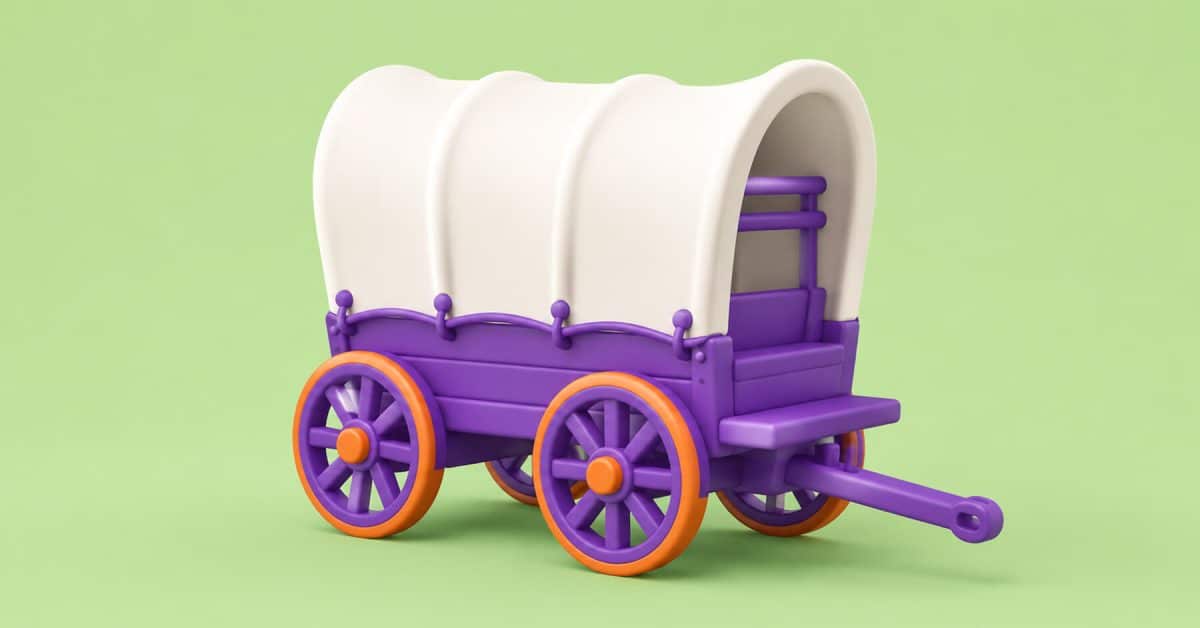
The term itself comes from 19th century political campaigns, where public displays of support were used to signal momentum. Campaign organizers encouraged people to quite literally jump onto a bandwagon to show alignment with a winning side. The language stuck because the behavior worked! Visible support attracted more support.

The bandwagon approach differs from feature-based advertising. Instead of focusing on product details, it focuses on participation. The product becomes validated by the crowd rather than by specs or claims.

Common signals include phrases like:

  • Join thousands of customers
  • The most used platform in our category
  • Everyone is switching
  • Trending now

These phrases are rarely accidental. They are designed to reduce friction by suggesting the decision has already been made by others.

Bandwagon Advertising: B2B Edition

Bandwagon tactics are not limited to consumer brands. In B2B they often appear as:

  • Customer count claims
  • Industry adoption language
  • Logos of well known clients
  • Usage metrics tied to peers

In B2B buying cycles this works best early in the funnel. It helps a solution get shortlisted. It does not close deals on its own. Buyers still need proof technical fit and internal buy in.

The Bandwagon Effect in 3 Parts

Ever wonder why “bestseller” badges and sold out signs make you click “buy” faster than a rational “Pros and Cons” list? The bandwagon effect as we know it tends to follow a predictable pattern.

1. Social Proof

People assume popularity signals value, because it feels unlikely that so many people could all be wrong at once. When buyers see long lines, high ratings, or “bestseller” tags, they treat these as evidence that the choice is pre-vetted. Risk appears lower even when the product is unfamiliar, especially if the visible crowd includes people they trust, such as peers, influencers, or recognizable brands.

2. Fear of Missing Out

Once popularity is established, the next reaction is concern. Buyers will wonder if they are falling behind, AKA FOMO. This is common in fast moving markets like software, finance, and digital services, or even consumer goods.

3. Faster Decisions

Together these combined forces will reduce research time, in turn replacing it with a quick “go with the group” judgment. The crowd becomes a shortcut, allowing people to skip deeper evaluation and rely on visible choices made by others. Decisions move faster because uncertainty feels resolved. This speed is the appeal…and also the danger.

Bandwagon Advertising vs Brand Voice

Bandwagon messaging can clash with brand identity if it is forced. Short term attention is easy to gain, but long term trust is harder. When popularity claims feel exaggerated or vague, audiences notice.

Strong brands use bandwagon tactics as support, not as the main argument. Popularity should confirm value (not replace it). Problems usually show up when brands:

  • Inflate numbers
  • Rely on buzz without substance
  • Chase trends unrelated to their positioning

Bandwagon Advertising Examples Over the Years

Real world bandwagon advertising works best when the audience can see participation happening around them. The strongest examples do not rely on generic popularity claims. They make the crowd visible.

Spotify Wrapped

Spotify Wrapped is one of the clearest modern examples of bandwagon advertising done right.

At the end of every year Spotify releases personalized listening summaries for users. On the surface this feels like a personal feature, but in reality it is a mass participation event. Social feeds fill with Wrapped screenshots and stories. Users who are not on Spotify are reminded very quickly that they are outside the group.

Spotify doesn’t even have to convince their audience that “everyone is using us.” Millions of users are saying it for them!
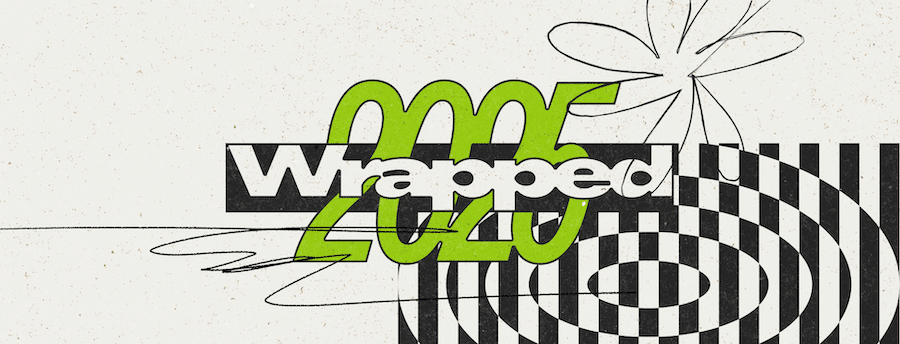
spotify wrapped bandwagon advertising lesson

Apple iPhone Launches

Apple product launches rely heavily on bandwagon signals even before the product is widely available. Preorders often sell out quickly and physical lines form at retail locations, which then drives media coverage that emphasizes adoption speed rather than technical specifications. Each of these signals reinforces the idea that this is the phone people are switching to.

apple iphone

Ever since the start, TikTok trends have functioned as real time bandwagon advertising. When a sound format or challenge gains traction, it spreads because users see participation everywhere. Brands that join early can really benefit from that momentum. Brands that join too late often look forced.

Folgers used bandwagon advertising long before digital metrics existed. In the 1950’s, Folgers positioned itself as the most popular coffee in America. The claim was not tied to flavor or sourcing, but the fact that if most households were drinking Folgers, then choosing it felt safe and familiar. This worked because coffee was a habitual, relatively low risk purchase. In situations like this, bandwagon choices are usually less about finding the best option and more about avoiding a bad one.

When Bandwagon Advertising is Not the Right Fit

This approach can backfire in situations that require careful independent evaluation. Here are some examples:

  • High risk purchases, where people usually want to slow down, ask questions, and think through what could go wrong.
  • Niche or expert driven markets, where decisions tend to be based on experience or technical knowledge rather than what everyone else is doing.
  • Brands positioned around exclusivity or discretion, where being popular can actually make the brand less appealing.

In these cases, popularity signals can weaken credibility rather than support it.

How MARION Approaches Bandwagon Advertising

If you are wanting to try something new with your marketing in 2026, bandwagon advertising is definitely worth considering. If you want to talk through how this tactic fits into your current marketing efforts, reach out to MARION. Our marketing agency brings decades of experience across digital marketing, with a focus on using tools like social media, SEO, email marketing, PPC ads, web design, and more!

Contact MARION today to schedule your free web marketing consultation. Let’s get this bandwagon rolling.

Marketing emails you’ll actually want to read.

Get marketing tips and news sent to 
your inbox.
This field is for validation purposes and should be left unchanged.
Name(Required)

How ‘Stranger Things 5’ Marketing is Reinventing Hype for Long-Wait Streaming Shows

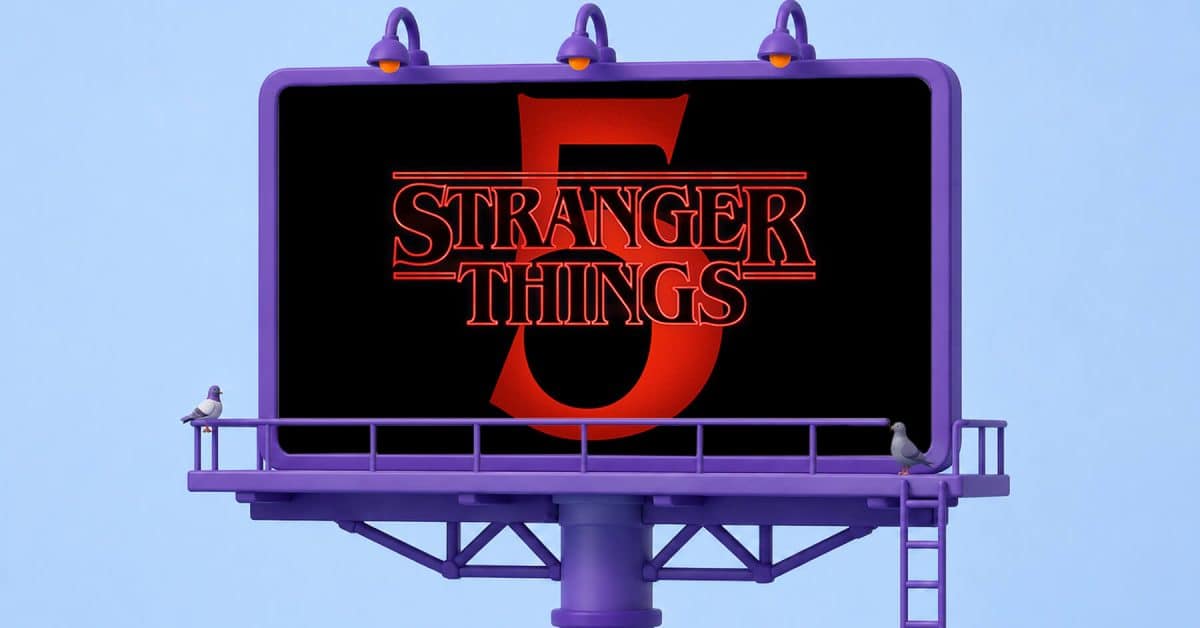
If it feels like the wait between streaming show seasons keeps getting longer, you’re not imagining it. Fans of Netflix’s Stranger Things have been on hold since Season 4 premiered in summer 2022, with the fifth and final season not scheduled to begin its three-part rollout until late 2025. That’s over three years of waiting…a timeline that’s starting to become the norm across the streaming industry. Let’s take a deep dive into Stranger Things marketing this year.

Are Multi-Year Gaps A Problem?

Delays caused by pandemic fallout, SAG-AFTRA strikes, and ambitious production timelines have created a new reality for viewers: patience is now a requirement. In addition to Stranger Things, shows like Severance, Euphoria, and Wednesday are also experiencing 2-4 year gaps between seasons. While audiences might be willing to wait, that wait often kills excitement and therefore risks losing cultural relevance. Marketing teams are telling streaming platforms that they need to do more than drop a trailer six weeks before release. In order to stay relevant after such long gaps, marketing has to pull its weight.

Instead of one big moment, the campaign is structured around three timed releases: Thanksgiving, Christmas, and New Year’s Eve. Each part creates another spark, another reason to talk about the show. It’s a smart counter to binge-watch culture, inviting sustained engagement across the holiday (shopping) season. Props to the marketing team here!

Netflix’s Answer: Make it a Cultural Event!

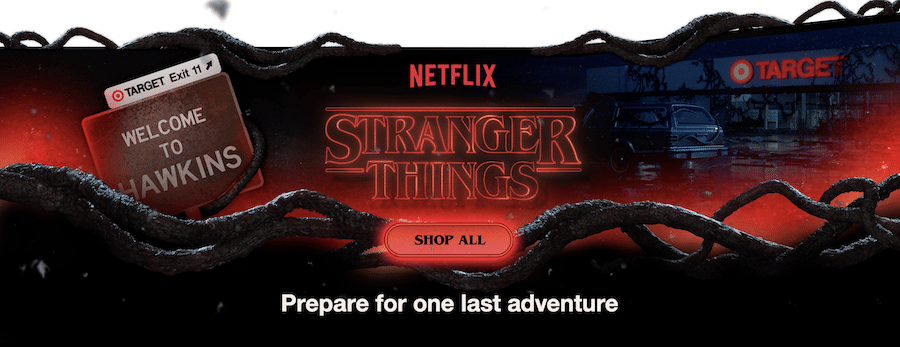
For Stranger Things 5, Netflix has positioned the release as more than a new season…it’s undoubtedly an “event.” Target is launching over 150 themed products tied to the show, more than half of which are exclusive to their stores. These range from nostalgic apparel to a Demogorgon-shaped popcorn bucket, all set within a throwback Target store environment inspired by 1987. The in-store experience and national campaign were developed in collaboration with Netflix and the show’s creative team, even featuring cast members. This is Stranger Things marketing at a national, immersive scale.

Stranger Things Marketing target

Source: Target

The campaign leans heavily into its ’80s aesthetic, tapping into a tried-and-true tactic: nostalgic escapism. This works especially well for Stranger Things, a show that thrives on synth-heavy flashbacks and mall culture references. From limited-run Doritos tie-ins to walkie-talkie phone cases, everything is built to feel both collectible and connected to the show’s world. These activations do not exist in a vacuum, rather they are giving fans tangible ways to stay plugged in during the long lead-up. The merch is smart, but it’s the layered Stranger Things marketing strategy that keeps the buzz alive.

Why This Works for Long-Wait Shows

The traditional trailer release cycle isn’t enough anymore. Netflix and brands like Target, are stretching the lifecycle of anticipation itself. The key is treating the wait time not as dead space, but as a marketing opportunity. That means:

  • Extended, multi-phase campaigns that create multiple peaks of interest
  • Co-branded product drops that live offline and build everyday awareness
  • Event-style pacing that mirrors theatrical releases
  • Immersive, nostalgia-driven design that resonates beyond core fans

This approach turns a potential liability (viewer frustration) into a marketing asset. It’s one of the most forward-thinking Stranger Things marketing rollouts we’ve seen to date.

Create Your Next Marketing Opportunity with MARION

Want to design a campaign that builds anticipation like Stranger Things’ marketing? MARION helps brands create traditional and digital marketing strategies. We offer services including SEO, content marketing, paid advertising, branding, and web design. With offices in Houston, Austin, and Dallas, our team helps businesses all across Texas!

Contact us to learn more.

Marketing emails you’ll actually want to read.

Get marketing tips and news sent to 
your inbox.
This field is for validation purposes and should be left unchanged.
Name(Required)

Construction Marketing Ideas to Prioritize in 2026

Is your construction business focused on commercial work and servicing other businesses?  Do you build retail establishments, restaurants, storefronts or office buildings?  Maybe you’re dedicated to building high-end residential homes or home remodeling. Regardless of what type of business you have, the construction marketing ideas listed below will help to promote your brand and generate new clients in 2026.

How to Market a Construction Company

Marketing the construction business online is a step that will grow the company. The challenge is making sure you’re in the best position to capture new leads, regardless of where they may be in the buying cycle.

For example, your potential clients could be starting the process and determining what the home renovations will be. That is called the top of the funnel. Others may have tried remodeling themselves, failed, and now they need help. Some will have a great idea of what they want, how much they would like to spend and a time frame when they want it done. All of these are qualified construction leads, but they are in different stages of the buying cycle.

The right digital marketing strategy might contain the following elements:

Construction Website Design

Website Design for the Construction Industry

Digital marketing starts with a well-structured website. In 2025, mobile responsiveness, accessibility, and speed are necessities. Your site needs to load quickly on any device, adapt to mobile-first indexing, and meet Google’s UX benchmarks like Core Web Vitals. These day, you’re not just competing with other contractors…you’re also competing with user impatience!

For construction companies, the most visited section is almost always the photo gallery. People want to see what you can do before they reach out. But don’t stop at before-and-after shots. Push this further.

Use the gallery to tell the full story of a project:

  • Include timestamps or timelines to show progress
  • Annotate images with product specs and design notes
  • Layer in short-form video walkthroughs or drone footage
  • Add client testimonials next to completed project visuals

Static image dumps don’t cut it anymore. Interactive case studies and documented workflows give visitors what they actually want: proof you can execute and context around how you work.

Also, make sure your site includes:

  • Clear messaging by service type and geography (e.g., “Kitchen Remodeling in Houston”)
  • Click-to-call buttons and quote request forms that actually work on mobile
  • Schema markup for services, locations, and reviews

Before launch, use this 8 point website launch checklist.

SEO for Construction

Along with detailed images, you’ll need informative and relevant content. Write content that solves problems, answers questions gives examples and showcases the expertise of the company.

Start a blog section of your website that can be used to publish articles that support the main services you provide. If one of the main services is kitchen remodeling, a good supporting blog article could be, “The benefits of remodeling your kitchen and bathroom at the same time.”  As the name implies, this type of article would be written to encourage readers to do both at the same time.

One of the main benefits of blogging for marketing is improved business lead generation. But in 2025, content alone won’t carry your SEO.

Here’s what you need to compete:

  • EEAT content – Your content should demonstrate Experience, Expertise, Authority, and Trust. Don’t publish generic tips straight from ChatGPT. Use real examples from past jobs and be specific about materials, pricing, and timelines. This type of content not only helps you rank but also improves your visibility with AI-powered search experiences, which rely on high-quality source content.
  • Google Business Profile – Keep it updated with photos, Q&As, services, and regular posts. This supports visibility in Google’s map pack and AI-enhanced local searches, which are gaining traction.
  • Local landing pages – Create separate service pages for each city or area you serve. For example, “Bathroom Remodeling in The Woodlands” should have its own dedicated page.
  • Schema markup – Add structured data to highlight your reviews, services, business info, and service areas. In 2025, schema markup is not only useful for search engines, but it also feeds structured results to AI assistants and generative search engines that rely on schema to pull trusted business data.
  • Internal linking – Connect blog posts and service pages using anchor text that reflects how people search. This supports SEO and guides site visitors toward conversion points.
  • Technical SEO – Don’t forget the backend work. Link building is still very important in 2025, especially backlinks from credible sources like trade associations, vendor partners, and local directories. Also focus on fixing broken internal links, submitting updated XML sitemaps, using proper redirects, and compressing images for faster load times. These technical elements still influence visibility and crawlability.

Search algorithms continue to evolve, but the core idea hasn’t changed: create helpful, relevant content that demonstrates authority in your field. That’s what earns trust (both from Google and from modern AI-driven search tools).

PPC for Construction

If budget allows, consider a supporting pay per click campaign. This will allow you to strategically target certain areas of town with specific messaging and offers.

For example, if you have identified a wealthier area of the city that has lots of older homes that need remodeling, you can display ads to people in that area. Using Google Ads, you can select a zip code and compose ads that speak directly to those people and offer the services you have.

sample construction ad

MARION Tip: Enable search ads for the zip code where your current construction job is. The ads will be displayed to people who are in the immediate area where you are working. If they can see your crew, professionalism and realize that you also service their area, you have a higher likelihood of closing the deal. Good news is…you’re already in the area. This may reduce the need to transport equipment and labor across town.

Social Media Marketing for Construction

It’s imperative that your construction business engages in social media marketing. At a minimum, set up profiles on Facebook, X, Instagram & LinkedIn. Use the consistent branding discussed earlier and create posts that showcase the business expertise, videos, images and latest construction jobs. In the captions of these posts, include descriptions about the products and services used. Make sure the social media profile is fully complete with the company biography, website links, and contact information.

But the real opportunity in 2025 is short-form video. Think:

  • 15-30 second walkthroughs of finished remodels
  • “What we would’ve done differently” voiceovers for transparency
  • Time-lapse footage of a kitchen or bath build
  • On-site Q&As or team introductions

MARION Tip: Conduct a search on each platform for your services and follow who is talking about it. For example, search Facebook for the term “kitchen remodeling.”  Follow every result that isn’t a business that is in your locality. If they asked a question, business or not, answer it, then follow them. Repeat for the other social media platforms.

Email Marketing for Construction

Monthly email blasts still have their place, but the more impactful strategy in 2025 is automation and personalization based on real client behavior. Rather than just sending newsletters, build trigger-based sequences tied to your services and the timing of past jobs.

Use your CRM or email marketing tool to segment by past project type, install date, or location. For example, if you installed new floors for a client six months ago, schedule a follow-up email that checks in and recommends a seasonal upgrade.

Hey [first name], how’s the flooring holding up? If your kitchen is next on the list, we’re currently offering a 15% loyalty discount for returning customers.

These automated sequences are far more effective than generic blasts, and so much easier to manage once they’re built!

Email is also a good place to resurface content they may have missed:

  • Case studies with before/after results
  • Video walkthroughs of projects like theirs
  • Seasonal offers tied to weather, school calendars, or tax season
construction marketing ideas

Branding for Construction

It seems so cliché, but it is very true. Develop a company brand that people will understand quickly. While this isn’t a necessity, it’s important to clarify that if the name is abstract, people may initially struggle to understand if your company can do what they are looking for. I believe this also depends on where you service clients. If you provide a nationwide service and have a sizeable advertising budget, then an abstract business name and branding could work. Mainly because you have the service area, as well as the resources (time and money) to manage it and promote the new brand.

However, if you are smaller residential construction business, servicing a certain locality, then you may want to choose a name that closely mirrors your specializations. Service focused business name examples would be;

  • Houston Home Renovations
  • Kitchen’s, Bathroom’s & More
  • Katy Home Additions

These are all fictitious company names. The point is, include the core service in the company name when possible. Include it in the company tagline too, especially if it isn’t in the main business name. You could try something like Jim’s Construction – Home Renovations since 1990.

After the name and tagline are determined, choose colors. For the sake of consistent branding, use these same colors everywhere the brand is displayed. Use it offline (vehicle wraps, business cards, flyers, company clothing, commercial signage) in places where potential clients will see it. Be sure to remain consistent with online advertising too. Use the same branding on the company website, social media, and email signatures.

Consistent use of the same look, feel, and imagery, plus providing a great product/service is how you develop a brand that people will remember and want to use again.

Contact MARION to Improve Your Construction Marketing Today!

Before you wrap up your next campaign, take stock of your current construction marketing strategy. Are you reaching your target audience on the right marketing channels? Are your marketing materials aligned with your digital marketing strategy? Too many construction companies still focus only on physical signage or word-of-mouth, missing the opportunity to connect with potential clients online through tactics like search engine optimization, social media management, and paid advertising.

MARION is a construction marketing agency with 40+ years of experience in Texas. For help with turning your construction marketing ideas into reality, contact us today to schedule a consultation!

Marketing emails you’ll actually want to read.

Get marketing tips and news sent to 
your inbox.

This field is for validation purposes and should be left unchanged.
Name(Required)

Wicked Part 1 vs. Part 2: A Marketing Observation

Universal went big on Wicked marketing, and it paid off. The first movie’s campaign hit every channel: merch, music, social, partnerships, in-person events, and more. Now with Part 2, they’ve shifted gears. It’s less about hype and more so about timing and keeping fans engaged.

If you want to see what an optimized cross-industry, experiential, fan-driven marketing campaign looks like, this one’s worth a read!

Wicked Part 1 Marketing Recap

The Wicked: Part 1 campaign went live in Q4 2024, AKA peak cinema traffic and retail activity. It wasn’t subtle, and that was the point.

Brand Partnerships Galore

Universal didn’t waste time with surface-level co-branding. This was layered audience segmentation at work:

  • MAC Cosmetics dropped a green-and-pink collection keyed to Elphaba and Glinda’s palettes.
  • Funko, Mattel, LEGO dropped collectibles and playsets. Target: legacy fans + new generation.
  • Béis launched limited luggage with Wicked-specific color codes. Crossover with travel enthusiasts.
  • Lexus launches a luxury promo campaign called “Experience OZmazing.”
  • Absolut built a character-themed cocktail kit experience. Conversion play for the lifestyle/demo overlap.
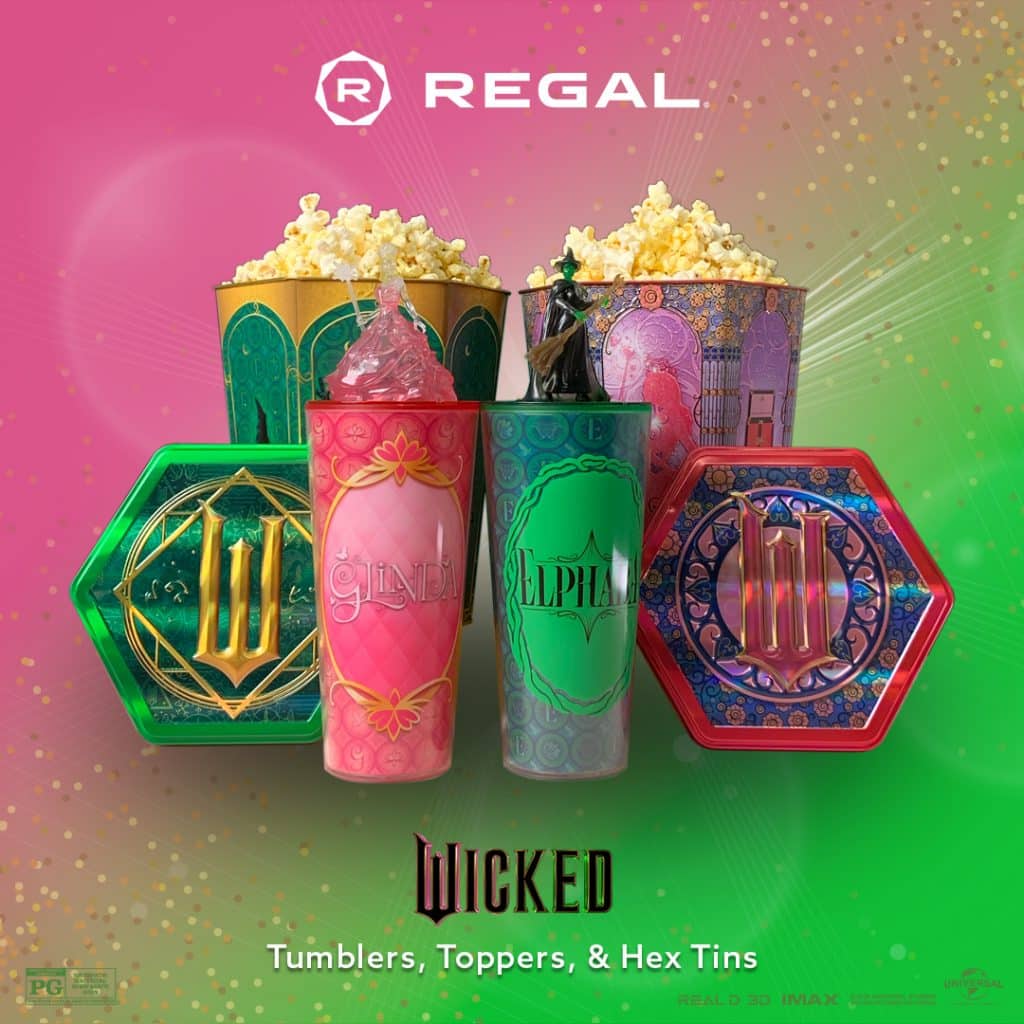
  • Movie theater chains sold Wicked themed popcorn buckets and souvenir cups, emphasizing limited time only.
wicked marketing merch

Source: Regal

Organic Social

TikTok and Instagram did a lot of the heavy lifting, but it wasn’t accidental. The team seeded content that encouraged:

  • Cosplay and fan edits
  • Clip reactions
  • Sound reuse

That created a feedback loop…the marketing team let it run, but monitored sentiment and virality data. This is how you turn a movie into a content flywheel!

Spotify also became a Wicked marketing lead gen tool. Playlists, pre-release sound bites, cast commentary. People don’t think of soundtracks as performance assets, but with Ariana Grande and Cynthia Erivo on the roster, it’s an engagement vector.

Playing the Long Game

Like we said, Wicked Part 2 is less about mass awareness and more about long-tail monetization. Universal is using the momentum from the first film to optimize marketing. The 18-month release gap was a strategic window to push seasonal merchandising and build fan anticipation. That cycle creates multiple revenue peaks instead of a single short-term spike.

This release strategy also gives retailers and streaming partners more time to execute. Product rotations can match campaign beats: fall fashion drops, Halloween promos, and early holiday buying cycles. Content-wise, the extended window allows for multiple touchpoints: trailer drops, new music releases, behind-the-scenes clips, creator challenges, etc. Every asset feeds the same sales funnel (across theatrical, digital, and physical retail).

Wicked Part 2 Marketing: What They’re Doing Different

No need for full brand awareness now. Everyone knows what Wicked is. The objective now is retention and anticipation.

Wicked: For Good teasers are structured to highlight story threads and unresolved arcs. Marketing content is now aligned with theory-building and speculation. That’s how you get people rewatching Part 1 and continuing your long-tail engagement.

Back again with the green and pink! But now we’re getting darker contrast, character-specific lighting cues, and thematic evolution that reflects Elphaba’s progression.

The final trailer dropped 58 days out from release, getting 113M views in 24 hours. The holiday slot isn’t coincidence either. Films released in that window average 23% stronger opening weekend revenue. That window also aligns with key retail timelines, giving merch partners like Target and Amazon the 45-60 days they need for production, inventory setup, and distribution.

  • Inventory spread across two years = better sell-through
  • Seasonal rotations tied to promo moments (Halloween, back-to-school, holiday)
  • Specific merch SKUs (Glinda vs. Elphaba) allow precise shelf-space optimization

The timing keeps content relevant and context-aware instead of burning out interest too early.

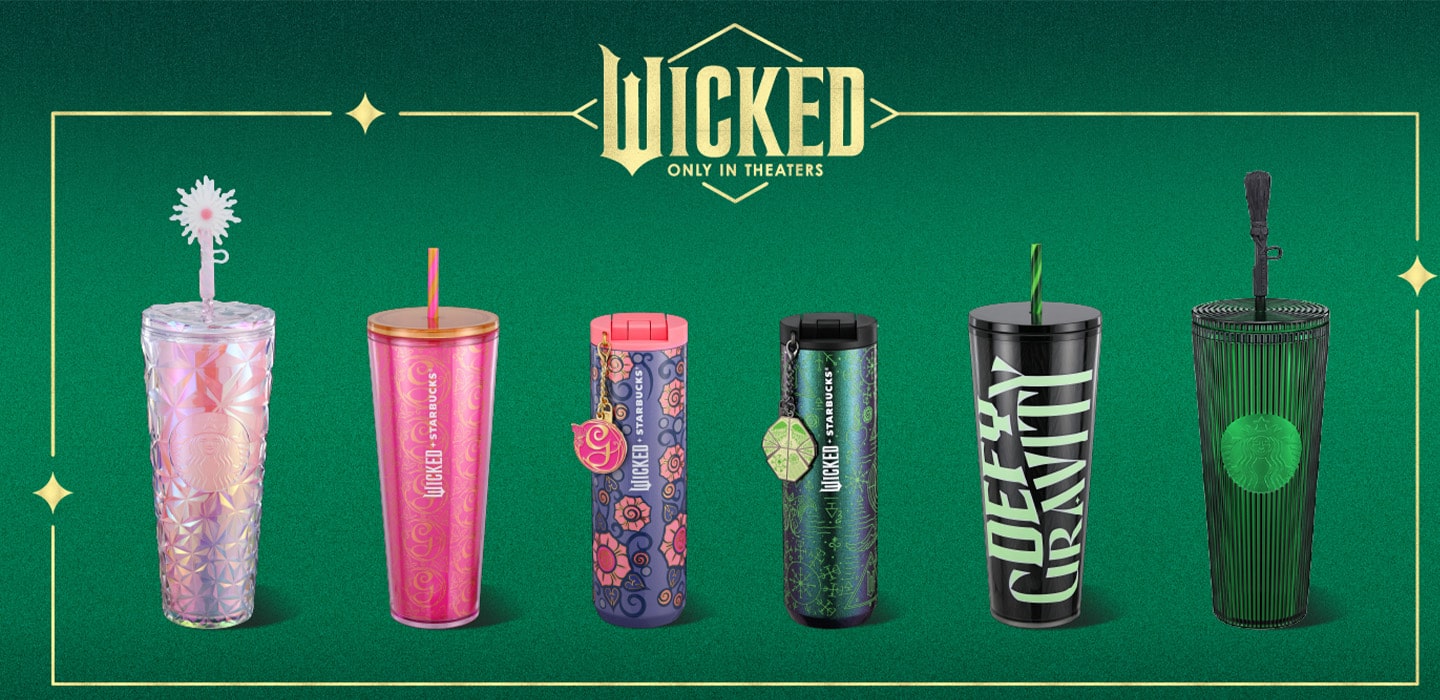
Starbucks-Wicked marketing-merch

Source: Starbucks

The Big Picture

Wicked’s Part 1 built brand equity through saturation. Part 2 is using that equity to deepen the narrative bond. It’s less about reach now and more about retention, speculation, and user-driven amplification.

This is what high-functioning Wicked marketing looks like when it’s running in full sequence: audience segmentation, platform orchestration, brand alignment, and performance-based iteration.

If your team is trying to build a campaign that operates across physical, digital, and social media, MARION marketing agency can help you build a strategy!

Let’s chat. 

Marketing emails you’ll actually want to read.

Get marketing tips and news sent to 
your inbox.
This field is for validation purposes and should be left unchanged.
Name(Required)

4 Football Marketing Ideas Your Business Can Run With

The passion for football runs deep in Texas. High school, college, or pro…every game draws in thousands of football fans and sports fans, creating a vibrant atmosphere that businesses can tap into. Aligning your marketing campaigns with football season helps you connect with a highly engaged target audience and positions your brand as part of the excitement.

The History of Marketing and Football

Football has long been a cornerstone of sports marketing strategies. Since the early days of televised games, brands have seized the chance to connect with sports teams’ loyal supporters. The Super Bowl, in particular, has become as famous for its commercials as for the game itself. From iconic TV spots to stadium sponsorships and halftime promotions, businesses have used football to increase engagement and reach new audiences.

It’s now 2025, and marketing efforts have expanded. Social media platforms, streaming services, and online communities allow brands to create engaging content and connect with a broader audience before, during, and after live events. From hashtag challenges to real-time fan engagement and limited-time promotion ideas, football offers countless ways to produce quality content that resonates.

Successful Super Bowl Ads

Marketing Campaign Ideas for Football Season

Football season is the perfect time to be fun with your marketing campaigns. The excitement, the camaraderie, and the sheer passion of fans create a unique environment where brands can make a big impact. Here are four creative marketing ideas to help your brand this football season.

1. Fan Loyalty Program

Loyalty programs aren’t new. Brands in nearly every industry use them to keep customers engaged and coming back. The concept is proven: reward repeat interaction, and you build a stronger connection. This football season, you can bring that same winning formula to your business with a Fan Loyalty Program built around the excitement of the game.

Start by giving customers a “fan card” or digital check-in option. Each time they make a purchase during football season (especially on game days) they earn points toward rewards. Those rewards could be:

  • Discounts on future purchases
  • Exclusive branded merchandise (shirts, hats, drinkware, etc.)
  • Early access to new products or services
  • Free add-ons or upgrades with purchases
  • Access to special events you host, such as watch parties or customer appreciation nights
  • Tickets to local football games
  • Gift cards to your store or partner businesses
  • VIP seating or reserved spots at events you sponsor
  • Personalized thank-you packages for top participants
  • Social media shout-outs and features on your website
The more they participate, the more they feel like part of an insider club that’s tied to both your brand and their team spirit.

You can also build momentum by offering double points on rivalry games, surprise giveaways during playoffs, or instant rewards when their team wins. Tie your promotions to the season’s emotional highs, and you’ll keep your audience engaged far beyond the stadium.

Marketing Expert Tip: Track member activity closely and use that data to send personalized offers, like special rewards when their favorite team wins.

2. Local Team Sponsorship

When football season kicks off, your business has a golden opportunity to connect with an energized community…by sponsoring your local team!

A local sponsorship can go so much farther than just logo on a banner. After all, it’s the perfect chance to stand alongside something your audience already supports. It doesn’t matter if it’s high school Friday night lights or a youth league, your presence on the field, in programs, and across team social media keeps your brand in front of fans all season.

Ways to maximize your sponsorship:
  • Host a Game Night Giveaway – Hand out free merch or services to lucky fans in the stands.
  • Feature the Team on Your Social Media – Share game highlights, athlete interviews, and upcoming match schedules.
  • Create Special Game Day Offers – Offer discounts when customers wear team gear to your store.

A local football sponsorship builds community goodwill while driving brand recognition, turning hometown pride into long-term customer loyalty. When the scoreboard lights up, make sure your brand is part of the winning moment!

3. Game Day Recipe Contest

When fans gather for football, the food is almost as important as the score. This season, stand out from the pack by hosting a Game Day Recipe Contest that brings your customers’ creativity to the table and keeps your business in the conversation long after the final whistle.

Invite customers to submit their best tailgate or watch-party recipes. Ask them to share a photo and the story behind their dish. These personal touches create content that’s perfect for your social media marketing, website, and email newsletters…turning your audience into both the creators and the stars of your digital marketing.

Each week, you can highlight standout submissions, encourage fans to vote, and celebrate winners with themed prizes such as team gear, local dining gift cards, or branded cookware. At the end of the season, consider compiling the top entries into a downloadable digital cookbook that features your brand on every page. You can even take it a step further by hosting a live cook-off at a local venue, giving the community a chance to taste and cheer on their favorites.

Marketing Expert Tip: ALWAYS repurpose user-generated recipes and photos throughout the season in your email marketing campaigns and social channels for authentic, ongoing engagement.

4. Tailgate Kit Giveaway

Everyone knows that football season is prime time for tailgating. Your business can tap into that excitement! But how?

A tailgate kit giveaway can include fan favorites like a portable grill, folding chairs, team-themed drinkware, snacks, and a cooler. Add in a branded item or two so your company stays in the spotlight long after kickoff.

How to run your giveaway:
  • Collect Entries In-Store and Online – Give customers a chance to sign up when they visit your location or website.
  • Promote on Social Media – Post photos and videos of the kit to spark interest.
  • Announce the Winner Before a Big Game – Build anticipation by revealing the winner right before a major matchup.
  • Partner with a Local Influencer or Sports Personality – Gain more reach by having them help promote the giveaway.
  • Offer Bonus Entries – Give extra chances to win when customers make a purchase, refer a friend, or share your post.
Bonus:
  • Incorporate a Community Tie-In – Donate a smaller kit to a local charity or youth sports team to add goodwill.

This type of promotion brings energy to your brand, drives foot traffic, and creates shareable moments online.

Marketing Expert Tip: Follow up with all entrants after the contest with a thank-you email blast and a special offer to turn new leads into customers!

Score Big with MARION’s Marketing Expertise

Now is the time to get in the game and make the most of this football season.

At MARION, we create sports marketing strategies that connect with your target audience, increase engagement, and deliver measurable results. From full-service campaigns to focused marketing projects, our Houston marketing agency is ready to help.

Get in touch with our team today!
Marketing emails you’ll actually want to read.

Get marketing tips and news sent to 
your inbox.
This field is for validation purposes and should be left unchanged.
Name(Required)

How Superman Marketing Balances Mass Appeal with Fan Centricity

In a marketing universe crowded with reboots, remakes, and relaunches, DC’s 2025 Superman: Legacy campaign has pulled off something rare: it speaks to everyone without watering down its message. The movie hits theaters on July 11, and analysts already expect it could cross the $1 billion mark globally thanks to a creative marketing effort that blends global visibility with sharp cultural relevance.

New Superman Movie Marketing Campaign – The Highlights

The Superman: Legacy campaign deployed an inventive set of tactics aimed at high public visibility while keeping core fans engaged. Some of the standout elements included:

  • Iconic Visuals: The Superman “S” shield beamed across landmark buildings, with a towering statue perched on London’s Shard.
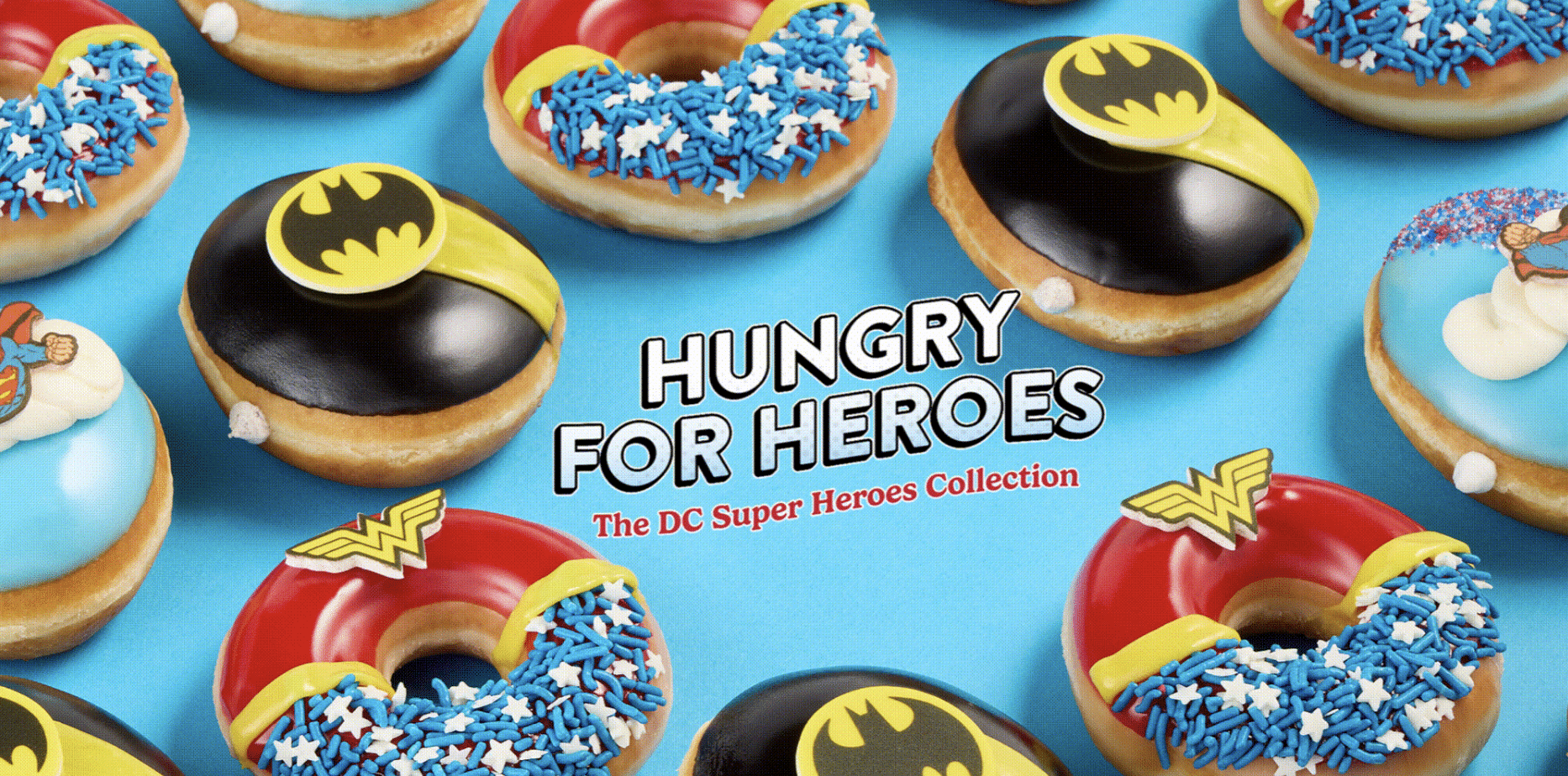
  • Brand Tie-Ins: Collaborations with Samsung, Krispy Kreme, and Progressive extended the reach into consumer moments from tech to treats.
  • Localized Engagement: Jersey drops with EC Bahia and city activations like Daily Planet pop-ups created a personal touch in physical spaces.
  • Fan-Centric Content: Posters featuring lesser-known characters and director interactions gave longtime fans more than surface glitz.
  • Multichannel Content Drops: With trailer launches and exclusive content for CinemaCon attendees, the campaign was tailored for every format.
  • Early Access & Screenings: Prime members and IMAX audiences got advance looks, fueling buzz and urgency.
New Superman Movie Marketing Campaign

Image source: Krispy Kreme

Why This Campaign Works

With the campaign groundwork laid out, it’s time to look closer at how these efforts played out across audience segments, creative formats, and messaging choices. Here’s what made the Superman rollout moreso strategic than promotional.

1. Two Audiences, Two Sets of Expectations

To pull this off, the integrated marketing campaign had to speak fluently to two very different audiences. Superman’s marketing had to cater to:

  • Casual fans: Families, general moviegoers, and anyone who’s seen a superhero movie.
  • Hardcore fans: Comic readers, lore-keepers, and long-time DC loyalists.

This same tension exists in many markets. Some want big-picture inspiration; others want detailed, in-the-weeds substance.

Marketing Takeaway: Segment your messaging. Don’t talk to your entire audience the same way. Build a digital content strategy that answers surface-level curiosity and deep technical needs. As someone who’s led campaigns across both niche verticals and mass-market brands, I can tell you this is where most marketers miss…assuming one message can do everything.

2. Broad (Yet Unmissable) Campaigns for Mass Appeal

Superman’s visual branding has been showing up everywhere:

  • The iconic “S” shield was projected onto landmark buildings around the world.
  • A 300-meter statue of Superman was installed atop London’s Shard skyscraper, drawing international headlines.
  • The campaign featured strategic brand collaborations with Samsung, Krispy Kreme, and Progressive that brought Superman into everyday moments and consumer touchpoints.

Each activation reinforced an emotionally uplifting tone: strength, hope, and optimism. No need for origin-story fatigue, this was clean, confident storytelling for anyone with eyes.

Marketing Takeaway: You don’t have to be dull to be professional. Use visually arresting creative across channels where your audience lives, such as industry news outlets, LinkedIn, targeted display. Brand recall starts with visibility and resonance.

3. Hardcore Fans Got Their Moment

This campaign wasn’t only designed for the mainstream. It carved out moments specifically for the superfans, like character posters featuring Mr. Terrific and Hawkgirl, comic-accurate costume design, and behind-the-scenes drops from director James Gunn. These touches spoke directly to people who pay attention to every frame and share every theory.

Marketing Takeaway: Your most engaged prospects need more than surface-level content marketing. Publish long-form whitepapers, host AMA-style webinars, or build product deep-dives for them. Let your technical audience nerd out.

4. Customized Content for Every Channel

Superman’s campaign appeared across platforms that spoke to different types of viewers. With everything from short-form YouTube teasers to long-form interviews and event exclusives, every piece of content had a place. Even retail tie-ins were localized to fit their markets. The marketing team didn’t blast one message across every channel. Rather, they matched the format and tone to the space (and the people in it).

Marketing Takeaway: Different stakeholders need different content. Align your distribution to match their expectations. Use targeted landing pages, role-specific case studies, and flexible content workflows that reflect real buying journeys.

5. Participation Was Part of the Strategy

This wasn’t a celebration of Superman. It was built to celebrate the people who care about him. From limited-edition jerseys to pop-up newspaper stands and fan-first screenings, the audience became part of the rollout experience.

Marketing Takeaway: Turn customers into advocates. Let your buyers wear your brand through spotlight case studies, co-hosted events, or community-driven content. People are more likely to share what they feel a part of.

Your brand doesn’t need to be the star. Your customer does. Make your messaging focus on what they gain, what they overcome, and how they move forward.

build a better brand CTA banner

Echoes of Barbie: Warner Bros. Applies a Proven Formula

Warner Bros. has put into motion a marketing strategy for Superman: Legacy that strongly resembles its groundbreaking approach with the Barbie movie. From colorful cross-brand partnerships to global stunts and a press tour that puts the cast front and center, the blueprint is unmistakably familiar.

Just like Barbie, the Superman campaign has leaned into cultural moments. Themed pop-ups, character-driven content drops, and visually striking out-of-home elements mirror the techniques that made Barbie a marketing phenomenon. It’s a reminder that storytelling doesn’t start on release day. It begins the moment a campaign hits the streets.

Want a breakdown of how Barbie’s campaign changed the game? Read MARION’s full blog on Barbie movie marketing here.

Work with MARION to Build Your Marketing Strategy

Strong campaigns don’t ride the middle. They use layered strategies that:

  • Draw attention with emotionally relevant creative.
  • Support deeper consideration with detail-rich content.
  • Build loyalty by making people feel like part of something real.

Are you lacking strategic messaging and content creation in your digital campaigns? MARION marketing agency has worked with clients across industries to build campaigns that don’t blend in…and we’re ready to do the same for you! Ready to start your next digital marketing campaign?

Let’s talk about your marketing goals.

Marketing emails you’ll actually want to read.

Get marketing tips and news sent to 
your inbox.

This field is for validation purposes and should be left unchanged.
Name(Required)

The role of marketing in business growth

Why midsize companies need more than great products and services.

You’ve built a solid foundation — a product or service customers love, a team that delivers and a growing base of loyal clientele. But at some point, most midsize companies run into the same question: how do we grow from here?

For many, the answer is marketing. Not just a new logo or a few posts on social media. We’re talking about strategic, consistent, insight-driven marketing that positions your brand for long-term growth. And when done well — particularly with the help of an agency that brings specialized expertise — marketing doesn’t just make your company look good. It drives real, measurable results.

Here, we explore the key role marketing plays in business growth.

How marketing impacts growth.

Marketing is often seen as the cherry on top — something that’s nice to have once the “real work” is done. But the reality is this that marketing is an essential part of the real work. It’s what builds brand recognition, drives qualified leads, supports sales and creates the kind of loyalty that keeps customers coming back.

Here’s how marketing contributes to growth on multiple levels.

Brand awareness.

You can’t grow if no one knows you exist. Strategic marketing ensures your company gets in front of the right people — not just more people. Whether it’s through search engine optimization, targeted digital ads or smart media placements, marketing helps you attract attention and stay top of mind.

For example, when a Houston-based grocery chain asked us to create an integrated branding campaign to attract customers and drive growth, we didn’t just splatter the airwaves indiscriminately. We leveraged print and digital advertising, radio ads, direct and email marketing, social media and public relations support based on a strategic understanding of their audience’s behaviors, needs and preferences. In doing so, we helped this brand capture customers’ attention and expand their footprint.

Lead generation.

Marketing bridges the gap between interest and action. By creating content that speaks to your audience’s pain points and values, you can build trust and encourage engagement — turning prospects into leads and leads into customers.

Digital channels are a key part of any content marketing strategy. Filling your website with useful, keyword-rich information that serves your audience while making it easier for them to find you is immensely valuable — as are outbound strategies such as social media and email marketing.

At the same time, the traditional print route can be hugely impactful, particularly as brands continue to compete for audiences’ attention in an overcrowded digital space. Direct mail campaigns and even sales collateral such as brochures can be used to reinforce your brand and connect with audiences.

Sales enablement.

Oh, and did we mention that all the content your marketing team is generating can be used to empower your sales team? Every pitch deck, flyer, brochure, whitepaper, blog article and social media post gives them an opportunity to share something valuable with clients. Whether it’s a sales-focused piece that makes your offerings more digestible, informational content about your industry or a fun piece of swag, marketing arms your sales team with the tools they need to close deals faster.

Customer loyalty.

Growth isn’t just about acquisition. It’s also about retention. Thoughtful, ongoing marketing — such as email campaigns, social content and customer success stories — helps to deepen your relationship with existing customers, thereby encouraging repeat business and referrals.


Why midsize companies benefit from agency support.

Midsize companies often find themselves in a unique position: large enough to need a strong marketing team, but not quite large enough to justify building an internal department filled with specialists.

That’s where agency partnerships can be transformative.

Access to specialized skills.

From branding and content marketing to digital ads, search engine optimization and web development, a full-service agency brings together professionals who live and breathe their craft. That means your campaigns benefit from a depth of knowledge that would be hard (and expensive) to hire in-house.

Strategic insight.

An experienced agency doesn’t just take orders — it helps you think bigger. With broad, cross-industry perspective, a good agency can spot opportunities, identify blind spots and recommend new ways to stand out in your space.

Consistency and cohesion.

One of the biggest barriers to growth is inconsistent messaging. Agencies help unify your brand voice across all platforms — from your website and print materials to your email newsletters and social ads — so your story lands clearly and consistently.

Tangible results.

A full-service agency doesn’t just make things look good. It aligns every creative initiative with your business goals. That means developing marketing strategies that not only increase web traffic or generate buzz — but also deliver qualified leads, higher conversion rates and long-term ROI.

The soft and hard returns of strategic marketing.

Not all marketing success shows up in a spreadsheet. While metrics like leads, sales and conversion rates are important, so are soft returns, such as stronger market positioning and a more consistent and defined brand identity. With the right marketing partner, you can advance all these objectives.

So whether you’re trying to hit revenue goals, break into a new market or just bring more focus to your existing efforts, investing in a strategic marketing plan — implemented by an expert agency — could be the best growth decision you make.

Ready to grow?

At Design At Work, we’ve helped midsize companies clarify their brand, connect with the right audience and grow with purpose. Contact us to discuss how we can do the same for you.

When is the right time to hire a marketing agency?

When it comes to marketing partnerships, Timing is everything.

Knowing when to hire a marketing agency can be tricky. Outsourcing your marketing efforts could be a game changer, but it’s not always the right move at the right time. If you’re trying to grow, rebrand or take your company to the next level, partnering with the right agency can help you do so more effectively. But if your business is struggling in other areas or you’re facing an existential crisis, jumping into a marketing investment might not be the best course of action.

Let’s take a look at when you should (and shouldn’t) bring in a marketing agency.

When you shouldn’t hire a marketing agency.

1. Your business is struggling.

If your company is facing a crisis, such as serious financial or operational challenges, now is not the time to invest in a marketing agency. Marketing can’t save a business that’s already in survival mode. If your business is on the verge of closing its doors, it’s better to focus on fixing internal problems first, such as improving your product, cutting costs or streamlining operations. Marketing can be an important part of recovery — but only once the business has a solid foundation and a clear direction.

2. You’re not ready to commit to long-term initiatives.

Marketing isn’t a one-time fix. It’s a long-term effort that requires planning, testing and consistency over time. If you’re just looking for a quick boost in sales, a marketing agency might not be the right answer. Marketing agencies typically work with clients on ongoing initiatives that require time and attention. A quick-fix mentality often leads to disappointment and wasted resources.

3. You don’t have a defined company DNA or clear goals.

A marketing agency can help refine and promote your branding — but if your company’s identity isn’t fully developed, or if you don’t know what you stand for, it’s hard to expect an agency to work their magic. Before outsourcing, make sure you have a clearly defined DNA (or sense of company identity) and concrete goals in place. If you’re still figuring out who you are as a business, it may be worth taking the time to work on your identity before seeking professional help with branding.


When you should hire a marketing agency.

1. You’re ready to rebrand or relaunch.

Rebranding can be one of the most transformative and rewarding steps for a business, but it’s also a big job. If your company has changed — whether that’s through leadership, product offerings or a shift in market positioning — now might be the right time to consider working with an agency. A rebrand is the perfect opportunity to refine your messaging, update your branding and develop a fresh marketing approach that better aligns with your current business goals.

Hiring a marketing agency for this process ensures you have a team of experts guiding the transformation, providing everything from market research to brand design and execution. Plus, agencies can help ensure the rebrand resonates with your target audience.

2. You’ve hit a growth plateau.

If your company is stuck in a rut, hiring a marketing agency can give you the fresh perspective and strategic direction you need to supercharge growth. Agencies, like Design At Work, have experience working with businesses at various stages of growth, so they can help you pinpoint opportunities to strengthen existing relationships and reach new customers through various marketing and advertising channels. They can also help you evaluate the strength of your current messaging and visual branding, as it’s possible outdated materials may be hindering your company’s continued growth.

3. You need specialized expertise.

Marketing covers a lot of ground — everything from search engine optimization and content creation to paid ads, social media and email campaigns. If your team lacks expertise in any of these areas, it’s time to consider hiring an agency. Even if you have an in-house team, they may not have the bandwidth or specific skillset to take your marketing efforts to the next level.

Outsourcing some or all of these tasks gives you access to a whole team of specialized professionals who can handle the complexities of branding and marketing, allowing you to focus on other aspects of your business.

4. Your team is overwhelmed.

As a growing business, your internal marketing or sales team may not have the time or resources to keep up with everything on their plate. If your team is stretched thin — whether due to rapid expansion or just the daily grind of basic marketing efforts — hiring an agency can help lighten the load.

Agencies are great at providing support during high-demand periods, like big product launches or seasonal promotions. They can help manage your content calendar, design recurring content and ensure your marketing stays consistent, while your internal team focuses on other pieces of the marketing puzzle.

The decision to hire a marketing agency should come after careful consideration of your company’s needs and objectives. While marketing can certainly help fuel growth and brand recognition, it’s not a magic solution to internal problems or business struggles.

If you’re looking to enhance your brand, accelerate growth or leverage specialized expertise, working with a marketing agency can help you achieve your goals more effectively. But if your business is facing deeper challenges, it might be worth addressing those first before diving into a new partnership.

Need guidance on whether it’s time for your business to outsource some or all of its marketing? Contact us!

Texas Goes Mainstream: The Rise of Western Wear and Cowboy Core in 2024

For decades, Texas has been synonymous with wide-open spaces, country music, and, of course, western fashion. But in 2024, our unique style has truly taken off. From fashion trends to chart-topping country albums, western wear is making its mark across the nation.

Native Texans vs. National Trendsetters

For native Texans, western wear has always been a staple. Cowboy boots, denim, and fringe have never gone out of style here. But what used to be a symbol of Texan pride is now being embraced by fashionistas in places like New York, LA, and beyond. It’s more than just a look; it’s a lifestyle, and it’s resonating with people everywhere.

This isn’t the first time Texas-inspired trends have caught on nationwide, but 2024 is seeing a full-on surge. Just how Barbiecore dominated with its bold, pink aesthetic, Cowboy Core and western fashion have become the must-have look for 2024. It seems like every other TikTok or Instagram post is full of jean jackets, cowboy boots, and Stetson hats.

Music Icons Go Country

It’s not just in fashion that Texas influence is expanding. Artists like Post Malone and Beyoncé have taken note, releasing country-inspired albums that are winning over fans across the globe. These artists are blending the lines between country and pop, turning what used to be niche genres into mainstream hits. And with their massive influence, they’re bringing western culture with them.

I’ve lost count of how many people I know who weren’t into country music but suddenly have these albums on repeat. From the rodeo-inspired outfits in music videos to the boots and hats sported at concerts, the Western trend is bigger than ever, and it’s thanks to stars who are embracing their Texas roots or jumping on board with the cowboy aesthetic.

Western Influences Everywhere

Western culture isn’t just limited to fashion and music — it’s showing up in other areas of pop culture too. From interior design to film and TV, the rugged, nostalgic feel of the west is everywhere you look.

Home decor has leaned into the rustic charm of the west, with people decking out their spaces with leather accents, wooden furniture, and Southwestern patterns. Western films and series, like Yellowstone, are also fueling the fire, portraying a romanticized version of life in the west that’s appealing to a broader audience.

Western-inspired sting is another area seeing major growth. Brands are tapping into the trend by using rugged landscapes, cowboy imagery, and themes of freedom and independence in their campaigns. Whether it’s a luxury brand releasing a western-themed collection or a food company promoting Texas BBQ, the cowboy lifestyle has gone fully mainstream. You can’t scroll through your feed without seeing some new ad about it.

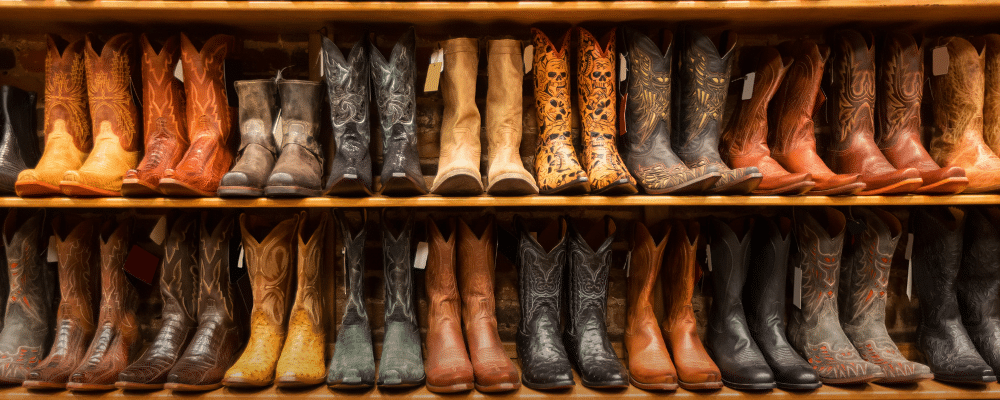
Western wear marketing trend

What This Means for Brands

With western wear and cowboy culture trending, brands that tap into this craze can find exciting new ways to connect with consumers. Much like Barbiecore in 2023, Cowboy Core has a cultural momentum behind it that can translate to campaigns across industries. Whether it’s incorporating rugged visuals into your advertising, using cowboy-inspired themes for product lines, or collaborating with influencers who embody the trend, there are endless ways to ride this wave.

The Takeaway: Texas Culture Goes National

What was once uniquely Texan is now a national phenomenon. The rise of western wear, cowboy culture, and Texas-inspired trends proves that the spirit of the Lone Star State has never been stronger. As brands continue to embrace this mainstream shift, it’s clear that Texas has officially gone nationwide (and we’re all better off for it!)

So, whether you’re a native Texan or just love the lifestyle, one thing is certain: Texas is here to stay, and it’s bigger than ever.

Partner With A Trusted Texas Marketing Agency

Interested in how your brand can tap into the latest trends? At MARION, we specialize in creating marketing campaigns that truly resonate. Get in touch with us today to discuss how we can help your business stay relevant!

Marketing emails you’ll actually want to read.

Get marketing tips and news sent to 
your inbox.

This field is for validation purposes and should be left unchanged.
Name(Required)

A Closer Look at Paralympic Games Marketing Campaigns

With the Paris 2024 Summer Paralympic Games, businesses have a chance to connect with global audiences through marketing, advertising, and branding. The Paralympics not only highlights incredible athleticism but also emphasizes the importance of inclusivity and diversity. For brands that share these values, this event offers a powerful platform to amplify their message and expand their reach.

Why the Paralympics Matter

The Paralympic Games have grown in popularity over the years, drawing millions of viewers worldwide. Paris 2024 will shine a spotlight on athletes who exemplify resilience and the human spirit. These Games go beyond sports — they celebrate diversity and inclusion, offering companies a unique opportunity to align their brand with these inspiring themes.

Inspiration from Past Campaigns

Check out these examples of Paralympic marketing campaigns from previous years.

Paralympics Marketing Campaign

Image Source

Toyota’s “Start Your Impossible” Campaign

Toyota’s “Start Your Impossible” campaign during the 2018 Winter Games is a great example of how brands can connect with the Paralympic spirit. By telling the inspiring stories of Paralympic athletes, Toyota highlighted values like resilience and inclusivity, making a powerful impact. This kind of approach could be a great fit for brands looking to stand out during the Paris 2024 Summer Paralympic Games.

Paralympics Marketing Campaign

Image Source

Citi’s “Stare at Greatness” Campaign

Citi’s “Stare at Greatness” campaign for the Tokyo 2020 Paralympic Games challenges perceptions by encouraging audiences to admire, rather than look away from, the achievements of Paralympic athletes. Launching globally on social media and featuring Team Citi, this campaign flips the script on how we view disabilities, turning what might be seen as a negative into a powerful, positive message of admiration and respect. By celebrating the strength and perseverance of these athletes, Citi is not just supporting the Paralympic Games — they’re also promoting a more inclusive and diverse society.

Marketing and Advertising Opportunities

  1. Inclusive Advertising Campaigns: The Paralympics is a great time to roll out inclusive marketing that highlights diversity and inclusion. Featuring Paralympians or people with disabilities in your ads can create a strong emotional connection with viewers. This not only shows your commitment to inclusion but also resonates with a wider audience that values social responsibility.
  2. Storytelling and Content Creation: Paralympic athletes have incredibly inspiring stories. Sharing their journeys through videos, social media, or blog posts can deeply engage your audience. Collaborating with athletes to tell their stories brings a human touch that can leave a lasting impact.
  3. Social Media Engagement: Just like with Olympics marketing, social media plays a huge role during the Paralympics. Engaging with your audience through live updates, athlete interviews, and behind-the-scenes content can build excitement around your brand. Using hashtags, challenges, and interactive content can also boost your reach and encourage user-generated content.

Aligning your brand with the Paralympic Games is more than just marketing — it’s about giving your brand a meaningful purpose. Consumers today are looking for companies that make a positive impact on society. By supporting the Paralympics, you’re not just promoting your products; you’re supporting a global movement that celebrates diversity and inclusion.

Start Your Inclusive Marketing Journey with MARION

Ready to make your brand more inclusive and impactful? At MARION, we’re here to help you create marketing strategies that resonate with diverse audiences and drive meaningful connections. Let’s work together to build a more inclusive future. Get started with MARION today.

Let’s get in touch!

Marketing emails you’ll actually want to read.

Get marketing tips and news sent to 
your inbox.

This field is for validation purposes and should be left unchanged.
Name(Required)