Category: Brand Development

Marketing Retainer vs. Project – How Do Marketing Agency Fees Work?

If you’re in the process of choosing a marketing agency, you will eventually need to enter into a marketing fee agreement. Marketing agency fees can follow several different formats, so make sure you know what to expect from the firm you’re considering.

You can choose to pay either a monthly retainer fee or pay per project. Understanding the advantages and disadvantages of each fee structure will help you decide which marketing fee agreement best suits your goals.

What Is a Marketing Retainer?

A marketing retainer is a monthly agreement between your company and a marketing agency. Each month, you agree to pay the agency a certain dollar amount in exchange for their services. The scope of their monthly services will be included in your retainer agreement.

Retainers are mostly used for long-term relationships and are not specific to any particular project. Retainers give agencies time to familiarize themselves with your brand and develop and optimize effective B2C or B2B marketing strategies unique to your organization.

Just like an on-call lawyer, setting up a marketing agency retainer agreement allows you to regularly tap into a wealth of expertise you don’t possess on your own.

How Does a Marketing Retainer Agreement Work?

Your business will sign a contract with your marketing firm that agrees on a monthly budget for a pre-determined range of services performed each month. For example, if you need social media marketing services, you will pay a social media retainer to an agency that specializes in organic and paid SMM.

After you communicate your marketing goals and objectives, it’s the job of the agency to build and execute on strategies that fall within the scope of the retainer to achieve them. A further benefit is that the agency is “on call,” meaning you are well within your rights to contact your marketing firm for in-scope additions, changes, or advice at any time.

The Benefits of a Marketing Retainer

Retainers tend to be mutually beneficial for both parties. Here are a few reasons why:

Benefits for your business:

  • Fast service
  • Predictable costs
  • Real and ongoing value
  • Leveraging the skillsets of specialists

Benefits for agencies:

  • More focus on your brand
  • Solid expectations and improved service
  • Greater control over strategy changes to best meet your goals

Marketing retainers allow agencies to internally adjust strategies so that they can best meet your goals. This is the most important insight in this article.

What does this mean?

Imagine you need to improve your organic traffic, and you’d like to optimize your website for search engines. You could take the following two approaches.

  1. Approach a marketing company for a three-month-long SEO audit that includes on-page optimization, building 10 backlinks, and publishing 50 local citations.
  2. Approach a marketing company for a monthly SEO retainer.

In the first approach, your agency might deliver exactly what was laid out in your project agreement, but your website’s rankings and organic traffic remain unchanged. You have thrown your money away.

In the second approach, your marketing firm will consider your goals, build a strategy to reach those goals and then execute each month to achieve them. In the first month, they might focus heavily on your on-page optimization. In month two, your firm establishes all local citations and begins building links to your website. In month three, your firm continues to build links and starts to publish blog content according to a rigorous content strategy.

To your marketing agency, your account was highly-unprofitable for the first three months. However, during month four and beyond, your firm spends less time on your account but continues to blog and build links consistently each month. This allows them to recuperate the profitability of your account while achieving your goals and making you money.

Stop paying for marketing services and start paying for RESULTS! Get a free marketing consultation today, and let our experts identify growth opportunities for your business!

This is the biggest difference between a marketing retainer and project. A retainer will allocate resources to achieve your goals, while a project will provide a deliverable that you’ve requested.

What Is a Marketing Project?

A marketing project is an agreement for a one-time deliverable to be completed within a specified time-frame at a set dollar amount. Where retainer agreements are better suited for long-term relationships, projects are ideal for short term or one-time needs.  For example, projects may include web design, mobile app development, logo design, or setting up a social media advertising campaign for your business.

While you could argue that most marketing agencies are designed for retainer relationships (it takes time to generate results in marketing), even marketing services can be categorized as a project if the campaign has a singular focus to achieve a specific objective.

How Does a Marketing Project Work?

project marketing agency fees

Projects are well-defined in scope. Deliverables are typically needed in a short timespan (usually three months or less), and the project does not need continuous attention after it has been completed.

For example, imagine your company requires a complete redesign of your website. You would turn to an agency that specializes in website design and development and pay a set price. Due to the short-term nature of the job the project will be billed at full price.

In some retainer relationships, project work that falls outside of your retainer’s scope is billed at a discount due to the promise of a long-term relationship which guarantees a monthly stream of income for the agency. For example, MARION offers highly discounted website redesigns and graphic design work for clients that are on a monthly retainer with us.

Benefits of Marketing Projects

Projects have several benefits that affect agencies and clients in the same way. Benefits include:

  • Ideal for single objectives
  • The budget is clear-cut
  • Generally shorter time frames
marketing retainer agreement

Choosing the Correct Marketing Agency Fees to Reach Your Objectives

Frankly, the marketing agency fees you decide to pay (retainer vs. project) will depend on what needs to be accomplished. Let’s look at a few key points to help you determine which choice you should make for your business.

3 Reasons to Choose a Marketing Retainer

If you meet one of the following three criteria, you should consider entering a marketing agency retainer agreement.

1. You Require a Broad Range of Services

In many cases, retainer arrangements require a broad range of services such as digital marketing, web design, and SEO services. With some projects, it can be difficult to define the scope and duration of services needed to accomplish the job.

Therefore, the responsibility falls upon the agency’s shoulders to determine which strategies are needed to accomplish your goals and objectives.

2. Your Timeline Is Longer than Six Months

Retainers are ideal for projects that require the ongoing services of an agency for more than six months. In most cases, retainers tend to last 1 to 3 years in length. During this time, your agency will typically be expected to perform a wide range of services.

3. Need Prioritization Over Projects

Some agencies will give prioritization to clients paying an ongoing retainer as opposed to those who simply come through the door on a project by project basis. This can put project clients at a disadvantage.

At MARION, we consider this type of prioritization to be immoral and bad for customers. We value and prioritize the goals of project and retainer clients alike.

2 Reasons to Choose a Marketing Project

How much should a company spend on marketing for one-time needs? The following two situations may indicate that you should opt for a marketing project vs. a marketing retainer.

1. You Have One-time Needs

If you have a project that needs to be completed one time, then a project is the ideal choice. As mentioned previously, examples of projects include rebranding, web development, and the initial setup for a social media advertising campaign.

2. You Have Short-term Deliverables

If you have deliverables that need to be completed in the short-term with a limited budget and timeframe, then paying per project is the right choice. The moment the deliverable(s) has been turned in, the project comes to an end and thus payment is required. To start a new project, you would have to sign a new contract.

Understanding How Advertising Agencies Charge for Services

As a business owner, you have the right to know how marketing agency fees work. Understanding the differences between marketing retainers vs. projects will help you make the right choice when you require the services of a marketing agency.

With so many marketing agencies to choose from, it’s difficult to sort out the good from the bad. MARION is an award-winning marketing company that offers a wide range of services for small businesses. Whether you desire a continuous relationship or a one-off project, we can help you.

Contact MARION today to learn more about our services and schedule a consultation.

Marketing emails you’ll actually want to read.

Get marketing tips and news sent to 
your inbox.

This field is for validation purposes and should be left unchanged.
Name(Required)

A Guide to Developing a Brand Strategy with Examples [+ Free Template!]
What Is a Branding Strategy?

Branding strategy (or brand development) is how you plan to build and define your business’s brand in a consistent manner. Your brand envelops more than just the visual aspects such as a logo, color palette, product, etc. It includes your reputation, how your clients feel about you, what your message is, and much more.

While the sheer number of factors can seem daunting, this simply means the possibilities are endless when coming up with your very own marketing and branding strategies.

Does Your Business Need a Brand Marketing Strategy?

Creating a brand strategy is a big commitment. How do you decide if it’s worth the time and effort?

Curating a brand that grows stronger over time is something a business can possess indefinitely. It can become one of the most powerful assets if your brand is able to immediately evoke strong feelings of emotion or familiarity. However, this doesn’t happen overnight- a good market branding strategy eschews short-term goals with long-term goals in mind.

Taking the time to develop your brand is essential if you want to reach as many potential clients as possible. Even if your products and services are stellar, your competitor with a superior brand development strategy is tapping into your potential audience and earning their loyalty before they’re even aware you exist.

If you’re still looking for the right branding agency in Austin or Houston, contact MARION for a free consultation today.

How to Develop Your Brand Strategy?

The brand development process is different for each business, but there are core things that you can begin with.

Here’s a general brand strategy template to help you get started on brainstorming. Let’s go over each box with some brand development examples.
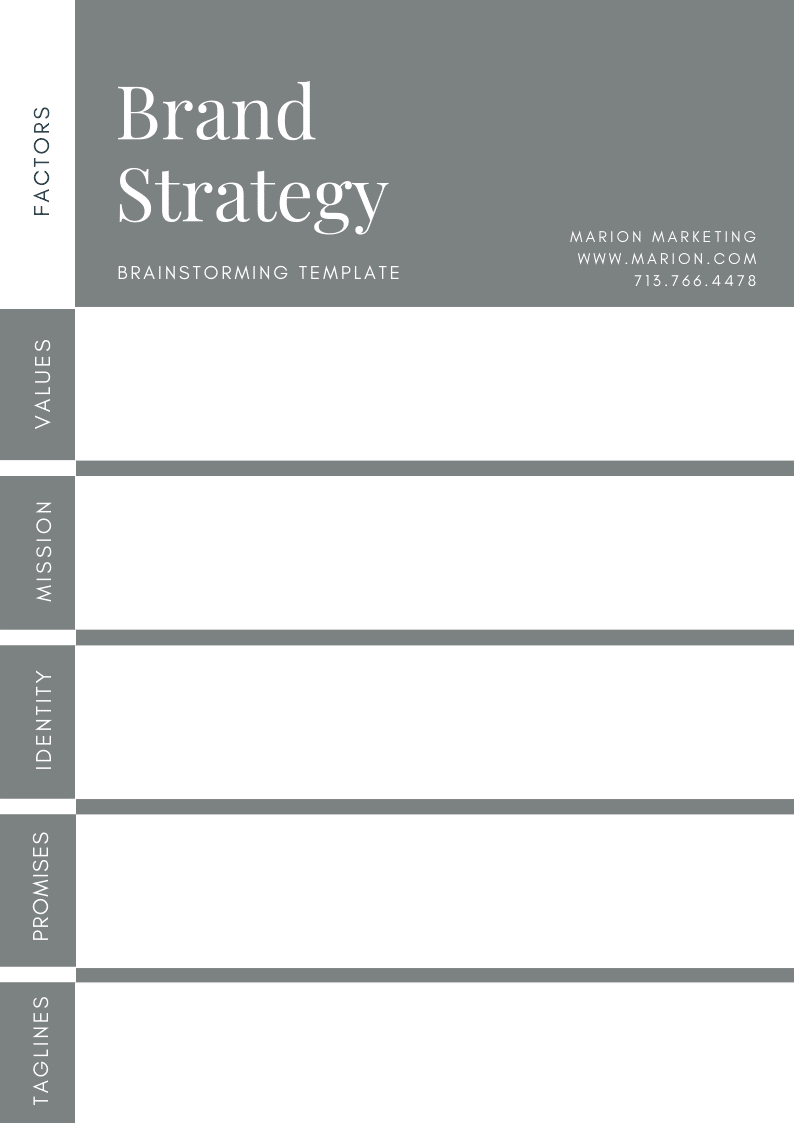
brand development strategy template

Brand Values

Your brand values consist of what makes your company relevant and unique to your desired customers. Think about what they are drawn to and how your company can offer that value better than your competitors.

JPMorgan Chase provides their values on their corporate website on a page labeled “Business Principles.” Each of the four values has their own page with even more sub-values to explain each principle in-depth. There is also a handy document link on the right side where you can view it all on one concise page.

By doing this, JPMorgan Chase is showcasing their values in order to exude professionalism, business expertise, and efficiency. Their core values are built out extensively and guide the way their business is run and how their customers perceive them.
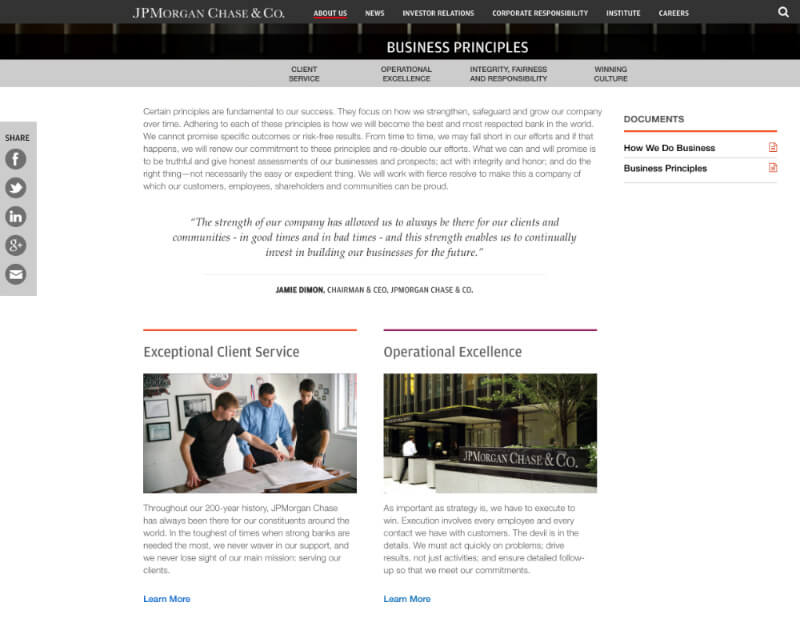
brand marketing strategy

JPMorgan Chase

Brand Mission

Your brand mission is the reason your company exists or the thing it is working towards to achieve. A compelling enough mission will resound with people immediately and attract them towards your business.

Patagonia is an excellent example of a well-executed brand mission. Their bold statement that “we’re in business to save our home planet” resonates deeply with their target consumers and a wider range of people, as well. All of their business practices reflect this mission.

One of the most successful endeavors to prove their mission is Worn Wear, a program where customers can trade in used Patagonia clothing or buy refurbished items in an effort to promote sustainability and lessen consumption. This is an example of how you can use your mission to build your company.
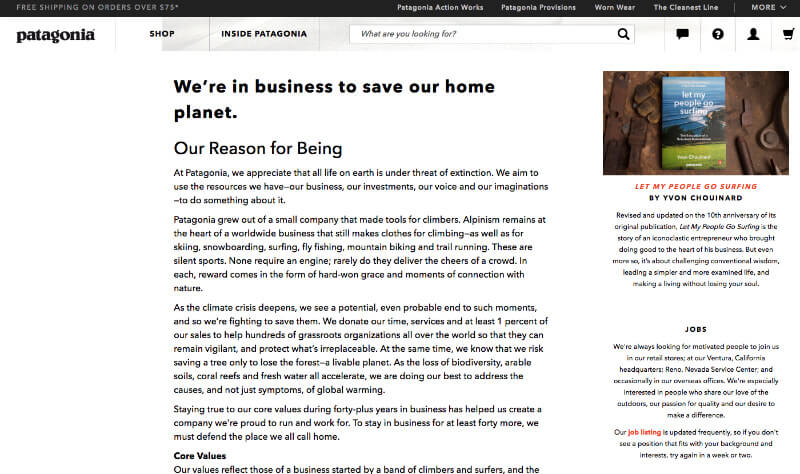
brand strategy template

Patagonia

Brand Promises

Brand promises are what your company vows to do for its customers. Keeping your promises lends a sense of trust to your audience, which creates a long-lasting bond.

For help with this facet of branding in Houston or Austin, feel free to contact MARION today.

The Honest Company has an entire page dedicated to their “standard”, where they go through each guarantee and how they plan to deliver each promise.
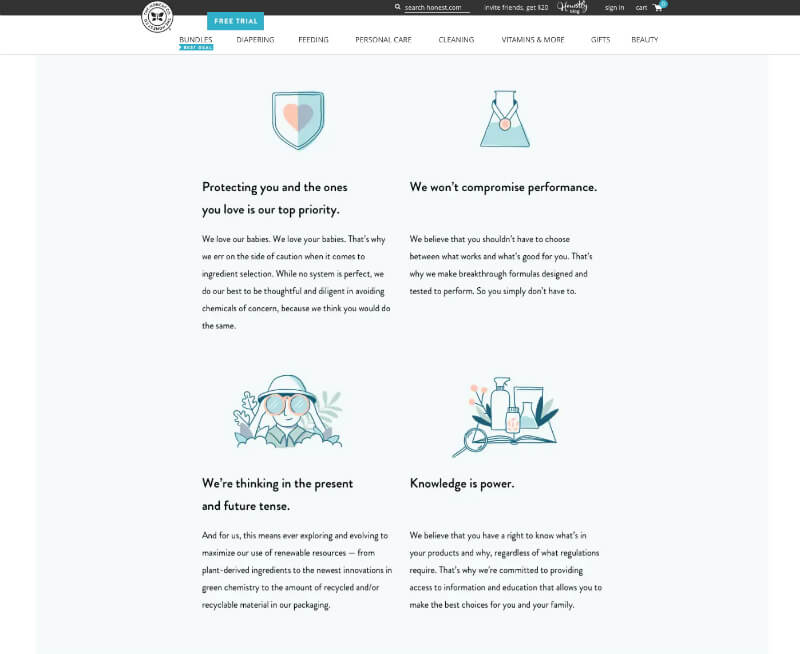
marketing and brand development

The Honest Company

Brand Identity

Brand identity is all the visual elements of your brand that convey who or what your business is. Use the template to start thinking about how you want your brand to be perceived through its website, graphic design, logo, advertisements, products, etc.

Apple’s identity is one of the best examples of all time when it comes to branding strategy. Their advertisements aren’t bogged down with technical details or a long list of features. Apple went the opposite way and created an identity where their brand evokes creativity, innovation, rebellion, and a modern lifestyle. Their sleek products and simple but artistic messaging have created one of the most loyal groups of consumers.

how to build a brand strategy

Think Different

Brand Taglines

A brand tagline is a concise and powerful phrase that effectively communicates the essence of your brand. A tagline is more long-lasting than a slogan and defines the entire company. You want your tagline to be catchy, short, believable, and unique. When done right, these factors will help evoke emotion in just a few words.

Here are some examples of iconic and memorable taglines:

  • Apple: “Think Different”
  • Nike: “Just Do It”
  • McDonald’s: “I’m Lovin’ It”
  • DeBeers: “A Diamond Is Forever”
  • KFC: “Finger-Lickin’ Good”
  • Skittles: “Taste the Rainbow”
  • Disneyland: “The Happiest Place on Earth”

Here are examples of newer, but creative taglines:

  • Casper: “The Best Bed for Better Sleep”
  • Travelocity: “Wander Wisely”
  • Dollar Shave Club: “Shave Time. Shave Money.”
  • Spotify: “Music for Everyone”
  • Wayfair: “A Zillion Things Home”

Brands are constantly evolving, so don’t feel like your choices are set in stone. You can reevaluate your brand building strategy whenever your goals shift by tweaking a little bit of each of these factors. As your company grows, so will your audience so it’s a good idea to stay flexible, anyway.

Need a Brand Development Firm?

You don’t have to navigate the brand strategy development process alone. MARION is a top marketing agency that has been helping Houston and Austin businesses for over 30 years. Our branding agency in Houston can help craft a unique and effective brand development strategy for your business.

Contact us today to schedule a consultation about building and growing your brand.

Marketing emails you’ll actually want to read.

Get marketing tips and news sent to 
your inbox.
This field is for validation purposes and should be left unchanged.
Name(Required)

Why Founders Being the Company Face Can Be Harmful

Most companies benefit when a strong and reliable face can represent their business. In most cases, this is a good thing. However, at other times the face of the company can come under scrutiny that negatively positions the organization in the eyes of the public.

These issues can be amplified when the company face is one of the founders or the sole founder of the company. Since the founder of the company is often tied to the history of the company, potential problems can arise depending on the actions of the said founder.

Following are some of the problems that can arise when an organization’s founder is the face of the company.

Three Issues with Founders Being the Face of an Organization

When the founder is the face of a company, it generally means that the company came about with the founder’s name as the cornerstone. Some examples of such companies would be the Musk Foundation and Papa John’s pizza chain. This does not mean that it is inherently bad to have a founder as the face of a company.

These companies were built in part on the name, history, and charisma of their founders. As such, their names and individual actions are intrinsically tied to the success and failures of the company.

1. Founders Can Cause a Marketing Headache

founder as face of company

Having a personable face when dealing with a small company can be useful. For small businesses, having the business tied to a name can help with repeat business because of a more personal relationship. But, if the company gets too large, there can be roadblocks and growing pains that impact this relationship.

One of the biggest issues is when the founder decides to resign or is forced out of the company they helped start. This may go unnoticed for other companies that are managed as a group and headed as such. For instance, if Google were to lay off their CEO, it may be a decent blow to the company, but it wouldn’t put the company in danger because there is no single representative.

For companies that use their founder as a figurehead, there can be significant harm when the founder resigns or is forcibly removed. This is because the public perceives that the person running the show is gone, and the company will be less effective as a result.

Stakeholders wonder how the company can stay afloat without their founder. Even though this isn’t usually true, and almost all large-scale companies have large teams of advisors, management, and other such groups, some don’t see anything except the founder.

In turn, this can hurt the marketing value. People that see a founder step down when they were the face of the company will be less willing to invest in new ideas set forth. They may see it as too much of a risk because they know relatively little about the other members of the teams in the company. It can take substantial time to regain the advertising strength a company had after a founder leaves.

2. Things Get Personal

Statements and actions of a company’s founder reflect on the entire company. Because the market value of the company is reliant on the company front man, the founder is put under a microscope. A simple remark at a holiday party or an exposé of a high school prank could cause significant damage to the company’s financial health.

For instance, Papa John’s recently went through a huge controversy involving the company’s founder and figurehead, John Schnatter. A racially charged remark from Schnatter during a May 2018 media-training conference was leaked to the press.

Although this by no means reflects on the entire company, because of his actions and how Schnatter’s name is at the forefront of the Papa John’s, the entire company experienced a negative impact from the media, and in their stock value. The company was quick to quell this disturbance by publicly rebuking Schnatter’s actions.

problems with founder as face

Similarly, Tesla share prices took a hit when Elon Musk reportedly smoked marijuana with Joe Rogan during a podcast interview. Musk also had his Twitter privileges taken away and received a $20 million fine and other sanctions from the SEC over a tweet that impacted the market-value of the company’s stock shares.

Because Musk is the sole face of the company, any of his actions can reflect onto his company. These can be personal actions and statements, or company moves that aren’t entirely under his control.

3. The Founder May Not Be the Best for the Job

From production lines to business management or advertising, a company front man will generally be seen as someone that influences all operations. However, sometimes a founder might not be the right person for the job.

According to the team at Emyth, a founder usually has three business personalities. These are the:

  1. Entrepreneur
  2. Manager
  3. Technician

In many cases, founders are stronger entrepreneurs and technicians than managers. Having a great idea and having advanced knowledge of a company’s product or service doesn’t always position a founder to lead a team. Allowing them to do so can lead to mismanagement and low company morale that holds the organization back.

MARION is an Austin and Houston marketing agency that can help you create a holistic strategy that won’t leave your company vulnerable. We offer company branding services that can steadily improve the return on your marketing investment.

Contact our team today for a consultation that will identify how we can help your business grow!

Marketing emails you’ll actually want to read.

Get marketing tips and news sent to 
your inbox.

This field is for validation purposes and should be left unchanged.
Name(Required)

Top Podcasts for Houston and Austin Business Owners

Let’s be honest, traffic in Houston and Austin can be a bear.

You live in Katy and work downtown Houston?

Sitting in traffic on I-35 at 7:30 in the morning?

You spend so much time stuck in traffic, you might as well put that time to good use. Exercise your brain and make your business, and life, better.

This is where podcasts come in handy. As technology has improved, more creators and producers have jumped into the podcasting space. Along the way, podcasts have gotten better.

More informative. More niche. Better production. You get the idea.

Here are our top business, marketing, and local podcasts to listen to on your long Houston or Austin commute — or while you go on a jog, ride your bike, whatever. Maximize your time and fuel your brain with these top picks from the MARION Marketing Agency.

Top Business Podcasts

top business podcasts

HBR IdeaCast – Harvard Business Review has had their long running IdeaCast, and it’s one of my absolute favorites. Sarah Green interviews top executives from large business and industry giants on a range of topics. It’s well produced and highly informative.

Inside LaunchStreet – A podcast on innovation with Tamara Kleinberg. Ensuring that your business is growing and innovating, whether through product, service, or culture, is a sure-fire way to get to the top of your industry.

Outside In – I love the approach of this podcast because it gets at the heart of how business can attract customers in this day and age. Put your customers first! Interviews with leaders from business, media, and academia discuss how consumers are changing and how businesses need to create a customer-inspired organization.

Business Wars – As the name suggests, in business there are sometimes winners and losers. Big brands battle each other for customers, dollars, and brand attention. David Brown hosts this amazing podcast with insights into what drives leaders, investors, and executives to new heights – or to ruin.

How I Built This – Guy Raz weaves great stories that take you through the journeys of some of the biggest innovators, entrepreneurs and idealists. This is how you turn a company or a brand into a movement.

Best Startup Podcasts

great business podcasts to listen to

Mixergy – In this startup and tech podcast, Andrew Warner interviews founders who have built successful companies. Guests can expect Warner to ask hard hitting questions about mistakes and revenue and does an amazing job of pulling back the curtain.

StartUp – From Gimlet Media, who puts out amazingly produced podcasts, comes a comprehensive look at what it’s “really like” to launch and run a startup. This is binge worthy.

Entrepreneur on Fire – With thousands of interviews from large and small companies alike, John Lee Dumas delivers the goods. If you’re looking for inspiration and strategies on getting your company to the next level this podcast is for you.

Masters of Scale – Want to learn how companies grow from zero to billions? This podcast, hosted by Reid Hoffman, has you covered. One of the things I love about this podcast is their commitment to a 50-50 gender balance for guests. We need to hear more from women who are doing amazing things and how they did it.

The Pitch – Another entry for Gimlet Media, and they do not disappoint. If you need funding for your next growth stage, this is where you get the insights to land your next seed round. The information is powerful and candid. I’m always amazed with this podcast.

Top Marketing Podcasts

best small business podcasts

Marketing Over Coffee – I start my day with coffee. And marketing. You should as well. John Wall and Christopher Penn discuss what’s new and trending in the marketing industry. You’ll be informed and inspired.

Duct Tape Marketing – You want your brand to be sticky. John Jantsch delivers interviews with thought leaders, experts, and authors on marketing and branding topics where they share their stories, tactics, and marketing secrets. This is on my must-listen to feed.

I Love Marketing – From the brilliant minds of Dean Jackson and Joe Polish, this podcast has been running steady for over 15 years! Was podcasting even a thing back then? It was, and they were. Marketing ideas from direct mail, lead generation, getting referrals, marketing psychology and more.

The GaryVee Audio Experience – If you’ve been around video and podcast space long enough, you’ve run into any one of Gary Vaynerchuk’s many content pieces. From marketing, branding, social media, to business and hustle he covers it all. He’s passionate and thrilling.

Social Pros Podcast – Social media marketing is still something that many business owners have trouble understanding. Jay Baer and Adam Brown break it down by interviewing real people doing real work in social media.

Top Houston Podcasts

#TwitterSmarter Podcast – Host Madalyn Sklar interviews social media powerhouses on working smarter, not harder, in social media marketing.  From tools and software, to tips and tricks, you’ll be an influencer in no time.

No Permission Needed – Ozeal interviews remarkable minds in business and self-development. This uplifting podcast will find you inspired and educated. This is the boost you need to get through the week.

The H – Luke Brawner interviews Houstonians. It’s a mixed bag that gives insight into what it’s like to live and thrive in Houston. With two seasons in the books, I’m looking forward to seeing this podcast grow an audience and thrive.

Working Wisdom – From C. T. Bauer College of Business at the University of Houston, this podcast focuses on work, life, and everything in between. You’ll find inspirational and practical tips on work/life balance and more.

Shrimp Tank – Admittedly, this was a new discovery for me as I was researching Houston based podcasts. Roundtable style interviews with business owners, many of whom are based in Houston, TX. I’m diggin’ the local love.

Top Austin, TX Podcasts

I Love You So Much – Looking for great things to do in this amazing city? This is your audible journey into Austin’s pop-culture and lifestyle. You’ll discover great gems that help you get the most out of being an Austinite.

The Feedbak – Navigating the ever-changing Austin scene can be daunting. A city that is growing this fast means you need a guide. This podcast is your guide to live music, festivals, and other entertainment options.

I Love Queso So Much – I cannot stress the importance of this podcast. It is life. Because queso is life. Their goal is to review every queso in Austin, one podcast at a time. May the gods bless them on their noble journey.

No Agenda – Adam Curry and John C. Dvorak have been doing this longer than anyone in the podcast game. They are podcast gods. It’s not for everyone, but everyone should try a few episodes.

Cool Things Entrepreneurs Do – Thom Singer interviews business owners on various topics from goal setting, marketing, sales, networking and more. It’s a smorgasbord of inspiration and information designed to help you get unstuck.

Did we miss one of your favorites that deserves to be on the list of best podcasts to listen to? Leave a comment or shoot me an email.

Marketing emails you’ll actually want to read.

Get marketing tips and news sent to 
your inbox.

This field is for validation purposes and should be left unchanged.
Name(Required)

3 Ways Graphic Design Affects Your Business’s Bottom Line

You work hard to provide quality products and services to the marketplace, but in our visually busy culture, it’s not easy to capture the attention of potential clients. We’re relentlessly surrounded by promotions contending for our recognition on a daily basis. The marketplace is overcrowded with products, and this results in an enormous amount of competition for customers. And let’s be honest — many of the promotions out there contain sub-par design that just gets lost in the clutter.

With all of the options available to consumers, quality graphic design just might be the difference that can help communicate your message effectively and separate your business from the competition. Alternatively, inferior graphic design can communicate a message of apathy or disinterest in presenting a product in the best possible light. Quality graphic design can help connect your business with the intended audience, and in turn, increase sales.

If you need help taking your design to the next level, contact Austin graphic design firms like MARION for a quote today!

3 Ways Quality Graphic Design Can Help Impact Your Bottom Line

Graphic design is an investment. Learn about these three ways that graphic design positively impacts your bottom line.

Consistent Branding

When properly leveraged, brand recognition is a valuable tool that allows the audience to identify a business and its products by simply seeing the logo, color scheme, tag line or other notable elements of the brand. A consumer’s ability to recognize or recall a brand is essential to purchase decision-making. A business transaction cannot happen unless a consumer is first aware of a product. And remember, developing a brand extends beyond your logo.

graphic design bottom line

According to the American Marketing Association, A brand is a name, term, design, symbol, or any other feature that identifies one seller’s good or service as distinct from those of other sellers. In other words, don’t neglect the other parts of your advertising efforts — including your website design, print or digital advertising, print collateral, or anything else a potential or existing client may see.

Communication

You have identified a specific need in the marketplace. Clearly delivering information about your product is key in sparking consumer interest. A clear exchange of information may be difficult in an overcrowded marketplace, but quality visuals through imagery or graphics, when properly executed, can help communicate a message more clearly than words alone.

Effectively and persuasively communicating relevant information to your audience about your products and services will inspire consumer confidence. You have identified a specific need and are able to provide a solution to that need — this will impact your bottom line. If you’re not the one doing the graphic design work, make sure you know how to write a graphic design brief so your designer can communicate the appropriate message!

User Experience

If a potential client has identified your company as one qualified to provide the product or service they need, they will more than likely visit your website to learn more about you before they make a call or visit. But an opportunity to achieve instant credibility and trust will be lost if you have a poorly designed website.

building a better brand

Your website must be mobile-friendly, visually appealing, uncluttered and brand consistent. According to www.socpub.com, 57% of users say they won’t recommend a business with a poorly-designed mobile site.

Remove everything that doesn’t help convert a visitor to follow through on the call-to-action.  Easy website navigation is a must, especially on mobile devices. A poor mobile device presence can make your organization look unprofessional and out of touch with the modern consumer. Have your site optimized for mobile to make the right impression.

The Takeaway

You may have your competition beat by having the best products and services available — but is your business getting noticed, or are your advertising efforts falling flat because of low-performing, inferior graphic design? Is your branding consistent across all media, print and digital? Has your website been updated recently, and is it user-friendly, responsive, and quick-loading on mobile devices?

These issues can make your business look inconsistent, out of touch, and cost you clients. You don’t want your credibility and reputation to be damaged because of poor graphic design.

At MARION, we take graphic design in Houston and Austin seriously! We deliver quality at a level that most marketing and advertising agencies in Houston can’t match! We are certain we can provide you with graphic design you can be proud of, will be recognizable and distinct, and will present your products and services in the best possible light.

Check out our work portfolio and contact us today for all of your graphic design needs.

Marketing emails you’ll actually want to read.

Get marketing tips and news sent to 
your inbox.

This field is for validation purposes and should be left unchanged.
Name(Required)

6 Logo Design Basics – How to Create a Good Logo for Your Company

If you want an instantly recognizable symbol that represents your brand, you need a logo. But most business owners don’t know all the logo rules, making it hard to create the perfect visual representation of their brand. So, what should a logo contain?

6 Tips on How to Create a Good Logo

It’s time to learn the main logo design considerations before you create (or recreate) this marketing essential. Here are the top logo design best practices to follow for a stunning final product.

1. Get Everyone Involved in the Logo Design Process

how to develop a logo concept

You want everyone at your company to feel good about the logo that represents your business. The easiest way to do this is to create the opportunity for everyone in the office to provide input. Not only are they more likely to feel proud of a design they helped create, but you’re also going to need everyone’s ideas in the first place.

As you start on the logo design essentials, schedule some brainstorming sessions with employees. This is a chance to collect input on the shape, color and other things to consider when creating a logo. You can even ask employees to sketch out their logo ideas, so you can decide which ones to further develop.

2. Be Sure Your Logo Fits Your Industry

Maybe you feel your new logo describes your company, but does it work in your industry? If you’re in a serious or professional field, make sure your logo reflects that. If you’re in a casual or lighthearted field, your logo can be a little more playful.

For example, if your business is a funeral home, then a pink, bubbly logo with a happy face isn’t appropriate. But if you sell cotton candy or ice cream, pink and bubbly is more likely to be on target. Consider the logos of the other businesses in your industry to get an idea of how serious or playful you can get as you learn how to design an effective logo.

building a better brand

3. Keep the Logo Simple

One of the most important logo design essentials to keep in mind is to stay simple. The most effective logos are simplistic, not complicated and hard to remember. You want your audience to immediately identify your company from the logo alone, and a complicated design doesn’t allow for that.

Think about some of the most famous logos and how simple they are, from the Nike swoosh to the Target bulls-eye. Keep this in mind as you work on figuring out how to develop a logo concept. If you’re having trouble with keeping things simple, you might benefit from MARION’s logo design services, so learn more about how we can help.

4. Choose the Right Colors

how many colors should a logo have?

Color is another one of the logo design basics to consider throughout your logo creation process. Thanks to color theory, the colors you choose will affect how consumers see your brand.

For example, blue is a shade that many well-known companies use to be viewed as reliable and professional, because that’s the impression this color leaves in the minds of consumers. On the other hand, restaurants are more likely to use red, since this shade has the power to make people hungry. Additionally, yellow and orange are good for grabbing your viewer’s attention, while green signifies money and growth.

How many colors should a logo have? One to three colors is a good range, since you don’t want to complicate the logo with too many colors. Some other logo rules and regulations include:

  • using shades that are near each other on the color wheel
  • avoiding super bright colors
  • ensuring the logo looks presentable in grayscale or black and white

5. Make Sure Your Logo Looks Good at Any Size

Your logo will be resized multiple times over the years, and you need it to maintain its high quality whether you shrink it or enlarge it. As you determine how to create a good logo, test it out at different sizes.

You might need to scale it down to fit on print collateral like an envelope or even a promotional pen or button, so make sure it’s still clear and recognizable at its smallest. And you might need to make it larger to fit on a poster or television ad, so enlarge it and print it out before you decide it’s the perfect logo for your brand.

When you go with MARION’s Houston logo design services, we’ll create vector logo concepts that look good at any size so you don’t have to resize it yourself.

6. Pick the Right Font

logo typography tips

If your logo will include letters, you’ll need to choose which font to use. No list of logo design rules would be complete without some logo typography tips.

To start, decide if you’ll use a serif, sans serif or script font. Note that serif fonts are often seen as professional or even academic, while sans serif fonts give off a fresh feel. Many popular script fonts have a classy look, though some look casual.

You’ll have to test several fonts to get an idea of what best suits your brand as you consider logo design best practices for your industry. If you can’t find anything that works for you, think about having a custom font made. This concept has worked for companies like Coca-Cola. But no matter which font you choose, make sure it’s legible when you scale it down.

Find a Design Firm That Follows the Logo Design Basics

Now that you know some effective logo design tips, you can start the process of coming up with a logo for your company. Of course, this can be a difficult task for someone trying to run a business at the same time, so it’s best to call in a professional marketing firm in Houston when you need a custom logo for your company.

Contact MARION for a quote today if you’re interested in our logo design services!

Marketing emails you’ll actually want to read.

Get marketing tips and news sent to 
your inbox.

This field is for validation purposes and should be left unchanged.
Name(Required)

Creating a Brand Name for Your Business

When it comes to creating a brand name for your company you have to be very picky. Frankly, if you go with the first choice that pops up during a brainstorming session, you’re probably asking for trouble. Your brand name is an extension of your business. That means the name you choose needs to properly represent the value you’re providing with your product and/or service.

How to choose a brand name

Let’s look at a few tips on how to create a brand name for your business and the most common mistakes you should avoid.

Figuring out whether you need to hire outside help

Creating a brand name for your company takes a lot of creativity. With so much competition out there, branding a business name is harder than ever before.

If you have the creative firepower and strategy in place when it comes to creating a brand name, you certainly don’t need outside help. However, hiring a qualified and well-experienced agency that understands the importance of a brand name will ensure that you make a well thought out and relevant decision.

There are no guarantees that the ideas of an agency will be better than yours, but if you find an agency that has a track record of offering effective branding consultancy services, you can rest assured they have a process that works.

Create numerous potential names

It doesn’t matter how good you think your first choice is, you should generate numerous potential names for your brand. Nothing is more disappointing than finding a brand name you love only to find that the URL has already been purchased by someone else. Gather a group of people and brainstorm until you’ve spent all of your creative energy. Then you can begin to sort through your choices objectively.

creating a brand name for business

Throw away names that don’t reflect your brand

A name may sound clever, but you must ask yourself if it reflects your brand. Choosing a brand name for your company requires that you take a long, hard, objective look at your mission statement. Does your brand name reflect your goals? It’s crucial that you remain objective when naming your brand.

Testing your business’s brand name

Just because you’ve chosen a name that sounds great to you and your team doesn’t mean it’s a home run. Just like anything worth doing in the business world, you’re going to have to put it through a rigorous testing phase.

Here are the questions you need to answer when testing your brand name:

  • Is your name easy to remember?
  • How well does it sound when spoken aloud?
  • Is your name confusing?
  • How easy is it to spell?
  • Does it reflect your brand?
  • Is there a URL available for your name?

If your brand name fails your testing phase, you should seriously reevaluate going back to the drawing board. You should never grow too attached to any single name during the testing phase because it will be that much harder to throw it out if it doesn’t fit.

Here are a few more tips you should incorporate when creating your brand name:

  • Avoid inside jokes or puns that only you and a few friends understand. If it can’t be understood by everyone, don’t use it.
  • Avoid appending “Inc.” to the end of your name unless you’re actually incorporated.
  • Pick a name that customers can emotionally connect with, such as a name that invokes a pleasant experience or memory.
  • Try to avoid a ridiculously long name.

Creativity is your best friend

The most daunting aspect of choosing a brand name is making a choice that hasn’t been taken already. There are millions of businesses out there that have claimed the rights to every niche word that you can think of. Therefore, creativity is going to have to be your best friend as you figure out how to pick a brand name.

During the brainstorming process try to look for a brand name that communicates the message of your business in a clever way. For example, the shoe company “Reebok” is simply an alternate spelling of rhebok, an antelope found in Africa. As we all know, antelopes are known for being swift, which is precisely the message Reebok wishes to communicate to its audience.

Another great example is “Lego” which originates from the Danish phrase leg godt, a term that means “play well.” Clearly, Lego’s brand name does a great job of communicating their mission statement.

building a better brand

Mistakes to avoid while picking a brand name

We’ve already glossed over a few mistakes to avoid while choosing a brand name, but we have yet to talk about the major mistakes that could get you into trouble if you make the wrong choice. Let’s look at some of the most common mistakes that businesses make when figuring out how to choose a brand name.

Taking on a local name

It’s quite common for new businesses to take on the name of the city, state or region where they’re located. For example: “Inland Empire Air Conditioning.”

The Inland Empire is a region located in Southern California, about an hour away from Los Angeles. That name might work while the company is small and contained within the Inland Empire, but what will they do when they wish to expand into other regions and counties? Their name will become a hindrance because customers will assume they only serve one area.

Choosing an obscure name

Reebok and Lego are great examples of companies that were successful at transforming ambiguous words and phrases into a successful brand name. However, “Reebok” and “Lego” are easy to spell, comfortable to say, and memorable to say the very least.

Naming your company “we’re the best” in ancient Greek may sound great on paper, but does the actual word or phrase sound intuitive when spoken out loud, or does it cause confusion? Most people won’t waste their time trying to figure out your “special message” and will simply move on to another business.

Picking a boring name

You certainly don’t want to be too obscure, but you’re still going to have to be creative. There’s too much competition out there to go for a flat, boring name. Keep in mind that if you’re the leader in your niche, you can be as plain and flat as you like.

Take Bank of America for example. That’s a straightforward name, but they’re at the top of the pack in the banking industry so they can get away with it. You will have to be more creative.

Not willing to change a name that doesn’t work

We’re all human and we make mistakes, but you must be willing to accept the fact that you might choose a name that simply doesn’t work for your business. Are you willing to change that name even if you’ve grown attached to it? If not, your stubbornness will hurt you in the long run.

It all comes down to removing your emotions from the equation. Pick the name that will effectively communicate your company’s message and be willing to change what doesn’t work. Otherwise, you’ll have to live with your mistakes which would likely be to the detriment of your business.

Knowing how to choose your brand name is just the first part of the equation. If you’re ready to build a lasting brand to represent you across all mediums, you’ll need a qualified full-service marketing agency that has a long track record of developing successful brands.

MARION has a qualified team with years of accumulated experience dedicated to creating successful marketing campaigns and developing brand names that effectively communicate the message of your business. We offer marketing strategy, logo design, SEO services and other key elements to take your business to the next level.


To learn more about how MARION can help you accomplish your business goals, contact us today!

Marketing emails you’ll actually want to read.

Get marketing tips and news sent to 
your inbox.

This field is for validation purposes and should be left unchanged.
Name(Required)


Your Outdated Print Collateral Is Bad for Business

Too many brands change their social media and web content daily, even multiple times daily, but forget about old, outdated print materials.

What Is Print Collateral?

Print collateral is physical marketing items like branded letterhead, business cards, brochures about products and services, fliers, direct mail pieces, branded folders, business signage, and similar material. Print collateral for some online businesses is deemed obsolete, but some business models still rely heavily on it.

Print collateral has excellent staying power. That may be its greatest strength but can also prove to be the source of your toughest marketing headache.

You may be tempted to expend less effort on your print collateral or go paperless altogether.  Despite cries that print is dead, high-end brands are spending up to three-quarters of their ad spend on print. If you’re in need of Austin or Houston graphic designers to update these valuable assets, reach out to MARION today.

Reasons to Update Your Print Collateral

When you go to a conference or event of any kind, one of the questions you hear over and over is, “Do you have something I can take with me?” In old world sales, that used to be called a dodge. That’s not true anymore. In the new world of collaborative buying groups and complex customer journeys, print collateral has returned to prominence as a critical tool for sustaining brand messaging at the top of mind.

1. Business collateral has dial up engagement.

Blogs and websites featuring numbers, images and bullet points tend to get more traffic because people are going over them quickly, according to research by San Jose University. “The screen-based reading behavior is characterized by more time spent on browsing and scanning, keyword spotting, one-time reading, non-linear reading, and reading more selectively,” said research lead Ziming Liu.

If you want prospects to spend more time and consider your value proposition more carefully, put it in print. MARION’s graphic design in Austin and Houston can help!

2. You can’t afford to send the wrong message.

Today’s consumers consider channels to be irrelevant. They see brands as a single entity that they interact with in-store, online, on mobile, or in print. 60 percent of millennials surveyed expect a consistent experience from brands across all channels, so a mismatch between print and online messaging registers as a mistake. Your buyer personas will change and evolve over time. Make sure you apply your market research to all of the messaging going out and that they share a unified message.

3. Aging marketing materials can damage brand reputation.

The CMO Council found that 70 percent of companies surveyed had no tools in place to track the obsolescence of their marketing materials. 40 percent of respondents said they waste at least a fifth of their marketing budgets on out of date materials. This not only makes your company less competitive, but it may also be working counter to your existing messaging. If customers don’t know where you stand, they will simply move on.

4. The quality of marketing materials indicates the quality of the brand.

An exhaustive study of the meaning of “quality” at MIT revealed that a majority of consumers are dissatisfied with existing levels of quality in what they buy and business managers ranked “producing to high-quality standards” as their No. 1 current concern. Researchers explained that “Because consumers do not always possess complete information about a product’s attributes, they must frequently rely on indirect measures when comparing brands.” Marketing materials are the earliest, and sometimes only way prospects have to evaluate the quality of the brand.

Contact MARION today to get a quote on your upcoming print marketing collateral.

Focus on Updating These Marketing Collateral Items First

what is print collateral?

1. Business Cards

First and foremost, update those old business card designs.  Quite possibly the most used piece of print collateral in your arsenal, your business cards will quite often be the first interaction a person will have with your brand.  Make sure it’s a good interaction.

print collateral design

2. Leave-Behinds

Your leave-behinds can come in many forms but are characterized by the fact that it is collateral you leave with someone expecting that they will return to it at some point.  Ensuring that your leave-behinds are clear, self-explanatory, and on brand can drastically alter their effectiveness.

print marketing collateral

3. Print and Outdoor Ads

Are your print or outdoor ads a couple of years old or older?  Then it’s time to update.  Good marketing is visually different today than it was a couple of years ago.  True, there are timeless marketing principals at play in constructing your ad.  And perhaps it was well constructed.  But the bottom line is that if the overall ad feels dated, then it’s effectiveness will dwindle dramatically.

print marketing material merchandise

4. Promotional Items

Perhaps this should be at the top of your list; perhaps it belongs at the bottom.  Depending on how often you use it and how it plays into your overall marketing strategy, updating your promotional items could be the most important print collateral for you to focus on.  Almost nothing in marketing is more of a reflection of your brand than the promotional products that you use.  High quality, well designed promotional items represent a strong brand, while we just call the other stuff “tchotchkes” and throw them away.

The Take-Away

The takeaway here is that outdated or poorly designed print collateral is bad for business, especially in the fast-moving digital world where completion may be only a finger-swipe away. Give your customers a consist, reliable experience across channels to earn their loyalty. The rewards in engagement and referral traffic are more than worth the extra effort.

Work with a brand style guide to ensure that all of your collateral, regardless of the channel is on message and on brand.

Finally, approach all of your collateral with the same mindset.  You are trying to translate your brand into an item, whether physical or digital, that an individual will interact with.  This interaction with your collateral will either build brand affinity or brand wariness.

If you are working without an in-house designer or design team, try to work with a multi-faceted outbound AND inbound marketing agency to help with both your digital design and providing your print design services.  Working with the same firm is a great way to ensure consistency in look and feel across all marketing mediums.

Marketing emails you’ll actually want to read.

Get marketing tips and news sent to 
your inbox.

This field is for validation purposes and should be left unchanged.
Name(Required)

Does Your Business Need a Brand Story?

Everybody loves a good story. From fairy tales to legends, a story told well captures the imagination, compels us to learn more and most importantly, is etched on our minds for a long time after we hear it.

It should come as no surprise that brands large and small have started to take advantage of storytelling in their marketing strategies. From telling tales of their heritage, to building stories around their products, brand stories are a great way to connect with your target audience emotionally.

In this post, you’ll discover why and how you should incorporate a brand story into your marketing strategy.

What is a brand story?

Before we dive into why and how you should develop and integrate a brand story into your marketing plan, let’s cover what we mean by a brand story.

In marketing our goal is not only to shape the way a potential customer finds and evaluates your business but how they continue to see your business after engaging with you for products or services.

Your brand story is the way people feel about your company, the emotions that they associate with your company, the values that they feel your company promotes, and the quality they associate with your products or services.

While a compelling origin story is a great building block for a brand story, don’t get hamstrung by the idea that it is an essential element to every brand story.  Instead, consider your brand story as an ongoing narrative that dictates how people will feel about your business and your brand.

Why focus on your brand story?

Whether you believe it or not, you’re currently writing your business’s brand story.  You cannot avoid it.  You can, however, decide to make shaping it a priority.

The brand story you paint will color the lens through which your target audience, potential customers, customers, and brand champions view you.  It is important that at each stage in their customer lifecycle they are presented with the same consistent narrative to maintain your cohesive brand development strategy.

Just for a moment, think of your brand story as a literal tinted lens through which people see your company.  Let’s say that you own a consulting firm and trust is your key value proposition.  Now let’s say that the color blue represents this trust.  Every time your customer or potential customer interacts with your brand, that lens needs to be tinted further blue to maintain your brand equity.  But what if they deal with a poorly trained sales person who comes off as greedy?  That interaction effects how they see your company, it will tint your brand story lens.  Your greedy salesperson has just tinted your blue lens with green, and the color that they see your company through is now browner as we add in greedy green to the trustworthy blue tint. You will have to work harder now to turn that lens back to its original blue tint.

No matter how your brand started out or where it is heading, your brand story is unique. No two brands are the same. Even if you sell the same products as another company, operate from the same geographical location or share the same target audience, there are ways you can make your story and brand stand out as one of a kind.

A brand story will not only give your audience a narrative that encourages trust and an understanding of what you do, but it will also bring heart to your brand, helping you to make truly meaningful connections. Whether you tell your story through your marketing and advertising, or through the personal interactions you are having, these connections can help you to build brand loyalty and advocacy for many years to come.

Shaping your brand story

The first story to focus on is your own.  Start by addressing the core questions.  What is your purpose?  What is your vision?  What kind of people do you hire?  What kind of values matter to your organization?

The most important thing at this stage of the process is honesty.  If your focus is on hiring the most talented people, then don’t say that you focus on hiring the most caring individuals.  Nothing is worse than loosely held core values.

Once you have established a true sense of who you are as a company, focus on communicating your vision.  Start internally.  Ensure that at every level of your company your core values are represented.  Start communicating in terms of your values and your mission and your employees will internalize those values and better deliver on your mission.

In addition to the internalization of your brand story, take your brand story to your audience in your marketing.  Make sure that your content and copy, your design, your pricing strategy, and most importantly your actions reinforce the story you want to tell.

The storytelling never truly ends as you continue to grow. From launching new products to offering discounts, each marketing campaign and offer should reach people on the most emotional level possible, reinforcing your brand story along the way.

The Take-Away

You could sell products, talk about features and explain your business all day long, but when many purchasing decisions are based on emotion, it’s important to factor this into your marketing wherever possible. A business that deals in facts and figures may fail to connect with its target audience because the emotional component is simply not there. A business like this is nothing more than a commodity, able to compete on features and price only.

Once you understand your customer journey and your own brand story, you can replace the hard sell with captivating and compelling stories that illustrate what you do and the problem you aim to solve. Brands that tell their story well can engage their target audience and build meaningful relationships that last for years. In other words, a fairy-tale ending.

If you need help from a top branding agency in Houston, the experts at MARION can help. Our Houston marketing agency has over 30 years of experience with business branding.

Contact us today for help with your branding efforts!

Marketing emails you’ll actually want to read.

Get marketing tips and news sent to 
your inbox.

This field is for validation purposes and should be left unchanged.
Name(Required)

Is It Time to Refresh Your Logo?

Your logo holds a lot of meaning to you, and it should.  It represents something that you’ve worked hard to build and cultivate.  And the chances are that you put a fair amount of time, thought, and effort into creating the logo as well.

Not to mention the fact that designing a logo isn’t always the simplest or most enjoyable process.  It can be one of the more artistic aspects of your business, and art is subjective.  The nature of a logo design project can make it hard to come to a consensus among those involved.

Despite all of this, there will come a time when you need to update or refresh your logo.  There are a lot of reasons why it may be time for a refresh, and we’ll look at these in more detail, but the bottom line is that it’s time for a refresh when your branding is no longer as effective as it could be.

Logo Refresh versus Rebranding

You may be thinking to yourself that refreshing your brand every so often defeats the purpose of all your brand awareness efforts. If this is the case, you’re probably thinking more of rebranding versus refreshing your brand. (Just make sure you avoid these common rebranding mistakes!)

A rebrand is usually representative of a much more drastic change than a refresh.  It usually involves a new name, icon, design, or combination of the three being created to specifically develop a new and differentiated identity.

Here’s an example. Time Warner Cable had a notorious problem with its brand; it had become synonymous with terrible customer service. In May 2016, Charter bought Time Warner Cable, and within six months, Time Warner Cable ceased to exist, and Spectrum Cable was operating in its place.  It is the same company, offering the same products only under a different name, and we can only hope with a revamped customer service approach.

Time Warner Cable logo changed to Spectrum

When a company completely changes its brand identity, it’s rebranding. This shedding of a brand usually occurs when the upside of creating a new identity outweighs the loss of brand recognition. brand preference, and brand loyalty – which we often just refer to as brand equity.  I think it’s fair to say that Time Warner Cable didn’t have much brand equity left with its customer base when it was rebranded to Spectrum, making it an understandable move.

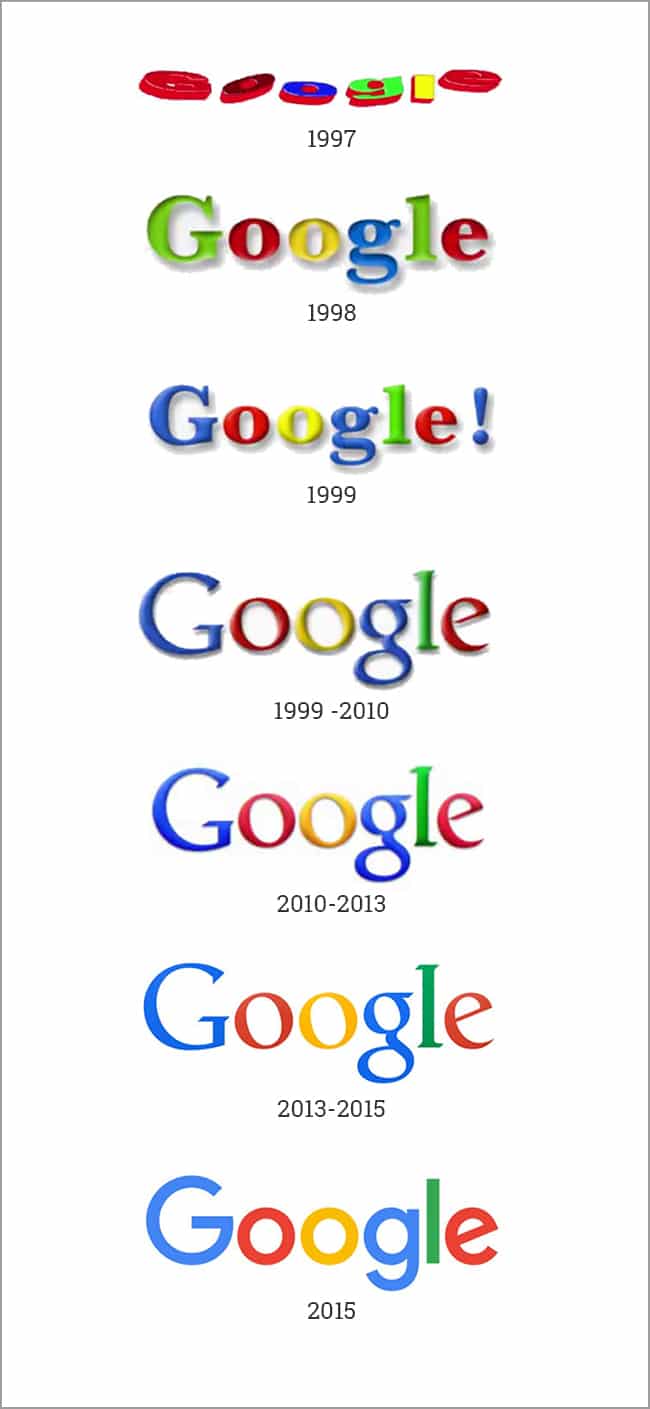
On the other hand, there are many times when it is appropriate to update your logo in a way that specifically retains its most identifiable features in an effort to stay relevant while trying to maintain as much brand equity as possible.  In some cases, this can happen every few years, but for most, it is much less frequent.  This refresh cycle is demonstrated well using the 20-year life span of Google’s logo:

Evolution of Google's logo.

How to know if it’s time for a logo refresh

There are any number of reasons that your logo may need to be refreshed because there are any number of reasons why your branding may be less effective than it should be.  Here are some of the most common reasons:

Your logo looks old

While the average consumer may not look at your logo and think that the typography is dated, or that the glossy nature of your icon indicates that it was designed in the 90s-2000s, they probably can tell you that your logo feels old and out of touch.

Whether we like it or not, design is, in many ways, a cycle of trends, just like fashion.  And just like trends in clothes, eyewear, or hairstyles, it doesn’t require expert training to identify outdated styles.

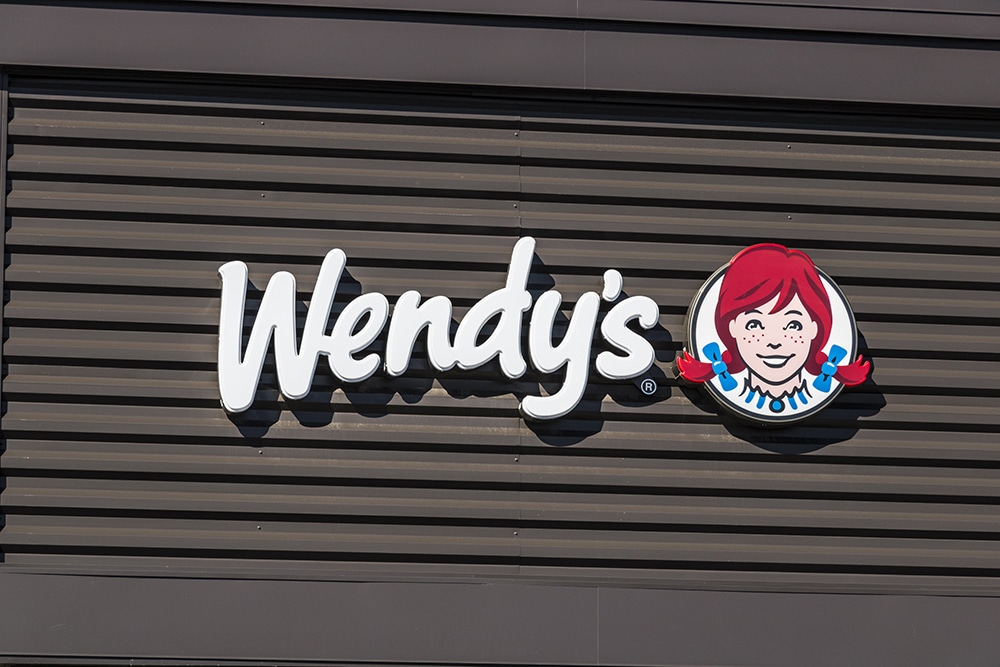
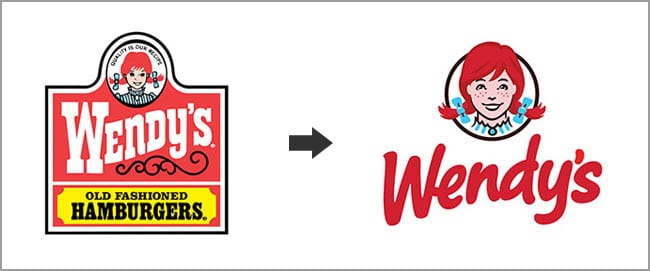
Here’s a great example of taking a dated logo and refreshing it, while effectively retaining its most recognizable features:

Wendy's logo refresh

Your logo is busy/complicated

More than ever, your busy logo may be hurting your brand.  Busy logos have existed since the dawn of logos.  In fact, many of the first logos were complex line drawings.  In the digital era, complex logos don’t translate well onto the screen that we use every day.

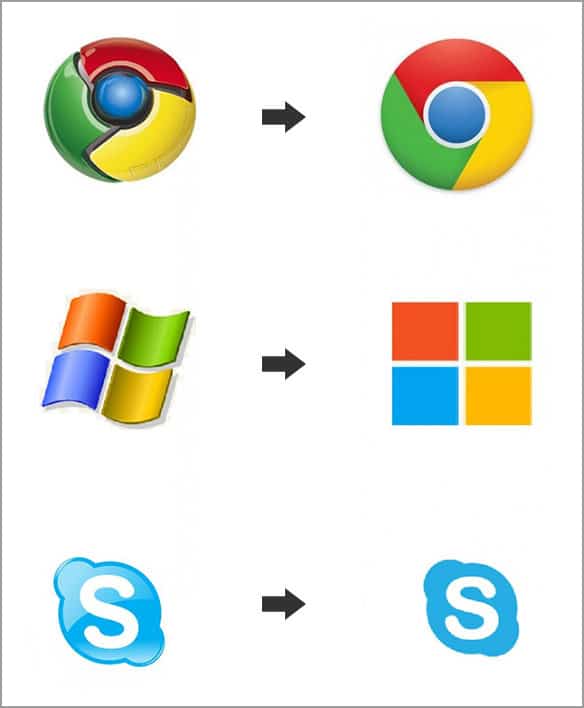
Whether it’s scaling your logo down on the mobile version of your website, or using your logo on your social media accounts, simple is better in the modern world.  Here are three examples of icons that were simplified while maintaining their brand equity:

logo too complicated

Your logo no longer represents your company well

Good businesses evolve with the changing times and good brands evolve with them.  It’s important that your brand represents your company, and as your company changes, it only makes sense that your logo would evolve as well.

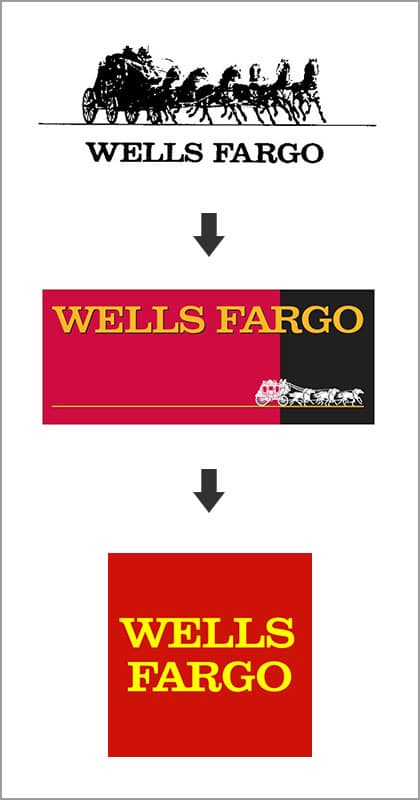
Take Wells Fargo, for example.  Wells Fargo started as primarily a financial courier services company but has slowly evolved into primarily a banking and financial institution.  While they still use the iconic stagecoach to represent their long and storied history in marketing collateral and advertising, it has been phased out of their logo.

logo does not represent company well - shows evolution of Wells Fargo  logo.

You’ve established that your logo is dated, and busy; it doesn’t represent the evolution of your company, or perhaps all three  – it’s time for a refresh.  Keep these guidelines in mind during your logo refresh project.

Trendy designs will age more quickly

When you go through the process of redesigning your logo, you or others involved may be tempted to design something that is really stylish or super trendy.  Don’t do this; you will regret it when you find yourself back at the drawing board with a dated logo again in just a few short years.

Let’s return to the fashion analogy for just a moment.  When thinking about the design of your logo, you want to create a simple black dress or a pair of blue jeans.  These items are versatile, never go out of style, and only require minimal updates to be brought up to date.  These are the traits that you want to cultivate in your logo.

Consider your logo usage

Designing a logo today may be more difficult than ever, given the sheer number of mediums, both online and offline, in which your logo will be used.  Ensure that you consider and share with your designers all the ways you plan to use your logo.

You can assume that you will use your logo on various digital applications, like your website and social media, but be sure that you consider other applications like outdoor advertising, promotional products, print collateral, signage, and/or car wraps.

Identify and keep key features

Ensure that you begin the logo refresh project by identifying the features of your logo that are key to your brand recognition.  Maintaining and growing your brand awareness and brand preference needs to be top of mind during your refresh process.

Work with your designers to simplify and modernize your current brand without completely losing elements of the logo that people associate with the brand.

It’s not an art project

Don’t get carried away with your logo refresh project.  It’s not an art project and should not be treated as such.  Yes, there is a strong artistic element involved in logo design best practices, but your logo is a functional tool in your marketing toolbox and should be designed in such a way.

Avoid trying to make your logo cool.  Instead, focus on creating an effective graphic representation of your business.  If you have accurately captured your business, then your logo should be appealing to your target audience.  When in doubt, stick with the mantra “clear, not clever.”

The Take-Away

Assessing the effectiveness of your brand should be something that you regularly do, with special attention given to the design aspect of your brand at least every few years.

If you are honest with yourself and approach the subject as objectively as possible, you will know if it is time for you to refresh your logo.

If you still aren’t sure if it’s time to refresh your logo, consult a professional logo design agency for a logo consultation.

Marketing emails you’ll actually want to read.

Get marketing tips and news sent to 
your inbox.

This field is for validation purposes and should be left unchanged.
Name(Required)