Category: Marketing Campaigns

How Austin Businesses Can Capitalize on SXSW

For local businesses, SXSW represents more than just a week-long event — it’s an opportunity to showcase their unique offerings to a global audience and capitalize on the influx of visitors to the city. Find out how businesses in Austin can use SXSW to boost their marketing efforts and connect with attendees.

What is SXSW?

SXSW, or South by Southwest, is an annual conglomerate of film, interactive media, and music festivals and conferences held in Austin, Texas, during March. It’s renowned for its diverse programming, attracting industry professionals, influencers, and enthusiasts from around the world.

The Marketing Potential at SXSW

In 2023, over 345,000 people attended the SXSW Conference & Festivals and SXSW EDU.

With the right approach, SXSW can serve as a launching pad for your brand to make a lasting impact in the hearts and minds of festival-goers.

It’s a huge marketing opportunity with several advantages:

  • Global Audience – With attendees from various industries and countries, SXSW provides a platform to reach a diverse and influential audience.
  • Innovation Hub – It’s a hotspot for innovation and cutting-edge technology, making it an ideal space to showcase new products, services, and ideas.
  • Networking – The event facilitates networking with industry leaders, potential partners, and customers, fostering valuable connections.
  • Brand Exposure – Participating in SXSW can significantly increase brand visibility through sponsorships, events, and media coverage.
  • Trendsetting – Being associated with SXSW allows brands to align themselves with trends and emerging technologies, positioning them as forward-thinking and relevant.

SXSW Marketing Tips for Local Businesses

Overall, SXSW presents a unique opportunity for Austin area businesses to try new creative marketing tactics, connect with a global audience, and stay at the forefront of industry trends. But where do you start?

Embrace the Festival Spirit.

During SXSW, Austin businesses embrace the festival spirit by offering special promotions, themed events, and exclusive discounts to attract attendees.

From restaurants and bars to boutiques and art galleries, businesses across the city deck out their storefronts with SXSW-themed decorations and signage to capture the attention of passersby.

Host Engaging Events and Activations.

Many Austin businesses seize the opportunity to host their own events and activations during SXSW, ranging from live music performances and art exhibits to product launches and networking mixers.

By curating unique experiences that align with the festival’s themes and interests, businesses can attract a diverse audience and generate buzz around their brand.

Collaborate with SXSW Partners and Sponsors.

Partnering with SXSW organizers, sponsors, and fellow businesses allows Austin-based companies to amplify their marketing reach and access exclusive opportunities.

Whether through co-branded promotions, sponsored stages, or collaborative marketing campaigns, partnerships play a big role in maximizing exposure and driving foot traffic.

Connect with Local Influencers and Brand Ambassadors.

Austin is home to a vibrant community of influencers, content creators, and brand ambassadors who can help businesses amplify their message during SXSW.

By partnering with local tastemakers and thought leaders, businesses can tap into their networks and leverage their online presence to reach a wider audience of festival-goers.

Provide Authentic Austin Experiences.

One of the many advantages that Austin businesses have during SXSW is their ability to offer authentic, local experiences that resonate with visitors.

Whether it’s serving up Texas barbecue, showcasing live music performances, or highlighting local artists and artisans, businesses can leverage their unique identity to attract and engage attendees.

MARION Marketing Services in Austin, Texas

Ready to elevate your brand’s presence in Austin, Texas? Let MARION’s expert marketing services be your guide to success! Whether you’re looking to dominate the local market during SXSW or year-round marketing support, our team is here to help. Don’t miss out on this opportunity to stand out and thrive in one of the nation’s fastest-growing business hubs!

Reach out today to learn how we can tailor our strategies to your Austin business.

Marketing emails you’ll actually want to read.

Get marketing tips and news sent to 
your inbox.

This field is for validation purposes and should be left unchanged.
Name(Required)

How to Plan Your Social Media Strategy 

Whether you’re a B2B or B2C company,
a thoughtful approach to social media
can build awareness and generate leads. 

A little more than a decade ago, spreading the word about your business involved press releases, advertisements and word-of-mouth marketing. While these channels remain important, social media has evolved into an equally critical marketing tool. Knowing how to plan your social media marketing strategy is essential to making the most of its potential. 

 
With a carefully considered plan, you can relate to new audiences in different and more targeted ways. Facebook users, for example, tend to be methodical shoppers who skew older, while Instagram remains a haven for aesthetically motivated consumers between the ages of 18 and 24. Determining where your audiences spend their time — and what types of content encourage them to stop scrolling — will allow you to connect with key segments, develop brand awareness and build a loyal following. 


Social media demographics and usage by platform.
To determine which platforms offer the most engagement potential for your business, start by
understanding the audience profiles of each.

 
In this article, we’ll help you determine which social media platforms are best for your business — and how to create content that delights and engages audiences. 

How to Choose the Right Social Media Platforms. 

When choosing which social networks are best suited to your business, it’s important to remember that not all platforms are created equal. Different platforms appeal to different demographics, and the same message might not resonate across all social media channels. Make sure you consider the following:

Your Target Audience. 

Understand who your target audiences are and find out which platforms they use most. For instance, younger demographics gravitate towards Instagram, Snapchat and TikTok, whereas professional audiences spend their time on LinkedIn. Facebook, Instagram and X (formerly known as Twitter) have a broad user base and can cater to most demographics — but each is geared toward particular types of content. 

Your Content Mediums.

Different platforms are better suited for different types of content. For example, Instagram and Pinterest are designed to highlight photos and videos, whereas LinkedIn is a great place to share insightful, long-form content. Keep in mind that the capabilities of each network are constantly changing, so it’s important to stay up-to-date as new mediums emerge. 

Your Business Type. 

B2C companies may find more success on Instagram or Facebook, which allow for a more personal connection with customers. Conversely, B2B companies may be better served by LinkedIn or X, which are more conducive to sharing industry news and professional content. 

Your Resources. 

Whichever platforms you choose, all social channels require a significant investment of time and effort to achieve a significant ROI. Be realistic about how much time you can devote to social media. It’s better to share incredible content on one channel than mediocre posts on several. 

Crafting Your
Content Strategy.

Once you’ve chosen the right platforms, it’s time to think about content. Your content strategy should be informed by your overall business goals. Are you looking to drive sales, increase brand awareness, engage with customers or position your brand as a thought leader? No matter your objectives, the following best practices are foundational to most successful strategies. 

Share Valuable Content. 

Share content that’s genuinely useful or interesting to your audience. This could be information or entertainment in the form of blog posts, infographics, how-to videos, industry news or thought leadership articles. Just make sure every piece of content you share aligns with your overall brand storytelling strategy.


Screenshot of blog posts shared on Design At Work’s Google Business Profile.
Your Google Business Profile is a great place to share informative content, such as recent blog posts.

Engage with Your Audience. 

Social media isn’t just about broadcasting your message; it’s about fostering a two-way conversation. Ask questions, seek feedback, respond to comments and engage with your audience in a meaningful way. 

Promote Your Products or Services
(In Moderation). 

While it’s okay to promote your products or services, make sure it’s balanced with other content. A good rule of thumb is the 80/20 rule — 80% of your content should inform, educate or entertain your audience, while only 20% should directly promote your business.


Design At Work Facebook post promoting the marketing agency’s services.
As long as you follow the 80/20 rule, promotional content like this Facebook post can generate leads
without overwhelming your audience with salesy messaging.

Leverage User-Generated Content. 

Encourage your customers to share their experiences with your brand or products. This not only allows you to aggregate free content, but also fosters a sense of community and trust around your brand.

Use Visuals. 

Humans are visual creatures, so it’s no surprise that visual content tends to outperform text-based content on social media. Try to incorporate photos, infographics, animation and videos into your content. 


Video and animated graphics like this stop viewers from scrolling past your content and encourage engagement.

Consistency is Key. 

Posting consistently not only keeps your audience engaged but also helps to improve your visibility and reach on social media. Create a content calendar to ensure regular posting and plan your content in advance. 


Social media content management platform.
Social media content management platforms such as Sendible and Sprout Social can help you keep track of when and what you post.

If you’re feeling overwhelmed by the prospect of deploying a social media game plan, let’s talk! Design At Work can help you develop an approach that will generate awareness and drive sales. 


Sources:

  1. Social media demographics to inform your strategy in 2023 | Sprout Social

The Pros and Cons of Fractional CMOs 

A close look at this budget-friendly
marketing solution. 

Henry Ford famously said that “a man who stops advertising to save money is like a man who stops a clock to save time.” It’s true — whether you’re a small start-up or an established mid-size business, your company needs marketing to thrive and meet its goals. But when the budget is limited, it can be difficult to know how best to allocate your marketing funds. Rather than hiring an in-house team or a marketing agency, some are turning to part-time Chief Marketing Officers, or fractional CMOs. 

In this blog post, we explore the pros and cons of hiring a fractional CMO — and explain why, in our humble, unbiased opinion, an agency can be your marketing partner and more. 

What is a fractional CMO? 

A fractional CMO is a seasoned marketing executive who provides strategic marketing leadership to companies on a part-time, or contractual basis. Unlike a traditional full-time CMO, a fractional CMO works with multiple companies simultaneously, offering them a “fraction” of their time. The arrangement is akin to a time-share: you enjoy access to all the amenities of an experienced leader, but you have to share them with other “investors,” so you can’t guarantee they’ll be available when you need them.

The pros of fractional CMOs. 

There’s a reason why some businesses choose this option — fractional CMOs offer some of the benefits of an in-house marketing team lead without the costs associated with a full-time employee. Here are some of the upsides of fractional CMOS.  

A budget-friendly solution. 

If your budget is limited and you’re looking for someone to develop a high-level strategy for your in-house marketing team, the idea of a fractional CMO might be appealing. For a much lower cost, you’re essentially hiring a contractor to propose a strategy and provide leadership for your team.


Bar graph comparing average monthly salaries of Fractional CMOs and full-time marketing executives.
This graph illustrates the primary appeal of fractional CMOs — they’re much less expensive than salaried employees.1

A range of experience.

Since fractional CMOs often work with various industries and business models, they can leverage cross-sector expertise and propose ideas that may be less well-known in your corner of the market. In theory, at least, this can introduce an out-of-the-box approach.

Rapid recruitment and onboarding.

Full-time roles typically require a lengthy recruitment and onboarding process, as they carry greater financial and legal commitments for your company than a contractor. With a consultant such as a fractional CMO, you can skip the protracted head hunting, salary negotiations and learning curve necessary for internal hires. In the cons section, however, we’ll explain why the time you save during onboarding may be nullified by the time it takes a part-time team member to learn your business.  

A low-commitment relationship.

As contractors, fractional CMOs can be let go at any time. Businesses who only need strategy and leadership for a season — during a period of expansion, for example, or for a critical project or product launch — may bring in a contractor, rather than recruit an internal hire who won’t be necessary long-term.

The cons of fractional CMOs. 

As we have seen, fractional CMOs offer some benefits — but the relationship isn’t without drawbacks. Let’s look at some of the reasons why this setup is sometimes unsuccessful.

Divided attention.

The number one drawback of a fractional CMO is in the title — they’re only able to give you a fraction of their time and professional investment. Since these contractors are part-time leaders for multiple teams, you run the risk of paying someone who isn’t available when you need them. Perhaps more importantly — they’re tasked with the challenge of leading a team to which they don’t fully belong. Your team is less likely to feel fully supported by and committed to a leader who isn’t fully bought into the company.

Cultural misalignment.

With divided attention comes less time spent engaging with your in-house team — hearing their ideas and struggles firsthand, understanding how they work individually and together, learning their unique personalities and communication styles. It takes time for new in-house executives to learn about the people and culture of a company. For someone who devotes only part of their attention to a team, it can take much longer. For this reason, the time you save onboarding a contractor may be offset by the time it takes your fractional CMO to learn how to lead your employees.  


“To me, teamwork is a lot like being part of a family. It comes with obligations, entanglements, headaches, and quarrels. But the rewards are worth the cost.”

— Pat Summit 

The best leaders are fully invested in those they lead. 


The challenge of knowledge transfer.

As with any outsourced marketing solution, making sure a contractor stays up-to-date on the ins and outs of your business can be a challenge. What a full-time CMO would pick up simply by being part of internal conversations, a fractional CMO must learn through additional emails, phone calls and meetings. For the arrangement to work, the contractor has to be flexible and readily available for time-sensitive conversations.

When to choose a marketing agency over a fractional CMO. 

In many cases, a marketing agency can offer all the benefits of a fractional CMO — and more. The average monthly cost of an integrated agency is on par with the salary of a fractional CMO, but rather than gaining one outside perspective, you gain the insight of a whole team of specialists. An agency can not only provide strategic recommendations, but also implement the strategies it suggests. It can also work with your team, either directly with leadership or an in-house marketing team, rather than awkwardly leading on a part-time, outside basis. You can learn more about the benefits of hiring a marketing agency in our recent blog post.

At Design At Work, we pride ourselves on being forthright with prospective clients. If we don’t feel confident we can meet your needs, we’ll tell you. Contact us if you’re looking for outsourced marketing and need someone to guide you through the process of choosing the best option for your business.  


Sources:

  1. Fractional Chief Marketing Officer for Your Business | Echelon5

Buc-ee’s Billboards & the Art of Roadside Marketing

In a world where ads change faster than you can say “billboard,” Buc-ee’s has it all figured out. They’ve made billboards not just a pit stop for information but a part of the adventure. And honestly, who wouldn’t want to pull over for a beaver promising the best restrooms and snacks in the Lone Star State? It’s a billboard game-changer, Texas-style.

Buc-ee’s Billboard Marketing Strategy

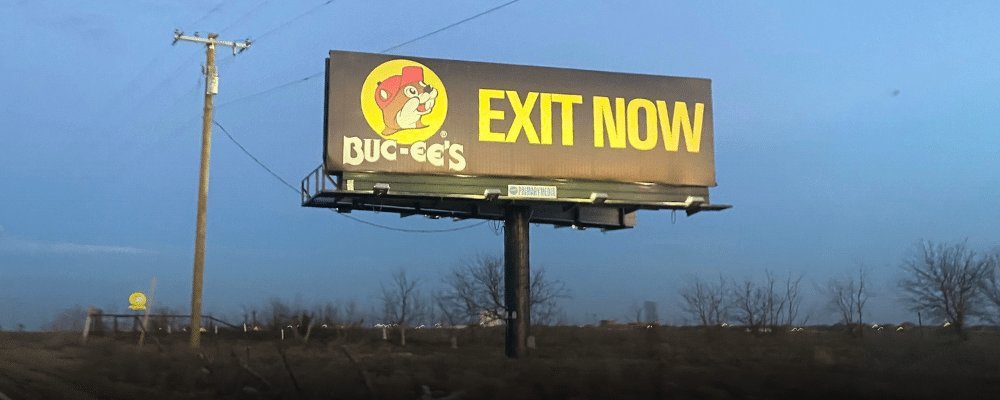
Buc-ee’s billboards are not just ads; they’re landmarks. Whether you’re cruising down the highway at 80 mph or stuck in traffic, you can’t help but notice the promise of clean restrooms and colossal snacks just a few exits away. And the beaver mascot? Iconic. Buc-ee is the road trip companion you never knew you needed!

Size Matters

You can’t miss them, and you definitely can’t forget them. What makes them effective? Well, first off, they’re massive. You know how they say everything’s bigger in Texas? Well, Buc-ee’s creative marketing team took that seriously, especially when it comes to billboards.

The billboards are often oversized, featuring Buc-ee himself – the beaver mascot – along with bold and playful messaging. These billboards serve as miniature invitations to experience the larger-than-life world of Buc-ee’s.

Fun Messaging

Buc-ee’s is known for its creative and attention-grabbing billboard marketing campaigns. Here are some examples that have garnered attention in the past:

  • YOU HAD ME AT HODWY
  • IT’S A TEXAS THANG
  • THE BEAVER MADE ME DO IT
  • IT’S ALL ABOUT THE BRISKET, BABY
  • RISK IT FOR THE BRISKET
  • RESTROOM HALL OF FAME

Strategic Placements

Strategically located along major highways and interstates, Buc-ee’s billboards capture the attention of road-trippers and commuters alike. The placement is not just about visibility. It’s about ensuring that potential customers are enticed at precisely the right moment – when they’re making decisions about where to stop for gas, snacks, and a break.

Consistent Branding

Buc-ee’s billboards aren’t just ads; they’re a continuation of the brand’s personality. But what’s fascinating is that they somehow manage to look the same year after year, and it works.

The beaver mascot is a constant presence, and the billboards echo the same friendly, humorous, and welcoming vibe that customers experience inside the stores. This consistency builds a strong corporate identity and creates a connection with the audience.

Urgency and Enticement

Buc-ee’s billboards often feature limited-time promotions and exclusive offerings. This creates a sense of urgency and entices passersby to make an impromptu stop at the nearest Buc-ee’s. Whether it’s a special deal on snacks or a reminder of the next clean restroom oasis, the billboards play on the immediate needs and desires of travelers.

Community Engagement

Some Buc-ee’s billboards go beyond advertising the store; they engage with the local community. Announcements of store openings, community events, or even playful messages related to local happenings contribute to Buc-ee’s image as a friendly neighbor, despite its massive size.


View this post on Instagram


A post shared by Buc-ee’s (@bucees)

What Can We Learn from Buc-ee’s Billboards?

As businesses explore ways to stand out, there’s much to glean from Buc-ee’s successful and playful approach to traditional marketing. By focusing on clean design, clever messaging, and strategic placements, the gas station has taught us that effective marketing is about making a lasting impression. Buc-ee’s turned the mundane billboard concept into a dynamic tool for engaging with their audience.

The strategic use of size, placement, branding, urgency, and community engagement has transformed these roadside advertisements into an integral part of the Buc-ee’s experience. As travelers hit the road, they can’t help but be drawn into the world of Buc-ee’s, one billboard at a time.

Stand Out with MARION Marketing Services in Texas

Ready to take your marketing to the next level? Look no further! MARION offers outsourced marketing services right here in Texas. Whether you’re aiming for viral billboards or want to elevate your overall brand presence, our team has the creativity and expertise to make it happen.

Contact us today to explore how MARION can transform your marketing game.

Marketing emails you’ll actually want to read.

Get marketing tips and news sent to 
your inbox.

This field is for validation purposes and should be left unchanged.
Name(Required)

The Apple Formula: Unlocking the Secrets of Successful Product Launch Events

Apple, a name synonymous with innovation, has a rich history of product launches that have shaped the tech landscape and consumer culture. These events have become iconic not only for their unveiling of groundbreaking products but also for their masterful marketing strategies. Let’s take a journey through time to explore some of the most successful Apple product launches, key moments, and how their creative marketing approach has evolved over the years.

Why Are Apple Events So Successful?

Apple’s events have achieved unparalleled success due to their exceptional marketing strategies. By creating anticipation, weaving compelling narratives, and engaging the audience with live demonstrations, Apple crafts an experience rather than just a product launch.

Their emphasis on simplicity, user-centricity, and ecosystem integration fosters brand loyalty. Furthermore, Apple’s commitment to consistency in branding and post-event content ensures a lasting impact. These elements, combined with their knack for surprise and delight, make Apple’s events not only memorable but also a benchmark in the world of marketing.

Apple’s Product Launches Over the Years

Let’s take a stroll down memory lane and explore the fascinating history of Apple’s iconic product launches.

The Macintosh (1984)

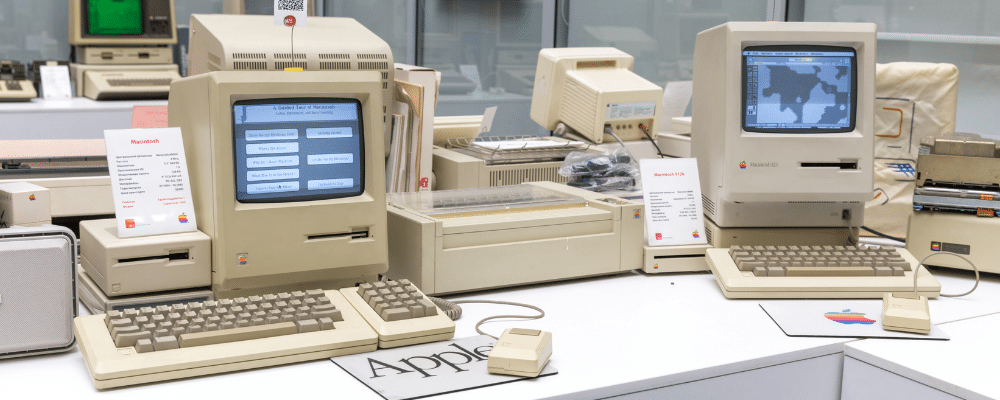
The Macintosh’s launch during the 1984 Super Bowl is legendary. Directed by Ridley Scott, the “1984” commercial depicted a dystopian future and introduced the Macintosh as a symbol of liberation. This groundbreaking ad set the stage for Apple’s innovative marketing approach by associating their products with rebellion against the status quo.

apple computer history

The iPod (2001)

Apple’s launch of the iPod marked the beginning of a music revolution. The sleek device and the “1,000 Songs in Your Pocket” campaign redefined how we listened to music. Apple’s shift toward simplicity and elegance in product design and marketing was evident.

The iPhone (2007)

Steve Jobs introduced the first iPhone in a memorable keynote address. The “Apple Reinvents the Phone” tagline was fitting for a device that revolutionized communication, entertainment, and productivity. Apple’s marketing emphasized the iPhone’s user-friendly interface and ecosystem.

The iPad (2010)

Apple’s iPad launch showcased the device’s versatility with the tagline “A Magical and Revolutionary Device.” Their marketing strategy focused on how the iPad could fit seamlessly into various aspects of users’ lives, from work to entertainment.

The Apple Watch (2015)

The Apple Watch launch brought wearable technology into the mainstream. Apple’s marketing approach emphasized health and fitness, positioning the watch as a vital companion for a healthier lifestyle. They also highlighted its fashion-forward design.

apple watch

The AirPods (2016)

Apple’s AirPods transformed the wireless audio industry. Their “Wireless. Effortless. Magical.” campaign emphasized the ease and convenience of AirPods. The distinctive design became an iconic symbol of wireless audio.

The M1 Chip (2020)

Apple’s transition to using its M1 chip in Mac computers was groundbreaking. Their marketing focused on performance, energy efficiency, and the idea of “Apple Silicon,” highlighting their control over hardware and software integration.

Marketing Lessons We Can Learn from Apple Events

Apple’s product launches are more than just unveilings; they are masterclasses in marketing. These events have consistently set the standard for creating excitement, anticipation, and consumer engagement. Here are some valuable marketing lessons we can learn from Apple’s event playbook:

1. Create Anticipation

Apple’s ability to generate buzz long before an event is a marketing triumph. By releasing teasers and cryptic invitations, they build anticipation and curiosity.

Lesson: Start generating excitement well in advance of your product or event launch.

apple store

2. Storytelling Matters

Apple doesn’t just introduce products; they tell stories. Whether it’s the underdog narrative of the Macintosh or the transformative impact of the iPhone, their storytelling resonates emotionally.

Lesson: Craft a compelling narrative that connects with your audience on a personal level.

3. Simplicity Sells

Apple’s minimalist design philosophy extends to their event presentations. Clean visuals, simple messages, and a focus on the product are key.

Lesson: Keep your marketing materials and messaging clear and concise.

4. Surprise and Delight

Apple often surprises audiences with unexpected announcements or features. These surprises generate excitement and keep the audience engaged.

Lesson: Incorporate an element of surprise or novelty in your marketing campaigns.

5. User-Centric Focus

Apple emphasizes how their products will enhance users’ lives. They showcase real-world applications and benefits, making it about the customer, not just the product.

Lesson: Highlight the value your product or service brings to your customers.

6. Demonstrations and Hands-On Experience

Apple events often include live demonstrations, allowing the audience to see products in action. They understand the power of “show, don’t tell.”

Lesson: Whenever possible, let your audience experience your product or service firsthand.

apple iphone

7. Ecosystem Emphasis

Apple events highlight how their products seamlessly integrate into an ecosystem, reinforcing brand loyalty.

Lesson: Showcase how your products or services complement each other for a holistic customer experience.

8. Engage the Audience

Apple encourages audience participation through live demos, Q&A sessions, and interactive elements. They make viewers feel like part of the event (and create word-of-mouth marketing).

Lesson: Engage your audience actively to create a sense of community and involvement.

9. Post-Event Content

Apple doesn’t stop at the event; they release follow-up content, videos, and product guides.

Lesson: Continue engaging with your audience after the event to maintain interest and support.

10. Consistency is Key

Apple’s events maintain a consistent brand identity, from their iconic white stage to their presenters’ attire. This consistency reinforces their brand image.

Lesson: Ensure your marketing materials align with your corporate identity for a cohesive message.

Examples of Brands that Nail New Product Launches

Apple isn’t the only company known for hosting major product releases with big events to generate excitement and anticipation.

  • Nintendo: Nintendo Direct presentations are a regular way for Nintendo to announce new games, consoles, and updates for its popular franchises.
  • Samsung: Samsung often holds “Unpacked” events to launch new flagship Galaxy smartphones, tablets, and other consumer electronics.
  • Google: Google hosts “Made by Google” events to unveil its latest smartphones and other hardware products like the Google Home, Nest, and Pixelbook.
  • Microsoft: Microsoft organizes events like “Microsoft Surface” launches to showcase new Surface devices, including laptops, tablets, and accessories.
  • Tesla: While not traditional events, Tesla’s product unveilings, especially for new car models and features, have garnered significant attention and excitement.

Craft Extraordinary Marketing Campaigns with MARION

Apple’s success in marketing goes beyond their products; it’s in how they present and communicate them. By incorporating these lessons into your digital content strategy, you can captivate your audience and build excitement around your brand and offerings. At MARION, our expert team is here to transform your vision into reality, so don’t wait any longer. Reach out now, and let’s make marketing magic happen together!

Set up a consultation to take the first step.

Marketing emails you’ll actually want to read.

Get marketing tips and news sent to 
your inbox.

This field is for validation purposes and should be left unchanged.
Name(Required)

Navigating the Storm: Effective PR Messaging for Businesses During Hurricanes

Hurricanes and other natural disasters can strike unexpectedly, causing disruptions that challenge even the most prepared businesses. Amid these challenges, effective public relations (PR) plays a crucial role in maintaining client relationships, showcasing resilience, and fostering community support.

In this guide, the marketing experts at MARION closely examine the art of PR messaging during natural disasters, focusing on how businesses can communicate with existing clients before, during, and after local catastrophes to ensure they remain ahead of the game.

Before the Storm: Preparing and Communicating

  1. Understanding the Risks: The first step in effective disaster communication is recognizing potential risks. Research and identify how natural disasters might impact your business and clients, enabling you to anticipate challenges and develop tailored responses.
  2. Creating a Comprehensive Plan: A well-thought-out disaster communication plan is essential. Outline strategies, designate communication channels, and define protocols for both internal and external communication to ensure a coordinated response.
  3. Proactive Outreach: Reach out to clients before a disaster strikes. Share your preparedness plan, emphasizing the steps you’re taking to ensure their safety and maintain business continuity. This proactive approach establishes trust and reassures clients.
  4. Providing Resources: Equip clients with essential resources such as emergency contact information, safety guidelines, and evacuation routes. Utilize visuals like infographics or images to convey important information more effectively. This empowers them to take necessary precautions and stay informed.

During the Storm: Keeping Clients Informed

  1. Continuous Updates: Maintain open lines of communication with clients throughout the disaster. Regularly update them on the status of your business operations, any disruptions, and the safety measures you’re implementing. Use multiple communication channels such as social media, email, and website updates.
  2. Prioritizing Safety: Show that safety is your top priority. Inform clients of measures you’re taking to protect your employees, clients, and assets during the crisis.
  3. Emergency Contacts: Ensure clients have access to your emergency contact information. This enables them to seek assistance if needed and reinforces your commitment to their well-being.
Hurricane PR Messaging for Businesses

After the Storm: Recovery and Rebuilding

  1. Expressing Empathy: Send heartfelt messages expressing concern for the well-being of your clients and the community. Demonstrating empathy reinforces your commitment to supporting them during challenging times.
  2. Assessing the Impact: Share transparent updates on the status of your business, any damages incurred, and the progress of your recovery efforts. This transparency fosters trust and keeps clients informed.
  3. Offering Assistance: Provide information about available support services and resources that can aid clients in their recovery process. This gesture showcases your dedication to helping them rebuild.
  4. Showcasing Resilience: Highlight how your business is bouncing back from the disaster. Reiterate your commitment to providing quality services and reaffirm the value you bring to clients.

Long-Term Relationships: Post-Disaster Engagement

  1. Follow-Up: Continue to engage with clients even after the immediate crisis has passed. Use social media to provide real-time updates, address concerns, and answer questions from your audience. Check in to see how they’re recovering and offer additional support if needed.
  2. Sharing Stories of Resilience: Share inspiring stories of how clients and community members have overcome challenges. This not only uplifts spirits but also demonstrates the strength of your community.
  3. Community Engagement: Participate in local recovery efforts and initiatives. By actively contributing to the well-being of the community, you reinforce your business’s commitment to its surroundings.

The Bottom Line

Navigating hurricanes requires a strategic approach to PR messaging that spans before, during, and after the storm. Effective communication that prioritizes preparedness, empathy, and ongoing support is key to maintaining strong client relationships and showcasing resilience.

As businesses face an increasingly unpredictable world, developing a comprehensive disaster communication strategy ensures they remain ahead of the game and continue providing valuable support during challenging times.

Elevate Your Business’s PR Efforts with MARION Integrated Marketing

From crafting compelling PR messaging strategies to devising innovative marketing strategies and building a strong brand identity, MARION’s experienced team of experts is here to guide you every step of the way. With our dedication to delivering results, we are your partner in achieving business growth and success.

Reach out to us now to prepare your brand’s marketing communications this hurricane season.

Marketing emails you’ll actually want to read.

Get marketing tips and news sent to 
your inbox.

This field is for validation purposes and should be left unchanged.
Name(Required)

Analyzing the Success Story of Taylor Swift’s Eras Tour Marketing

Taylor Swift, the queen of reinvention, has once again left the world in awe with her groundbreaking Eras Tour. As she gracefully transitions from one era to another, Swift’s ability to captivate audiences through her music and storytelling is undeniable.

However, behind this seamless transformation lies a team of marketers that has propelled her tour to unprecedented heights. In this blog, the experts at MARION take a closer look at the strategic marketing behind Taylor Swift’s Eras Tour, uncovering the secrets that have kept fans engaged and mesmerized throughout each chapter of her illustrious career.

Dissecting the Eras Tour

Taylor Swift’s Eras Tour is a revolutionary concert experience that showcases the artist’s artistic evolution and growth throughout her career. Unlike traditional tours, each segment of the tour represents a distinct era of her music, with unique themes, set designs, and visual elements to reflect the essence of that era.

The Eras Tour takes fans on a nostalgic journey through Taylor’s musical transformation — from her country roots to pop superstardom. It is not just a concert but an immersive experience that immerses the audience in the world of each era, connecting them emotionally to the songs and stories behind them. Swift’s Eras Tour has set a new standard for live performances, demonstrating her team’s marketing genius and ability to continuously captivate her loyal fan base.

Taylor Swift’s Genius Marketing Team

Taylor Swift’s Eras Tour has taken the music industry by storm, captivating fans and garnering immense success. The seamless integration of creative marketing strategies has played a pivotal role in its triumph. From innovative branding to interactive experiences, Swift’s team has elevated her tours to more than just concerts — but unforgettable cultural events.

1. Building Anticipation and Hype

Like the Barbie movie marketing, Taylor Swift’s team crafted a masterful pre-tour promotional campaign, generating excitement and anticipation among her loyal fan base. Through social media teases, cryptic clues, and interactive fan experiences, Swift created a sense of mystery and intrigue around her tour, setting the stage for an unforgettable experience.

2. Personalized Fan Engagement

One of the standout aspects of the Eras Tour marketing was Taylor Swift’s commitment to connecting with her fans on a personal level. She organized exclusive pre-show events and surprise meet-and-greets and hosted online contests, allowing fans to feel a sense of ownership and inclusion in the tour’s success. This personalized approach fostered a devoted community and generated unparalleled enthusiasm.

taylor swift fans eras tour

3. Captivating Visuals and Stage Production

Taylor Swift’s Eras Tour was a visual feast for the audience. From elaborate stage designs to stunning visual effects, every aspect was meticulously curated to create an immersive experience. The marketing efforts focused on highlighting these visual elements through behind-the-scenes content, live performance snippets, and professional photography, attracting both longtime fans and curious newcomers.

4. Leveraging Social Media and Digital Platforms

Swift’s team understood the power of social media and the importance of a strong online presence. By leveraging platforms like Instagram, TikTok, Twitter, and YouTube, she engaged with fans directly, shared exclusive content, and provided regular updates about the tour. This not only fueled the excitement but also enabled fans to become enthusiastic brand ambassadors, spreading the word across their networks.

5. Data-Driven Decision Making

Behind the scenes, Taylor Swift’s team undoubtedly leveraged data analytics to drive their marketing decisions. By understanding fan demographics, preferences, and market trends, they were able to tailor their strategies to specific target audiences. This data-driven approach ensured that resources were allocated effectively, maximizing the impact of the marketing efforts.

Taylor’s Eras of Strategic Marketing Campaigns

To expand her reach and tap into new markets, Taylor Swift embarked on strategic partnerships and collaborations throughout her career. She garnered additional marketing support and cross-promotion opportunities by teaming up with brands.

By aligning her image with the right partners, Swift reached new audiences and further solidified her standing as a global star!

What Can Brands Learn from Taylor Swift’s Marketing Success?

In conclusion, the marketing success of Taylor Swift’s Eras Tour can be attributed to a combination of factors. Building anticipation, personalized fan engagement, captivating visuals, strategic partnerships, leveraging digital platforms, and informed decision-making have all played a crucial role.

By analyzing and dissecting these strategies, marketers can gain valuable insights to apply to their own campaigns, and fans can gain a deeper appreciation for the incredible marketing journey that contributed to the unforgettable Eras Tour.

Dive Deeper into The World of Marketing with MARION

From digital marketing to branding, content creation, and beyond, our seasoned team of professionals is here to guide you through the ever-changing landscape of modern marketing. Let MARION be your trusted partner in navigating the intricacies of marketing, unlocking endless possibilities for your brand’s growth and success.

Contact our team today and visit our blog to discover innovative techniques, actionable insights, and success stories that have propelled businesses to new heights!

Marketing emails you’ll actually want to read.

Get marketing tips and news sent to 
your inbox.

This field is for validation purposes and should be left unchanged.
Name(Required)

How to Design a Winning Trade Show Booth

Follow These Tips to Wow Prospective Customers at Your Next Trade Show.

Picture this: You’re standing in the middle of a crowded trade show booth. Your signage and lighting positively sparkle as prospective customers eagerly engage with your interactive product displays. You’re fielding questions left and right, seamlessly gathering attendee data and swapping business cards like a networking ninja.

Sounds great, right? With clear objectives, thoughtful planning and savvy design, you can make this dream a reality. Here we’ll outline the fundamentals of effective trade show booth design, from setting achievable goals to crafting a compelling message for your target audience.

How to Plan Your Trade Show Booth.

Before you decide the “how” of your booth, it’s important to understand the “why.” Are you looking to generate leads among a well-known target audience? Or are you seeking to build brand awareness within a new market vertical? The following questions can help you determine your goals for the event.


Trade Show Attendee Statistics
These statistics about attendees suggest the impact a strong trade show presence can have.

Who is your target audience?

As with any marketing initiative, it’s important to define your audience. Will you be targeting prospective customers, industry peers or potential investors? Understanding your audience will help you refine your messaging and visual approach.

Who is your competition?

Information about your competitors’ previous approaches to trade shows can help you differentiate your booth and set achievable goals. What were their goals and objectives? What kind of messaging and visuals did they use? What do you like about their approach and, more importantly, how can you differentiate your own booth to ensure it stands out?

How will your booth align with your overall marketing strategy?

It’s important to set goals that support your business’ overall marketing strategy. Is your company focused on boosting awareness, generating leads or promoting a new product or service? Considering how the trade show fits into your overall marketing strategy can help you refine your objectives for the event.

What are your goals for the trade show?

Once you’ve identified your target audience, studied the competition and reviewed your company’s overall marketing strategy, it’s time to determine specific, measurable goals for your trade show booth. For example, you might want to gather contact information for a certain number of quality leads, or close a certain number of sales. However you define success, make sure your objectives are SMART: specific, measurable, achievable, relevant and time-bound.

How to Design a Trade Show Booth That Stands Out.

Once you’ve defined your goals, you’re ready to make decisions about the look, feel and functionality of your booth. The following best practices will help you to create an on-brand experience that attracts your target audience and keeps them engaged.


Trade Show Booth Mockup
This mockup of a trade show booth demonstrates the importance of on-brand design elements that encourage interaction.

Stay True to Your Brand.

While your objectives may be unique to the trade show in question, your messaging and visuals should align with your branding guidelines. Make sure every aspect of the experience, from physical signage to virtual data-gathering interfaces, reinforces your brand identity while delivering a message that feels specific and relevant to the event at hand.

Keep the content simple.

A tradeshow booth is more often than not meant to be a backdrop for what’s happening inside your booth. With this in mind, it’s important to keep content minimal, embracing large catchy headlines and keeping your company’s logo is front and center. Highlighting a few key points or differentiators is also good if you want to give booth visitors a quick snapshot of what you offer. More than likely, chairs, tables and people will be standing in front of your booth graphics, so small wording or small details will get lost or not seen.

Highlight Key Visual Elements.

As with content, you’ll want to select images carefully and use them smartly. Make sure you’re drawing attention to the specific products and services that reiterate what your company offers. Strategically placed lighting or illumination can further help to guide visitors’ eyes, while also adding to the “vibe” of your booth. When selecting lighting, consider how you want guests to feel – relaxed, energized, solemn, powerful? Once you know how you want booth visitors to feel, you can select visuals and design a lighting scheme that achieves the effect.

Embrace the Power of Play.

It’s not enough to drive traffic to your booth. To achieve measurable results, you have to delight, engage and inspire attendees to take action, whether that means providing their email addresses or making a purchase. Interactive activities, such as live product demonstrations, touch screen displays, games and trivia, photo booths and even virtual reality simulators encourage guests to linger and explore — giving you the opportunity to make one-on-one connections.

Don’t Sleep on the Swag.

Who doesn’t love a free tote bag, t-shirt or travel mug? Treating your attendees to useful, high-quality branded items is well worth the investment. They not only drive traffic to your booth, but also increase the likelihood that visitors will remember your company fondly. Whatever you choose, make sure the items clearly reflect your brand and connect to your product or service. If you’re a fuel carrier with a fleet of delivery trucks, for example, you might offer branded keychains that remind prospects of your professional team of truck drivers.


Designing a trade show booth can be overwhelming, but by keeping these best practices in mind, you’ll be well on your way to a successful event. Better yet — let Design At Work do the heavy lifting! We can help you plan, design and execute a booth that attracts visitors and generates leads. Let’s talk about your next trade show.


Sources:

  1. 150+ Trade Show Stats That Reveal All, Trade Show Labs

Brand Positioning 101: How to Create an Effective Positioning Strategy

The most successful brands are, above all else, known for something. They have a unique value proposition that customers easily understand, thus differentiating them from their competitors. Identifying what makes your company’s products or services one-of-a-kind can go a long way to developing a solid following. Known as brand positioning, that sort of identification plays a critical role in any viable marketing strategy.

What Is Brand Positioning in Marketing?

Before discussing how to develop a proper brand positioning strategy, the base-level question — What is positioning in marketing? — must be answered.

At its core, brand positioning identifies the traits that a company’s products or services unique within its particular market sector. It can also refer to specific qualities that a single company possesses: Walmart, for instance, is known for being an inexpensive retailer that attracts cost-conscious consumers looking for affordable groceries, clothing, and home goods, whereas Apple is known for producing high-value electronics with clean and sleek designs.

Types of Positioning Strategies

Multiple types of positioning strategies may suit your business, though a few of the most common include customer service, convenience, price, quality, and differentiation. You’ll want to carefully examine your company and what it has to offer to determine the positioning strategy that best suits your organization.

Developing a Successful Positioning Strategy

Determining and forming a suitable market positioning strategy for your organization is a relatively easy process, so long as you follow the series of steps below:

Step 1: Conducting Market Research to Identify Target Audience and Competitors

You’ll want to start the process by thoroughly evaluating all aspects of your target audience, including their demographics, buying behaviors, geography, and income. Knowing your buyers can help you better understand their needs and why they continue to choose your company.

Your buyer analysis should unveil some characteristics that will make it easier to determine what your brand positioning strategy should be. For instance, if you’re targeting wealthier individuals in their 40s, you might position your products as high-quality and equally classy.

You’ll also want to examine your competitor’s positioning. Check out their website and social media accounts to understand the strategies they’re using and how you might be able to improve upon them.

Brand Positioning target audience

Step 2: Defining Your Unique Selling Proposition and Value Proposition

Once you specify your brand positioning, you can develop its unique selling proposition (USP) and value proposition. You’ll want to communicate these two throughout all of your external messaging to ensure that potential buyers clearly understand what you have to offer.

Competitor analysis can also help you define your USP. Through your evaluation, you should pick up on certain trends. For instance, you might see that your competitors don’t offer free trials for their services or that their pricing is much more expensive than yours. Ensure you communicate the strengths you provide over your competitors in your value proposition.

Step 3: Crafting Your Brand Story and Messaging to Connect with Your Target Audience

Your next step is to develop your brand’s story and messaging. Your brand’s story will clearly explain what you have to offer to your buyers and why your company is the right choice for them. You can showcase your story through text, but a simple video that’s visible on your website alongside pages that fully describe your company can help fully convey your message.

Once you decide on your approach to messaging, it is critical to maintain it whenever you communicate with your customers.

Step 4: Choosing the Right Communication Channels to Reach Your Target Audience

You can use multiple communication channels to connect with your audience, but you don’t need to be everywhere at once. Instead, concentrate on where your buyers are most likely to congregate.

For a B2B organization, for example, developing a social media presence on LinkedIn and through industry conferences can help you reach your target audience. Meanwhile, an e-commerce company seeking to attract younger buyers might find TikTok and Instagram better alternatives.

Step 5: Creating Consistency Across All Touchpoints to Build a Strong Brand Image

Once you establish your messaging and positioning, you’ll need to maintain consistency to strengthen your brand image, or else your buyers will lose sight of your value proposition.

As such, if you position your brand as high-quality, you must stick with that positioning throughout all your communications and advertising. If you suddenly decide to change your positioning and focus on a low price point, it could damage your company’s reputation and ultimately confuse your buyers.

Stand Out in a Competitive Business Landscape with MARION Marketing Services

In the early days of your business, figuring out the correct positioning for your company’s products and services can be challenging. You’re new to the market and want to grow your revenue fast, so you might ignore brand positioning in favor of generating quick sales, but that’s a mistake, to put it bluntly.

You’ll want to establish a USP and value proposition early on to guarantee you can create consistent messaging that resonates with your target buyers and grows your company’s following.

MARION can help you build the right market positioning strategy for your organization — reach out to us today to get started!

Marketing emails you’ll actually want to read.

Get marketing tips and news sent to 
your inbox.

This field is for validation purposes and should be left unchanged.
Name(Required)

We’re All Living in Barbie’s World (of Marketing Genius)

The new Barbie movie marketing has dazzled both young hearts and nostalgic souls, proving that online success can be as magical as the world of Barbie herself. Join us as we unpack the creative marketing strategies that captured the attention of millions worldwide.

Deconstructing the Barbie Movie’s Marketing Success

Lights, camera, marketing! With a projected $115+ million box office opening, the new Barbie movie serves as a testament to the power of effective marketing strategies in driving the success of a brand — but how did they do it?

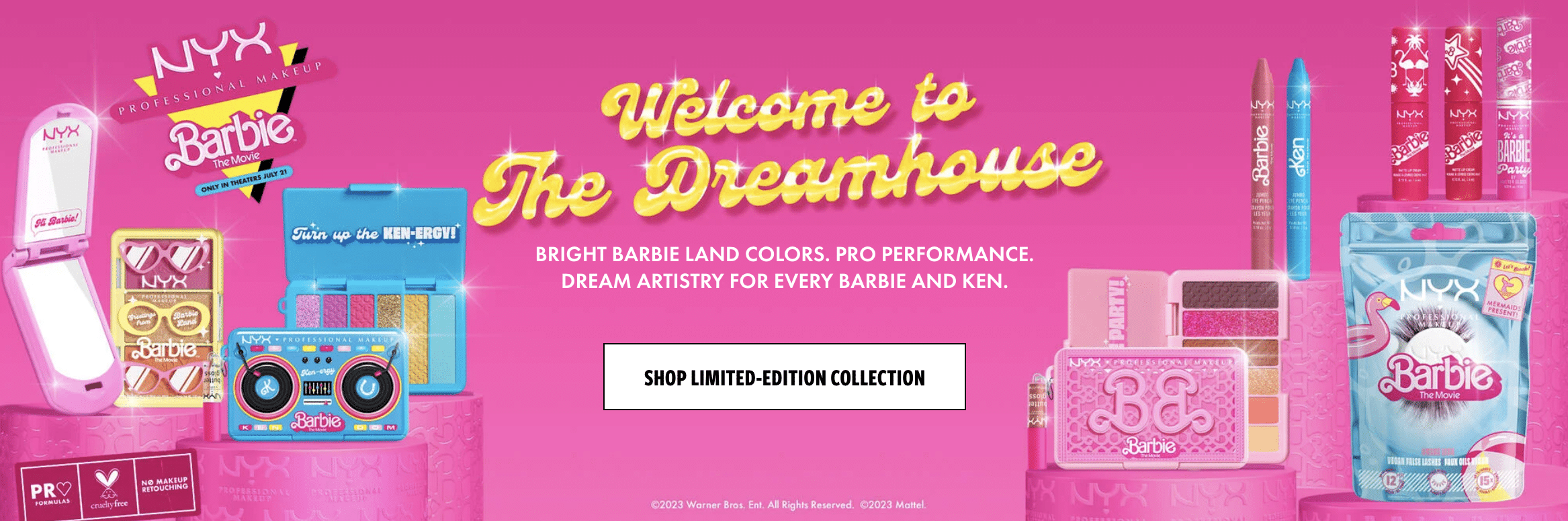
NYX x Barbie

Building on Brand Legacy

For decades, the Barbie brand has been an iconic symbol of fashion and imagination. Leveraging this strong brand legacy, the Barbie movie has successfully capitalized on people’s emotional connection with the brand. By bringing the beloved doll to life on the big screen, the film has managed to tap into the nostalgia and affinity that consumers have for Barbie, thereby creating a strong foundation for their marketing success.

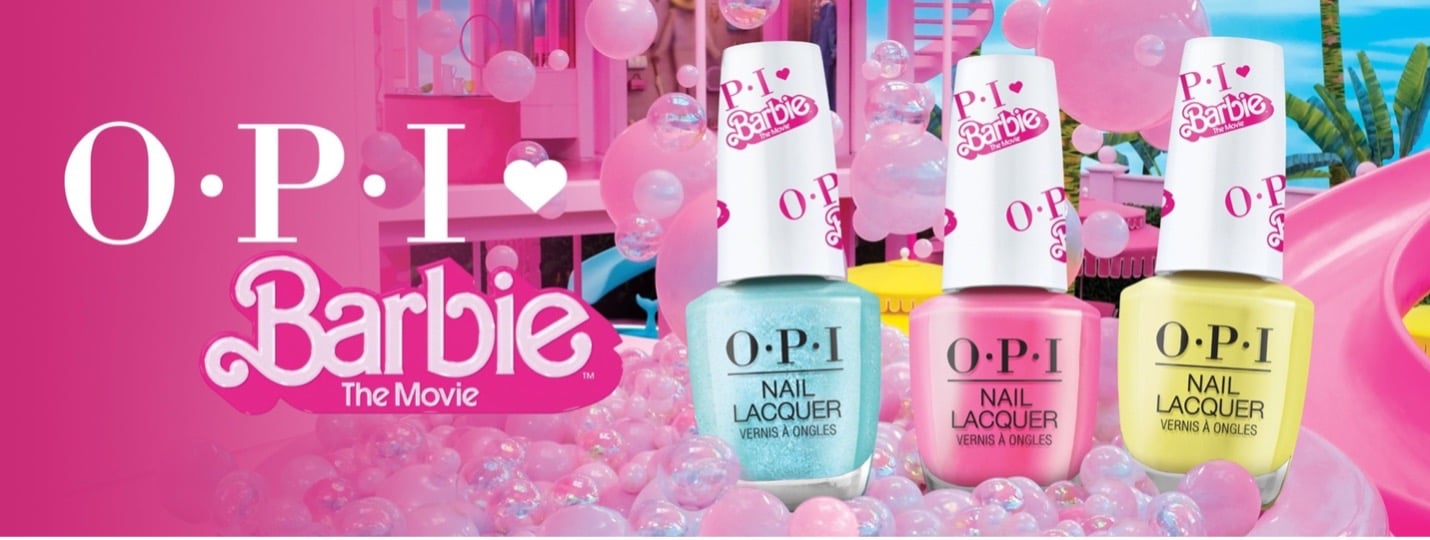
OPI x Barbie

OPI x Barbie

Targeted Marketing Campaigns

Understanding their target audience has been crucial to the Barbie movie’s marketing success. In the past, the franchise consistently tailored its marketing campaigns to resonate with young girls and their parents. But now, through a mix of digital and traditional marketing channels, paid ads, social media campaigns, and influencer partnerships, the movie has effectively rebranded and expanded its audience.

Tapping into Nostalgia

Marketers took a delightful trip down memory lane by collaborating with brands that resonated with the Barbie-loving generation of the past. Limited-edition merchandise, Barbie-themed cafes, and throwback-inspired events created a nostalgic buzz that warmed the hearts of those who grew up with this timeless doll.

Swoon x Barbie

Swoon x Barbie

Social Media Takeover

Barbie took the internet by storm, with her own social media accounts buzzing with exciting updates, behind-the-scenes peeks, and heartwarming messages of empowerment. The social media takeover was a whirlwind of inspiration and joy!

  • Teasers: From the very beginning, marketers knew that tapping into Barbie’s iconic fashion prowess was a must. Teasers featuring stunning outfits and jaw-dropping accessories started popping up on social media, leaving fans eagerly awaiting the movie’s release. Talk about a successful word-of-mouth marketing strategy!
  • AR Filters: Who wouldn’t want to try on Barbie’s fabulous wardrobe? Snapchat and Instagram Augmented Reality (AR) filters made this possible, allowing fans to virtually try on Barbie’s iconic outfits and accessories right from their phones. Barbie magic — now accessible at your fingertips!
  • Viral Challenges: What better way to engage audiences than with fun and creative viral challenges? For example, #BarbieNails and #Barbiecore are gaining traction on social media, inviting fans to share their Barbie-inspired content.
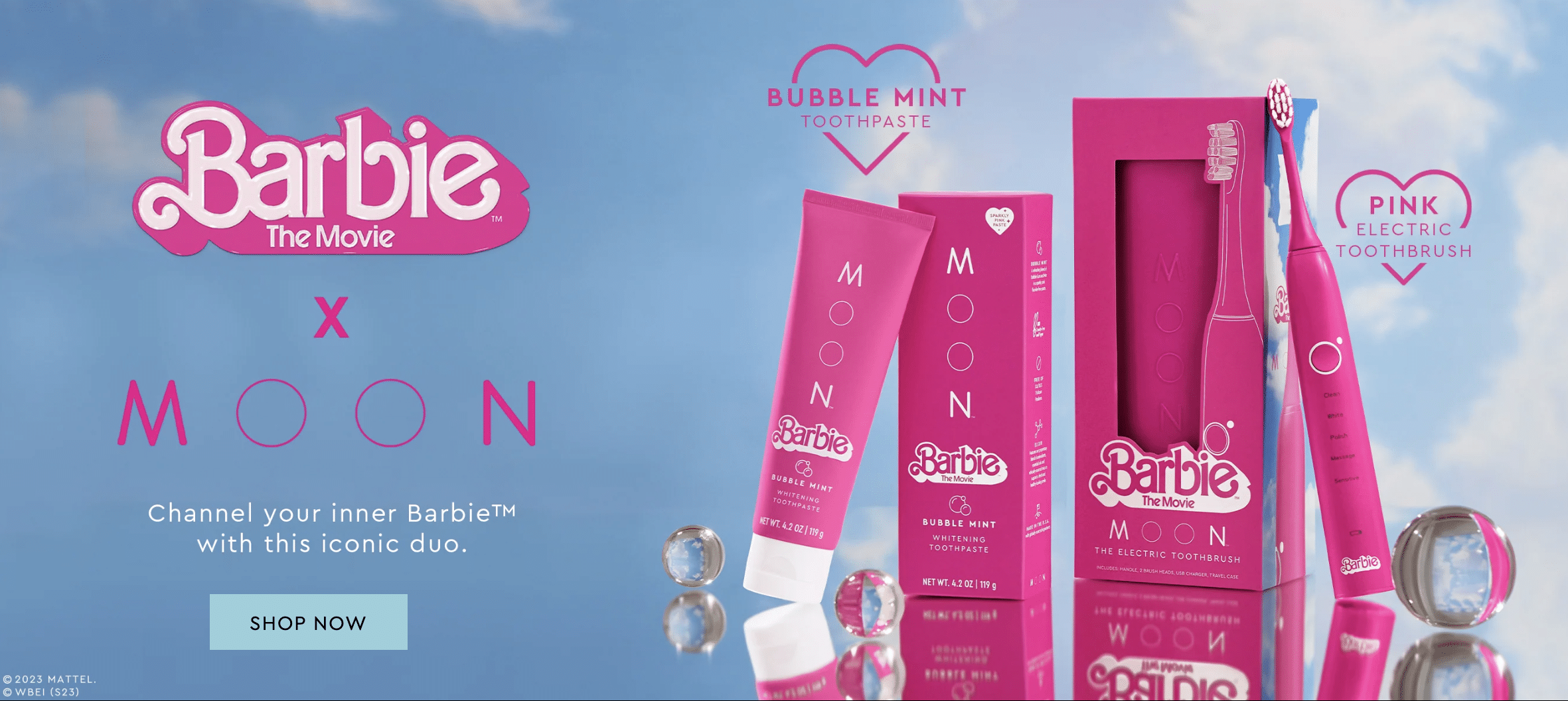
barbie x moon

Moon Oral Beaty x Barbie

Strategic Partnerships

One of the key elements behind the Barbie movie marketing is the strategic partnerships they have formed. Collaborating with renowned production studios, such as Mattel Creations and Universal Pictures, has not only helped ensure high-quality production but also provided access to wider distribution networks. Additionally, partnering with influential celebrities and artists for appearances and soundtracks has further enhanced the movie’s appeal and reach.

pinkberry barbie

Pinkberry x Barbie

A Star-Studded Premiere

Marketers pulled out all the stops for the Barbie movie premiere in Los Angeles, turning it into a star-studded extravaganza. Celebrities, fashion influencers, and even a surprise Barbie runway show took center stage, ensuring that this movie’s launch was as glamorous as the doll herself.

The Barbie marketing magic didn’t stop at the premiere. Themed events sprouted up worldwide, from Barbie fashion shows to Barbie-inspired art installations, celebrating the iconic doll (and helping marketing efforts).

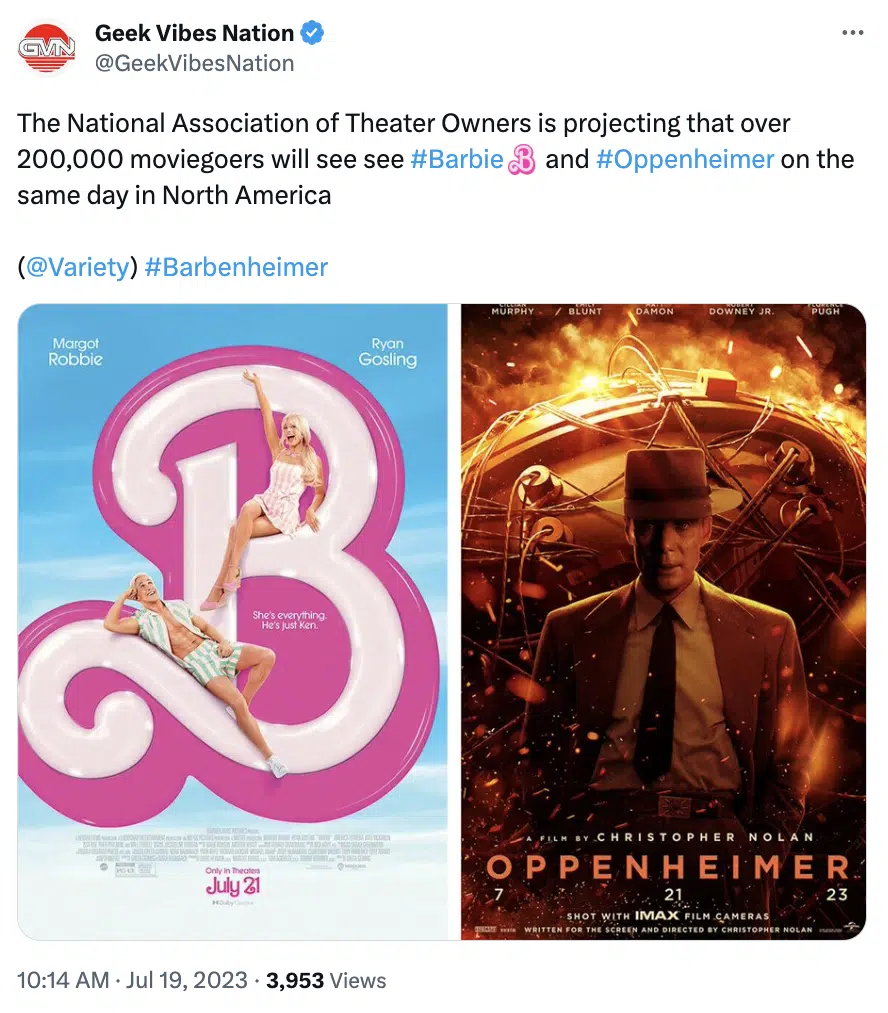
Barbenheimer Marketing: Barbie vs. Oppenheimer Approaches

In contrast to Barbie’s maximalist approach to marketing, Oppenheimer’s marketing strategy was far more low-key. Oppenheimer first sparked interest online with a live countdown announcement launching the official trailer. Longer trailers eventually followed, in addition to social media interactions by the film’s cast members.

barbenheimer tweet

Twitter

In the realm of marketing, the Barbie movie is proving to be more than just a blockbuster film — it’s a celebration of dreams, fashion, and nostalgia. Through clever strategies that embraced social media challenges, brand partnerships, and creative teasers, marketers breathed life into the timeless doll and showcased her inspirational journey on the big screen. Here’s to the enduring magic of Barbie and the marketers who made this enchanting movie a marketing sensation!

Create A Campaign Worth Talking About with MARION

In the quest for extraordinary marketing campaigns that leave a lasting impact, look no further than MARION. Our team of creative masterminds is dedicated to helping you create a campaign worth talking about. From concept to execution, we combine innovative strategies, captivating visuals, and compelling storytelling to ensure your brand’s message resonates with your target audience. Let’s create a marketing campaign that sets the world abuzz!

Contact MARION today for a free marketing consultation.

Marketing emails you’ll actually want to read.

Get marketing tips and news sent to 
your inbox.

This field is for validation purposes and should be left unchanged.
Name(Required)