Category: Branding Design

Wicked Part 1 vs. Part 2: A Marketing Observation

Universal went big on Wicked marketing, and it paid off. The first movie’s campaign hit every channel: merch, music, social, partnerships, in-person events, and more. Now with Part 2, they’ve shifted gears. It’s less about hype and more so about timing and keeping fans engaged.

If you want to see what an optimized cross-industry, experiential, fan-driven marketing campaign looks like, this one’s worth a read!

Wicked Part 1 Marketing Recap

The Wicked: Part 1 campaign went live in Q4 2024, AKA peak cinema traffic and retail activity. It wasn’t subtle, and that was the point.

Brand Partnerships Galore

Universal didn’t waste time with surface-level co-branding. This was layered audience segmentation at work:

  • MAC Cosmetics dropped a green-and-pink collection keyed to Elphaba and Glinda’s palettes.
  • Funko, Mattel, LEGO dropped collectibles and playsets. Target: legacy fans + new generation.
  • Béis launched limited luggage with Wicked-specific color codes. Crossover with travel enthusiasts.
  • Lexus launches a luxury promo campaign called “Experience OZmazing.”
  • Absolut built a character-themed cocktail kit experience. Conversion play for the lifestyle/demo overlap.
  • Movie theater chains sold Wicked themed popcorn buckets and souvenir cups, emphasizing limited time only.
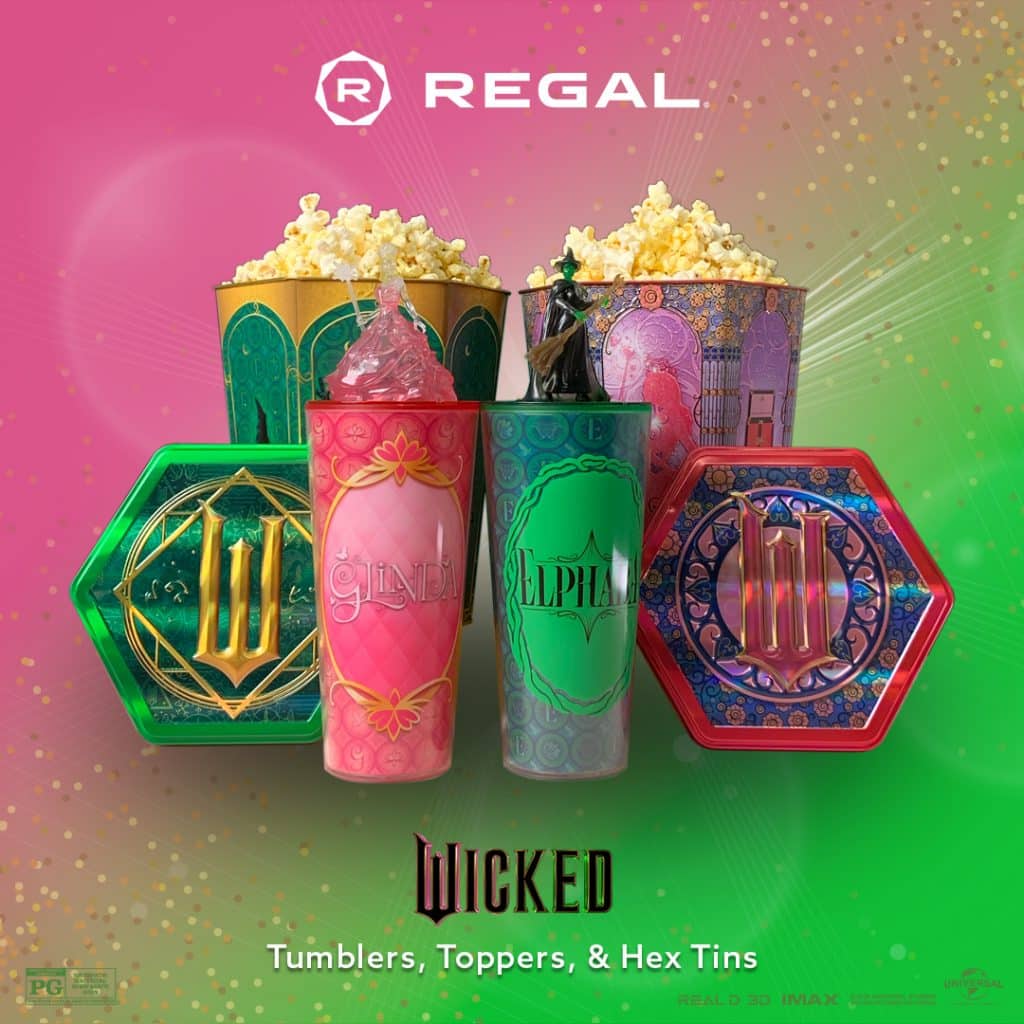
wicked marketing merch

Source: Regal

Organic Social

TikTok and Instagram did a lot of the heavy lifting, but it wasn’t accidental. The team seeded content that encouraged:

  • Cosplay and fan edits
  • Clip reactions
  • Sound reuse

That created a feedback loop…the marketing team let it run, but monitored sentiment and virality data. This is how you turn a movie into a content flywheel!

Spotify also became a Wicked marketing lead gen tool. Playlists, pre-release sound bites, cast commentary. People don’t think of soundtracks as performance assets, but with Ariana Grande and Cynthia Erivo on the roster, it’s an engagement vector.

Playing the Long Game

Like we said, Wicked Part 2 is less about mass awareness and more about long-tail monetization. Universal is using the momentum from the first film to optimize marketing. The 18-month release gap was a strategic window to push seasonal merchandising and build fan anticipation. That cycle creates multiple revenue peaks instead of a single short-term spike.

This release strategy also gives retailers and streaming partners more time to execute. Product rotations can match campaign beats: fall fashion drops, Halloween promos, and early holiday buying cycles. Content-wise, the extended window allows for multiple touchpoints: trailer drops, new music releases, behind-the-scenes clips, creator challenges, etc. Every asset feeds the same sales funnel (across theatrical, digital, and physical retail).

Wicked Part 2 Marketing: What They’re Doing Different

No need for full brand awareness now. Everyone knows what Wicked is. The objective now is retention and anticipation.

Wicked: For Good teasers are structured to highlight story threads and unresolved arcs. Marketing content is now aligned with theory-building and speculation. That’s how you get people rewatching Part 1 and continuing your long-tail engagement.

Back again with the green and pink! But now we’re getting darker contrast, character-specific lighting cues, and thematic evolution that reflects Elphaba’s progression.

The final trailer dropped 58 days out from release, getting 113M views in 24 hours. The holiday slot isn’t coincidence either. Films released in that window average 23% stronger opening weekend revenue. That window also aligns with key retail timelines, giving merch partners like Target and Amazon the 45-60 days they need for production, inventory setup, and distribution.

  • Inventory spread across two years = better sell-through
  • Seasonal rotations tied to promo moments (Halloween, back-to-school, holiday)
  • Specific merch SKUs (Glinda vs. Elphaba) allow precise shelf-space optimization

The timing keeps content relevant and context-aware instead of burning out interest too early.
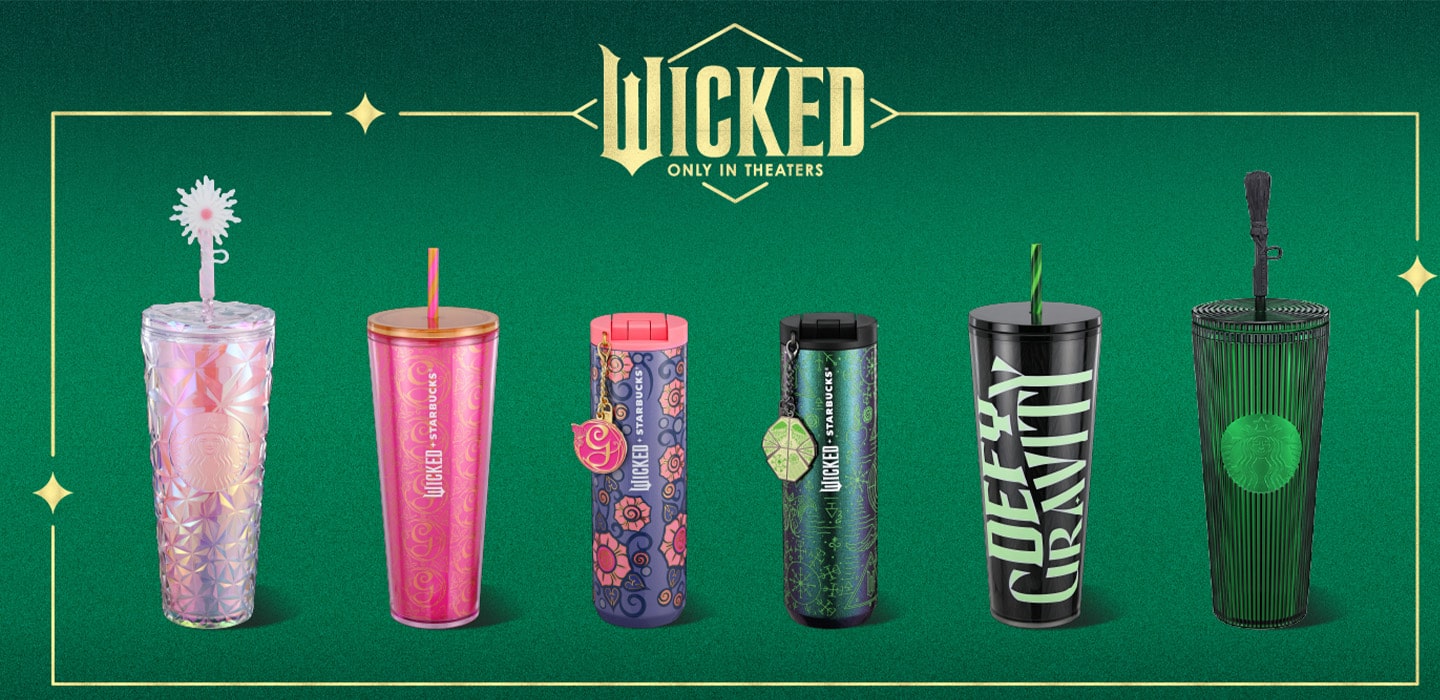
Starbucks-Wicked marketing-merch

Source: Starbucks

The Big Picture

Wicked’s Part 1 built brand equity through saturation. Part 2 is using that equity to deepen the narrative bond. It’s less about reach now and more about retention, speculation, and user-driven amplification.

This is what high-functioning Wicked marketing looks like when it’s running in full sequence: audience segmentation, platform orchestration, brand alignment, and performance-based iteration.

If your team is trying to build a campaign that operates across physical, digital, and social media, MARION marketing agency can help you build a strategy!

Let’s chat. 

Marketing emails you’ll actually want to read.

Get marketing tips and news sent to 
your inbox.
This field is for validation purposes and should be left unchanged.
Name(Required)

4 Football Marketing Ideas Your Business Can Run With

The passion for football runs deep in Texas. High school, college, or pro…every game draws in thousands of football fans and sports fans, creating a vibrant atmosphere that businesses can tap into. Aligning your marketing campaigns with football season helps you connect with a highly engaged target audience and positions your brand as part of the excitement.

The History of Marketing and Football

Football has long been a cornerstone of sports marketing strategies. Since the early days of televised games, brands have seized the chance to connect with sports teams’ loyal supporters. The Super Bowl, in particular, has become as famous for its commercials as for the game itself. From iconic TV spots to stadium sponsorships and halftime promotions, businesses have used football to increase engagement and reach new audiences.

It’s now 2025, and marketing efforts have expanded. Social media platforms, streaming services, and online communities allow brands to create engaging content and connect with a broader audience before, during, and after live events. From hashtag challenges to real-time fan engagement and limited-time promotion ideas, football offers countless ways to produce quality content that resonates.

Successful Super Bowl Ads

Marketing Campaign Ideas for Football Season

Football season is the perfect time to be fun with your marketing campaigns. The excitement, the camaraderie, and the sheer passion of fans create a unique environment where brands can make a big impact. Here are four creative marketing ideas to help your brand this football season.

1. Fan Loyalty Program

Loyalty programs aren’t new. Brands in nearly every industry use them to keep customers engaged and coming back. The concept is proven: reward repeat interaction, and you build a stronger connection. This football season, you can bring that same winning formula to your business with a Fan Loyalty Program built around the excitement of the game.

Start by giving customers a “fan card” or digital check-in option. Each time they make a purchase during football season (especially on game days) they earn points toward rewards. Those rewards could be:

  • Discounts on future purchases
  • Exclusive branded merchandise (shirts, hats, drinkware, etc.)
  • Early access to new products or services
  • Free add-ons or upgrades with purchases
  • Access to special events you host, such as watch parties or customer appreciation nights
  • Tickets to local football games
  • Gift cards to your store or partner businesses
  • VIP seating or reserved spots at events you sponsor
  • Personalized thank-you packages for top participants
  • Social media shout-outs and features on your website
The more they participate, the more they feel like part of an insider club that’s tied to both your brand and their team spirit.

You can also build momentum by offering double points on rivalry games, surprise giveaways during playoffs, or instant rewards when their team wins. Tie your promotions to the season’s emotional highs, and you’ll keep your audience engaged far beyond the stadium.

Marketing Expert Tip: Track member activity closely and use that data to send personalized offers, like special rewards when their favorite team wins.

2. Local Team Sponsorship

When football season kicks off, your business has a golden opportunity to connect with an energized community…by sponsoring your local team!

A local sponsorship can go so much farther than just logo on a banner. After all, it’s the perfect chance to stand alongside something your audience already supports. It doesn’t matter if it’s high school Friday night lights or a youth league, your presence on the field, in programs, and across team social media keeps your brand in front of fans all season.

Ways to maximize your sponsorship:
  • Host a Game Night Giveaway – Hand out free merch or services to lucky fans in the stands.
  • Feature the Team on Your Social Media – Share game highlights, athlete interviews, and upcoming match schedules.
  • Create Special Game Day Offers – Offer discounts when customers wear team gear to your store.

A local football sponsorship builds community goodwill while driving brand recognition, turning hometown pride into long-term customer loyalty. When the scoreboard lights up, make sure your brand is part of the winning moment!

3. Game Day Recipe Contest

When fans gather for football, the food is almost as important as the score. This season, stand out from the pack by hosting a Game Day Recipe Contest that brings your customers’ creativity to the table and keeps your business in the conversation long after the final whistle.

Invite customers to submit their best tailgate or watch-party recipes. Ask them to share a photo and the story behind their dish. These personal touches create content that’s perfect for your social media marketing, website, and email newsletters…turning your audience into both the creators and the stars of your digital marketing.

Each week, you can highlight standout submissions, encourage fans to vote, and celebrate winners with themed prizes such as team gear, local dining gift cards, or branded cookware. At the end of the season, consider compiling the top entries into a downloadable digital cookbook that features your brand on every page. You can even take it a step further by hosting a live cook-off at a local venue, giving the community a chance to taste and cheer on their favorites.

Marketing Expert Tip: ALWAYS repurpose user-generated recipes and photos throughout the season in your email marketing campaigns and social channels for authentic, ongoing engagement.

4. Tailgate Kit Giveaway

Everyone knows that football season is prime time for tailgating. Your business can tap into that excitement! But how?

A tailgate kit giveaway can include fan favorites like a portable grill, folding chairs, team-themed drinkware, snacks, and a cooler. Add in a branded item or two so your company stays in the spotlight long after kickoff.

How to run your giveaway:
  • Collect Entries In-Store and Online – Give customers a chance to sign up when they visit your location or website.
  • Promote on Social Media – Post photos and videos of the kit to spark interest.
  • Announce the Winner Before a Big Game – Build anticipation by revealing the winner right before a major matchup.
  • Partner with a Local Influencer or Sports Personality – Gain more reach by having them help promote the giveaway.
  • Offer Bonus Entries – Give extra chances to win when customers make a purchase, refer a friend, or share your post.
Bonus:
  • Incorporate a Community Tie-In – Donate a smaller kit to a local charity or youth sports team to add goodwill.

This type of promotion brings energy to your brand, drives foot traffic, and creates shareable moments online.

Marketing Expert Tip: Follow up with all entrants after the contest with a thank-you email blast and a special offer to turn new leads into customers!

Score Big with MARION’s Marketing Expertise

Now is the time to get in the game and make the most of this football season.

At MARION, we create sports marketing strategies that connect with your target audience, increase engagement, and deliver measurable results. From full-service campaigns to focused marketing projects, our Houston marketing agency is ready to help.

Get in touch with our team today!
Marketing emails you’ll actually want to read.

Get marketing tips and news sent to 
your inbox.

This field is for validation purposes and should be left unchanged.
Name(Required)

When is the right time to hire a marketing agency?

When it comes to marketing partnerships, Timing is everything.

Knowing when to hire a marketing agency can be tricky. Outsourcing your marketing efforts could be a game changer, but it’s not always the right move at the right time. If you’re trying to grow, rebrand or take your company to the next level, partnering with the right agency can help you do so more effectively. But if your business is struggling in other areas or you’re facing an existential crisis, jumping into a marketing investment might not be the best course of action.

Let’s take a look at when you should (and shouldn’t) bring in a marketing agency.

When you shouldn’t hire a marketing agency.

1. Your business is struggling.

If your company is facing a crisis, such as serious financial or operational challenges, now is not the time to invest in a marketing agency. Marketing can’t save a business that’s already in survival mode. If your business is on the verge of closing its doors, it’s better to focus on fixing internal problems first, such as improving your product, cutting costs or streamlining operations. Marketing can be an important part of recovery — but only once the business has a solid foundation and a clear direction.

2. You’re not ready to commit to long-term initiatives.

Marketing isn’t a one-time fix. It’s a long-term effort that requires planning, testing and consistency over time. If you’re just looking for a quick boost in sales, a marketing agency might not be the right answer. Marketing agencies typically work with clients on ongoing initiatives that require time and attention. A quick-fix mentality often leads to disappointment and wasted resources.

3. You don’t have a defined company DNA or clear goals.

A marketing agency can help refine and promote your branding — but if your company’s identity isn’t fully developed, or if you don’t know what you stand for, it’s hard to expect an agency to work their magic. Before outsourcing, make sure you have a clearly defined DNA (or sense of company identity) and concrete goals in place. If you’re still figuring out who you are as a business, it may be worth taking the time to work on your identity before seeking professional help with branding.


When you should hire a marketing agency.

1. You’re ready to rebrand or relaunch.

Rebranding can be one of the most transformative and rewarding steps for a business, but it’s also a big job. If your company has changed — whether that’s through leadership, product offerings or a shift in market positioning — now might be the right time to consider working with an agency. A rebrand is the perfect opportunity to refine your messaging, update your branding and develop a fresh marketing approach that better aligns with your current business goals.

Hiring a marketing agency for this process ensures you have a team of experts guiding the transformation, providing everything from market research to brand design and execution. Plus, agencies can help ensure the rebrand resonates with your target audience.

2. You’ve hit a growth plateau.

If your company is stuck in a rut, hiring a marketing agency can give you the fresh perspective and strategic direction you need to supercharge growth. Agencies, like Design At Work, have experience working with businesses at various stages of growth, so they can help you pinpoint opportunities to strengthen existing relationships and reach new customers through various marketing and advertising channels. They can also help you evaluate the strength of your current messaging and visual branding, as it’s possible outdated materials may be hindering your company’s continued growth.

3. You need specialized expertise.

Marketing covers a lot of ground — everything from search engine optimization and content creation to paid ads, social media and email campaigns. If your team lacks expertise in any of these areas, it’s time to consider hiring an agency. Even if you have an in-house team, they may not have the bandwidth or specific skillset to take your marketing efforts to the next level.

Outsourcing some or all of these tasks gives you access to a whole team of specialized professionals who can handle the complexities of branding and marketing, allowing you to focus on other aspects of your business.

4. Your team is overwhelmed.

As a growing business, your internal marketing or sales team may not have the time or resources to keep up with everything on their plate. If your team is stretched thin — whether due to rapid expansion or just the daily grind of basic marketing efforts — hiring an agency can help lighten the load.

Agencies are great at providing support during high-demand periods, like big product launches or seasonal promotions. They can help manage your content calendar, design recurring content and ensure your marketing stays consistent, while your internal team focuses on other pieces of the marketing puzzle.

The decision to hire a marketing agency should come after careful consideration of your company’s needs and objectives. While marketing can certainly help fuel growth and brand recognition, it’s not a magic solution to internal problems or business struggles.

If you’re looking to enhance your brand, accelerate growth or leverage specialized expertise, working with a marketing agency can help you achieve your goals more effectively. But if your business is facing deeper challenges, it might be worth addressing those first before diving into a new partnership.

Need guidance on whether it’s time for your business to outsource some or all of its marketing? Contact us!

9 Brilliant Examples of B2B Websites for Design Inspiration

Creating a B2B website can be daunting because you want to convey a lot of information at once in a professional manner without losing the visitor’s interest. This is especially challenging because it takes a lot of work to make technical jargon sound exciting.

What is a B2B Website?

A business-to-business (B2B) website is a company website that intentionally speaks to business professionals. Unlike a straightforward B2C website, B2B websites need to target multiple decision-makers from different levels in a company without losing focus or sacrificing relevance.

What Makes a Great B2B Website?

Not all websites are created equal. A great B2B site has a few key things going for it:

  • It’s easy to use (no one wants to dig through a maze of menus).
  • It nails the “why us” message right off the bat.
  • It looks fantastic on any screen, big or small.
  • It’s fast — like blink-and-it’s-there fast.
  • And it knows how to nudge you with just the right CTA.
In need of more design help? The professionals at our web design company in Houston can turn your website vision into a reality.

If you’re an industrial business, check out our related article for more specific examples of the best manufacturing website design and our guide to digital marketing for manufacturers. You’ll learn about user experience and how to improve your manufacturing company’s SEO.

9 B2B Web Design Examples

Balancing all these fine lines can be difficult, but luckily for you, here are some B2B site examples that you can draw inspiration from! See what makes a good business website to help improve the vision you have for your own brand.

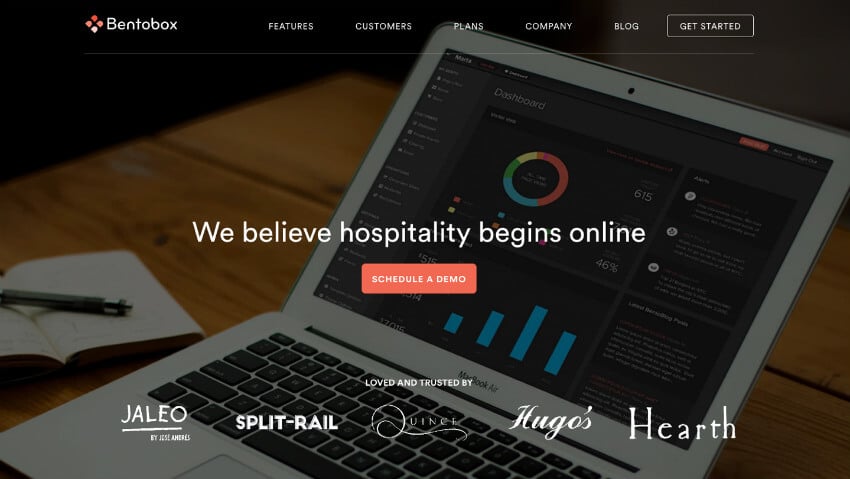
1. Bentobox

best B2B websites

Bentobox

Bentobox follows the mantra that “less is more” by letting their copy speak for itself. A minimalist approach is hard to find in B2B industries where companies often bog website visitors down with too much information on the first page.

Bentobox gets straight to the point with a call-to-action button in the center of the landing page that stands out among the other muted colors. A simpler home page also improves page load speed.

A fast-loading site is important because 47% of users expect a maximum load time of 2 seconds, and 40% of visitors will abandon sites that are still loading after 3 seconds.

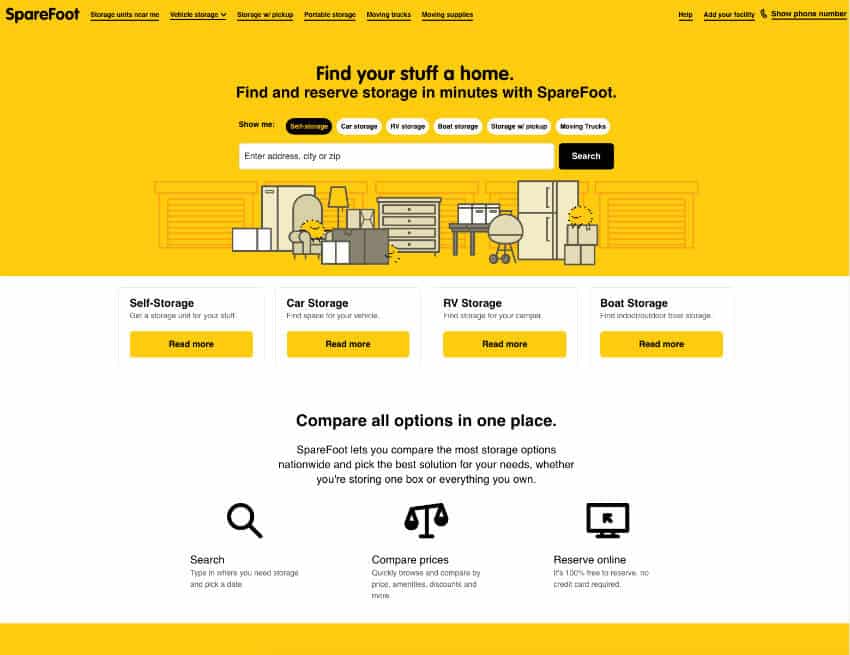
2. SpareFoot

B2B website design

SpareFoot

SpareFoot manages to get away with the text-heavy homepage by breaking it up with a cheeky image and organizing the options to make it easier for prospective customers to choose what they need. Everything you need is neatly organized and just a click away.

Instead of dryly listing all the options they have, they allow you to search the nearest units near you straight from the homepage for quick ease of use. The playful image ties everything together- without it, the website would look quite monotonous and ordinary.

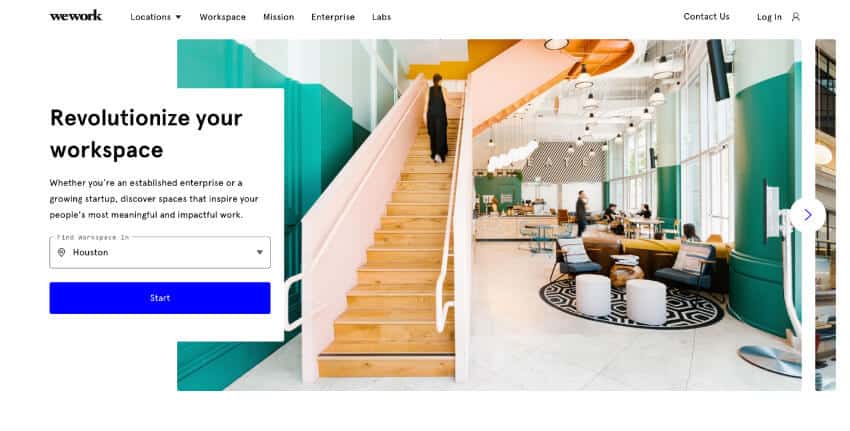
3. WeWork

B2B website design agency

WeWork

WeWork uses visually appealing pictures of their workspaces to create pleasing displays on its website and showcase available locations to potential customers. The clean and light design evokes a sort of blank slate for your needs, which follows their business philosophy.

Looking for a visually compelling layout on your new B2B site? The web design veterans at MARION’s website design company in Austin have years of experience delivering stunning end results!

One of the most effective design elements in this B2B website design is the personalized location search that automatically pulls where you are. This simple feature makes it easier for both you and the customer by anticipating their needs and getting them to click the call-to-action that much faster.

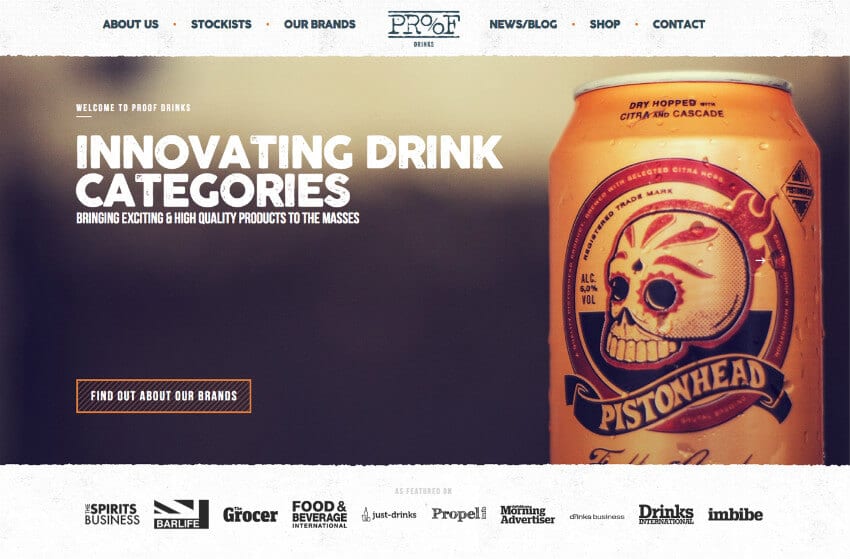
4. Proof Drinks

business to business website design

Proof Drinks

Proof Drinks leans into their edgier aesthetic by prominently showcasing one of their example product brands as the hero image. Their copy supports this decision with words like “exciting” and “innovating”.

If you were a brewery looking for a company that supports creativity, it’d be easy to be drawn to Proof Drinks. Overall, you immediately get the gist that this is a unique company that prides itself on their dynamic culture and philosophy.

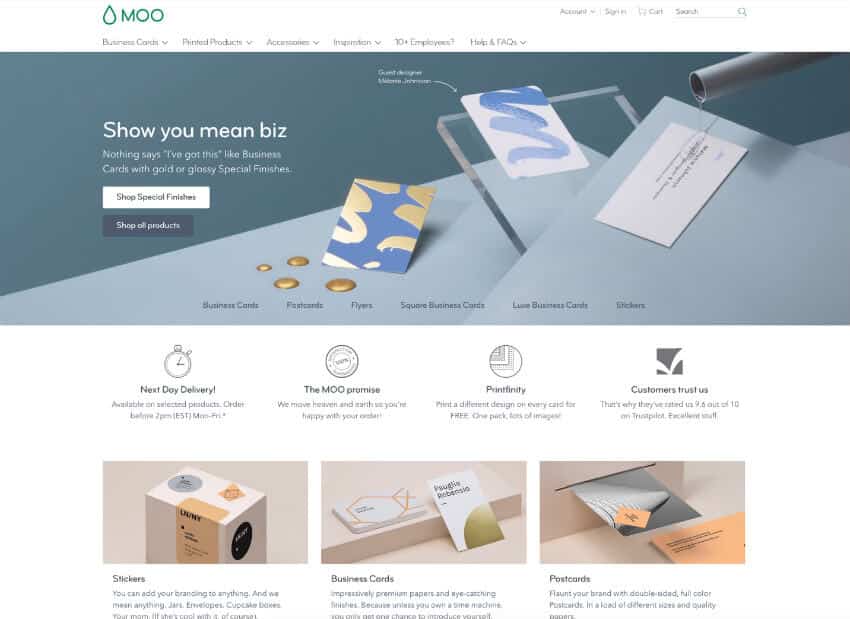
5. MOO

best B2B site examples

MOO

MOO makes the boring art of business card printing look trendy and fun. Their website is a great example of how to transform a traditionally dull service into an engaging and visually appealing experience. The perfectly curated design pulls you in from the get-go, and the casual, conversational copy shows they’re far from your average printing company. Every detail on the site feels intentional, and it’s streamlined to make the entire customer experience as user-friendly as possible.

They don’t just present their services; they make you want to stick around and explore. From the vibrant visuals to the effortless navigation, everything is designed to engage visitors and keep them coming back. Compared to the traditional cut-and-dry printing companies, MOO stands out in every way. It’s not just about getting the job done; it’s about making the process enjoyable while showing off all the details that set them apart.

6. Zoom

B2B website design examples

Zoom

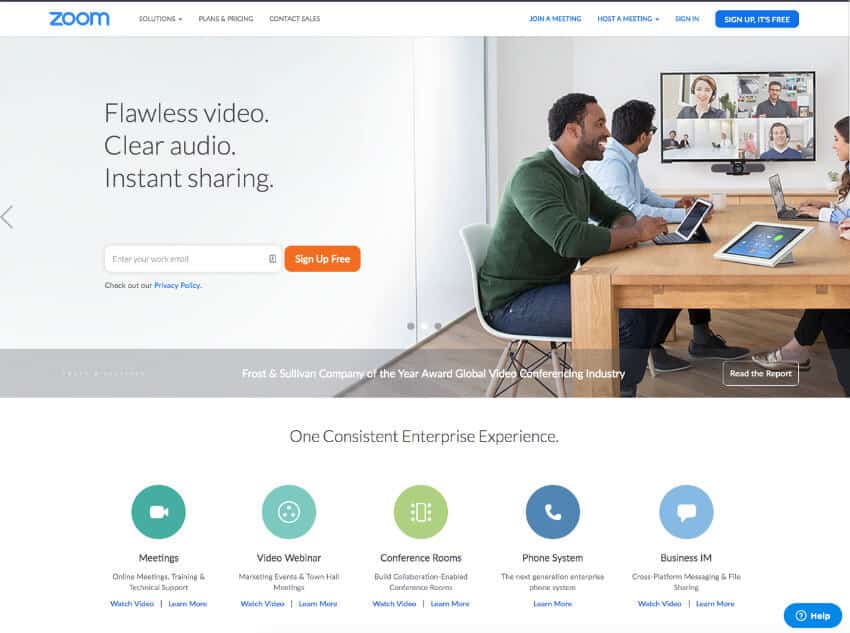
Zoom has a no-nonsense and professional website that gets straight to the point. From the moment you land on the page, it’s clear they’re not here to waste your time. The design is clean and professional, making it easy to focus on what really matters. The copy doesn’t beat around the bush — it’s short, clear, and tells you exactly what you need to know without drowning you in jargon or unnecessary details.

The call-to-action is impossible to miss, letting you sign up or start using the company’s services right away. No digging around or jumping through hoops. Everything about their product and service solutions is neatly organized and presented on one page, so you can quickly understand what they offer without endless scrolling or confusion.

What’s even better is that there aren’t any distracting elements pulling your attention away. Zoom’s site is designed with purpose, just like their platform. It’s straightforward, intuitive, and gets you where you need to go in just a few clicks. It’s a no-nonsense approach that makes the process of getting started feel effortless; exactly what you’d expect from a company that prides itself on efficiency and reliability.

7. Aiia

best business to business websites

Aiia

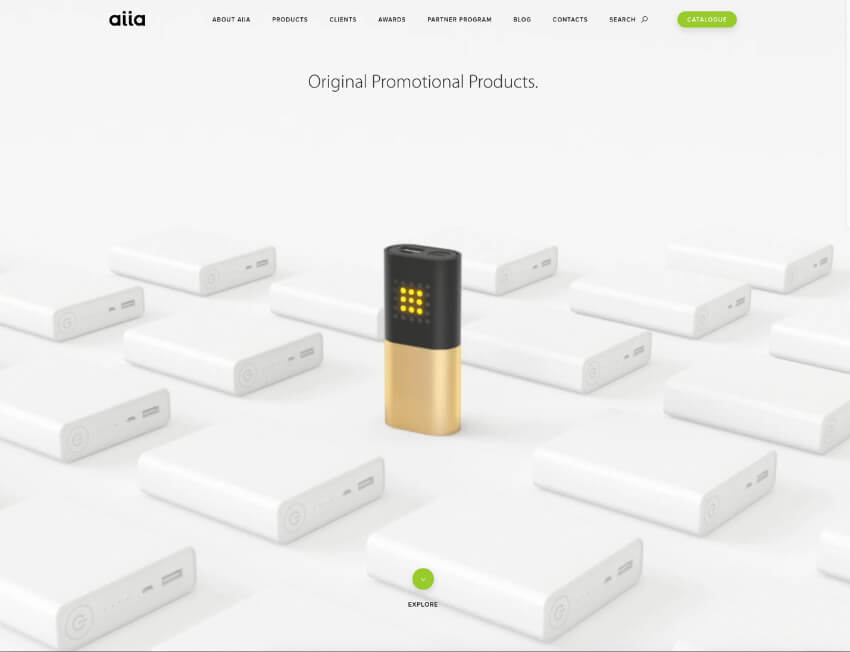
Aiia lets their product speak for itself with an image that takes up the entire homepage. The picture tells the story of their simple tagline, “Original Promotional Products” and shows that their values and products break from the norm.

Aiia’s website proves that sometimes you just need an impactful photo to do all the heavy work. When you scroll down the page, it transforms into a promotional video that showcases their newest and most exciting products.

8. Rocka

great B2B websites

Rocka

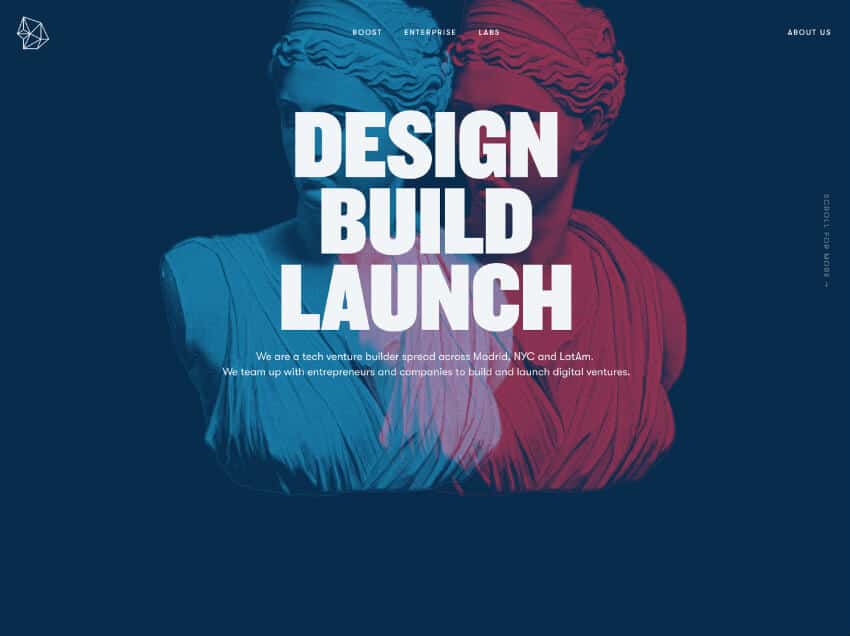
As one of the most experimental website designs on this list, Rocka highlights their innovation and youthful energy with a unique background image and bold typography. The modern design is a departure from other B2B websites, which works for newer companies.

If you’re not as established as other companies, a dynamic landing page might catch the attention of a prospective partner. New visitors might be intrigued and want to learn more. Even the best B2B websites can lean towards boring, but you can’t accuse this one of being dull!

9. Pixelgrade

top B2B websites

Pixelgrade

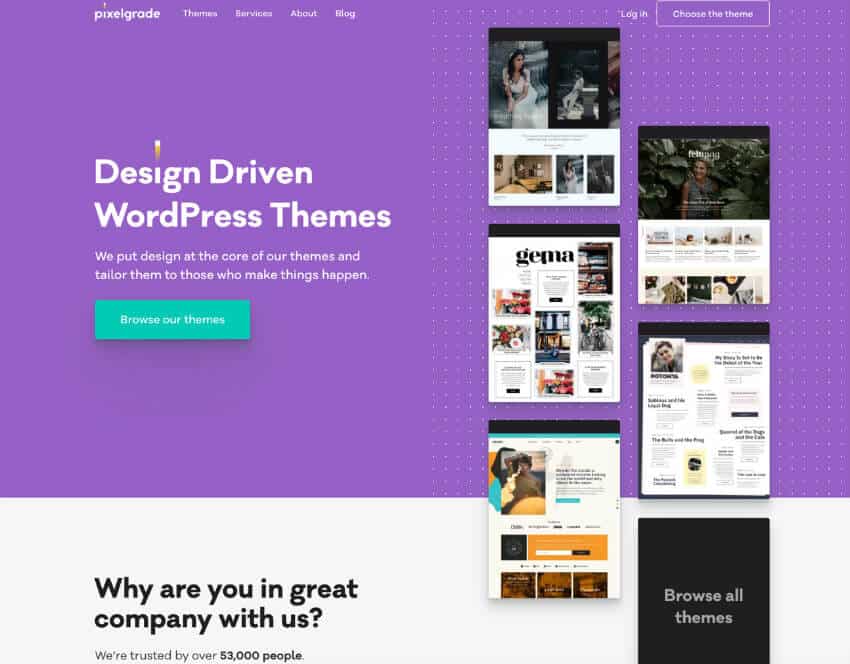
Pixelgrade’s home page showcases its different themes on the right-hand side in a way that makes it “bleed” down, making you scroll further to discover more and read on. The distinctive color scheme also makes it so that the call-to-action button heavily contrasts against the background without being jarring. All the basic design elements work together to create an engaging website.

It’s not just about function; a little flair goes a long way. Think bold color palettes, layouts that don’t scream “template,” and interactive features that make you want to stick around longer. A well-designed site says, “Hey, we know what we’re doing.”

Quick Tips for Building Your B2B Website

Thinking of revamping your site? Here’s the cheat sheet:

  • Pick a platform that makes sense for your goals and budget.
  • Consider working with pros. DIY can only take you so far.
  • Focus on your target audience. What do they need, and how can your site deliver?

Trust MARION with Your B2B Web Design

If you’re thinking, “Wow, our website could use some love,” you’re in the right place. With over 40 years of marketing experience, MARION has the right team to create a visually engaging website for your brand. The strategic approach of our digital marketing agency marries the best user experience and graphic design practices to deliver a revenue-generating machine.

Reach out to our Houston, Austin, and Dallas web design agency, and we’ll show you how to turn your B2B website into your best salesperson. It all starts with a quick conversation. Let’s talk

Marketing emails you’ll actually want to read.

Get marketing tips and news sent to 
your inbox.

This field is for validation purposes and should be left unchanged.
Name(Required)

Beetlejuice vs. Barbie: Two Winning Marketing Campaigns

When it comes to movies, Beetlejuice and Barbie couldn’t be more different — and yet, both are standout marketing examples of how to build excitement, captivate audiences, and ensure box office success. From nostalgic callbacks to playful reinvention, these films offer unique approaches to marketing that brands can learn from.

Let’s dive into how the marketing campaigns behind Beetlejuice and Barbie set the stage for their iconic status.

Beetlejuice’s Nostalgia Marketing

Beetlejuice, directed by Tim Burton, has long been a cult classic since its release in 1988. So, when a sequel was announced, their team leaned heavily on nostalgia marketing. Fans of the original film were eager to revisit the quirky world of the Ghost with the Most, and the campaign smartly played into that sentiment.

Targeting the Original Fans

The marketing for Beetlejuice Beetlejuice primarily spoke to fans of the original, using references to iconic scenes, quotes, and characters. For brands, this is a powerful strategy. If you can tap into an already-established audience’s emotional connection, you’re already halfway to winning their loyalty.

Playful Teasers

Early teaser trailers and posters for the sequel highlighted Michael Keaton’s return as Beetlejuice, with the tagline “It’s Showtime!” This throwback to one of the original’s most famous lines helped rekindle excitement and anticipation.

Social Media Buzz

The campaign also utilized social media to reach new audiences while still catering to long-time fans. By sharing behind-the-scenes footage, throwback clips, and fan art, Beetlejuice marketing kept the conversation alive and well.

The Barbie Movie’s Fresh Take

On the other hand, Barbie had a completely different challenge — reinventing a decades-old brand for a modern audience. The Barbie movie marketing team knew that they had to break away from the traditional “pink and perfect” image associated with the doll and turn it into something fresh, funny, and deeply relatable.

Subverting Expectations

The Barbie marketing campaign flipped traditional perceptions of the doll by using humor and irony. The first teaser trailer, for example, parodied 2001: A Space Odyssey, signaling that this wasn’t your typical Barbie movie. This strategy not only generated curiosity but also attracted an audience that might not have been interested otherwise.

Collaborations and Partnerships

Mattel and the movie’s marketing team pulled out all the stops with brand collaborations. From Barbie-themed fashion collections to custom pink shoes, Barbie went beyond the screen and into everyday life. For brands, this kind of omnichannel marketing creates a cohesive experience that feels fresh and exciting.

User-Generated Content

The Barbie campaign also tapped into the power of user-generated content (UGC). By creating fun filters, challenges, and interactive social media elements, the marketing team turned fans into brand advocates who spread the word organically.

Comparing the Two: Nostalgia vs. Reinvention

Both films used distinct marketing strategies that catered to their strengths:

  • Audience: Beetlejuice relied on the loyal fan base built over decades, while Barbie aimed to bring new life to a legacy brand by appealing to modern audiences.
  • Tone: While Beetlejuice stuck to its quirky, dark-comedy roots, Barbie surprised audiences with humor, satire, and boldness that felt fresh and in touch with current cultural conversations.
  • Brand Partnerships: While Beetlejuice focused on character and plot-driven teasers, Barbie leaned into product collaborations and lifestyle branding that turned the movie into a broader cultural moment.

Takeaways for Marketers

The creative marketing campaigns for both Beetlejuice and Barbie teach us that understanding your brand’s legacy and audience is key to crafting a winning strategy.

1. NOSTALGIA WORKS. If your brand has a long-standing history, don’t be afraid to leverage it. People love revisiting beloved characters, themes, and memories, just as Beetlejuice fans were eager for a return to Tim Burton’s eerie yet charming world.

2. REINVENTION IS POWERFUL. If you’re looking to attract a new or broader audience, take a page from Barbie and flip the narrative. By playing against expectations, you can create a buzz that gets people talking and draws in new fans.

3. OMNICHANNEL STRATEGIES BUILD HYPE. From product collaborations to social media filters, Barbie capitalized on omnichannel marketing. Having multiple touchpoints across different platforms and industries maximizes exposure and keeps the excitement going.

In the end, whether you’re marketing a nostalgic sequel or reinventing a beloved brand, understanding your audience and creating campaigns that engage and excite them are the keys to success.

Get Creative with MARION

Looking for your next great marketing campaign? At MARION, we specialize in crafting creative and tailored strategies that resonate with your audience. So, if you’re looking to tap into nostalgia or launch a brand refresh, we’ve got the tools to bring your vision to life.

Contact us today to start your next marketing campaign!

Marketing emails you’ll actually want to read.

Get marketing tips and news sent to 
your inbox.
This field is for validation purposes and should be left unchanged.
Name(Required)

A Closer Look at Paralympic Games Marketing Campaigns

With the Paris 2024 Summer Paralympic Games, businesses have a chance to connect with global audiences through marketing, advertising, and branding. The Paralympics not only highlights incredible athleticism but also emphasizes the importance of inclusivity and diversity. For brands that share these values, this event offers a powerful platform to amplify their message and expand their reach.

Why the Paralympics Matter

The Paralympic Games have grown in popularity over the years, drawing millions of viewers worldwide. Paris 2024 will shine a spotlight on athletes who exemplify resilience and the human spirit. These Games go beyond sports — they celebrate diversity and inclusion, offering companies a unique opportunity to align their brand with these inspiring themes.

Inspiration from Past Campaigns

Check out these examples of Paralympic marketing campaigns from previous years.

Paralympics Marketing Campaign

Image Source

Toyota’s “Start Your Impossible” Campaign

Toyota’s “Start Your Impossible” campaign during the 2018 Winter Games is a great example of how brands can connect with the Paralympic spirit. By telling the inspiring stories of Paralympic athletes, Toyota highlighted values like resilience and inclusivity, making a powerful impact. This kind of approach could be a great fit for brands looking to stand out during the Paris 2024 Summer Paralympic Games.

Paralympics Marketing Campaign

Image Source

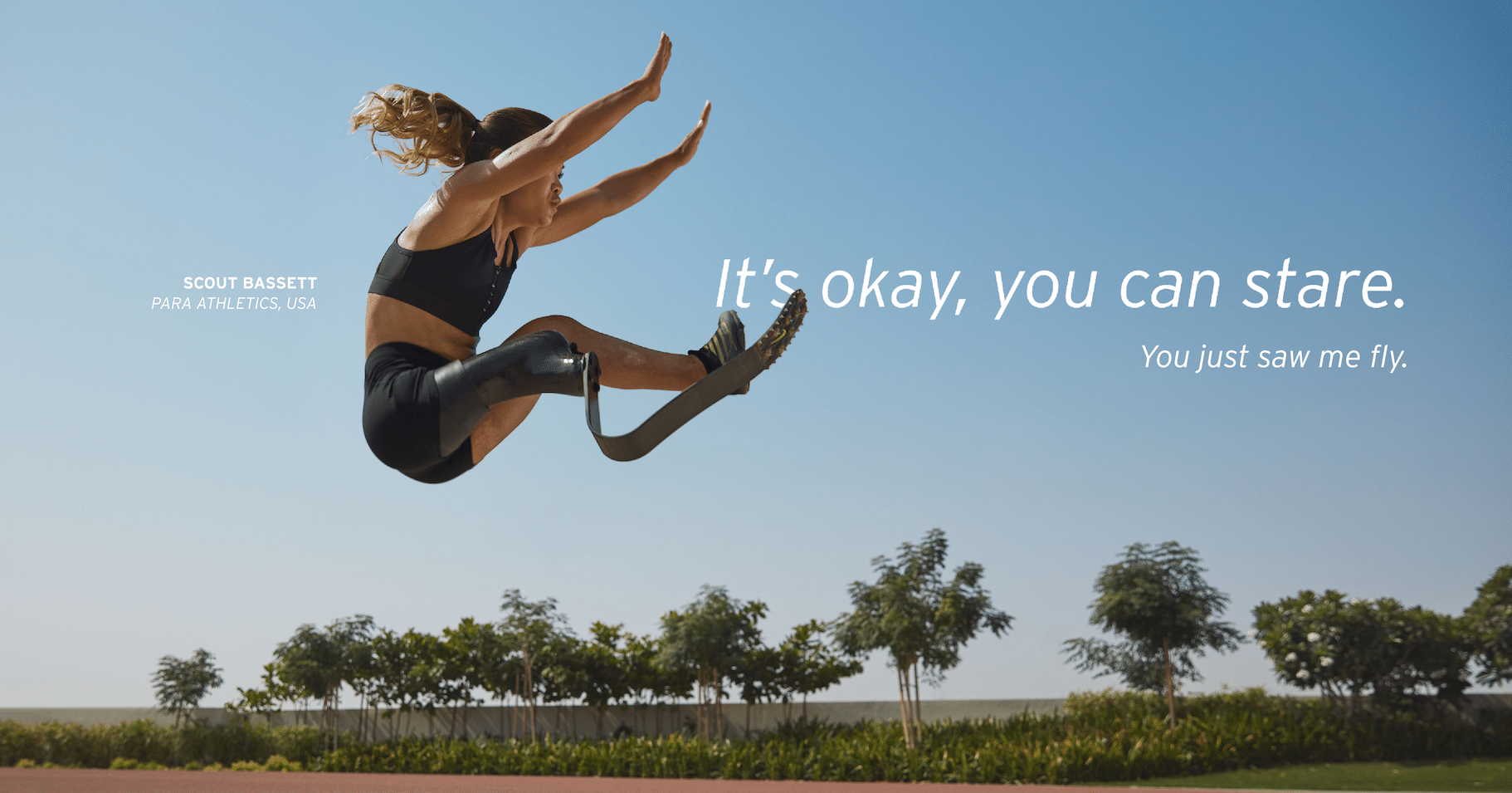
Citi’s “Stare at Greatness” Campaign

Citi’s “Stare at Greatness” campaign for the Tokyo 2020 Paralympic Games challenges perceptions by encouraging audiences to admire, rather than look away from, the achievements of Paralympic athletes. Launching globally on social media and featuring Team Citi, this campaign flips the script on how we view disabilities, turning what might be seen as a negative into a powerful, positive message of admiration and respect. By celebrating the strength and perseverance of these athletes, Citi is not just supporting the Paralympic Games — they’re also promoting a more inclusive and diverse society.

Marketing and Advertising Opportunities

  1. Inclusive Advertising Campaigns: The Paralympics is a great time to roll out inclusive marketing that highlights diversity and inclusion. Featuring Paralympians or people with disabilities in your ads can create a strong emotional connection with viewers. This not only shows your commitment to inclusion but also resonates with a wider audience that values social responsibility.
  2. Storytelling and Content Creation: Paralympic athletes have incredibly inspiring stories. Sharing their journeys through videos, social media, or blog posts can deeply engage your audience. Collaborating with athletes to tell their stories brings a human touch that can leave a lasting impact.
  3. Social Media Engagement: Just like with Olympics marketing, social media plays a huge role during the Paralympics. Engaging with your audience through live updates, athlete interviews, and behind-the-scenes content can build excitement around your brand. Using hashtags, challenges, and interactive content can also boost your reach and encourage user-generated content.

Aligning your brand with the Paralympic Games is more than just marketing — it’s about giving your brand a meaningful purpose. Consumers today are looking for companies that make a positive impact on society. By supporting the Paralympics, you’re not just promoting your products; you’re supporting a global movement that celebrates diversity and inclusion.

Start Your Inclusive Marketing Journey with MARION

Ready to make your brand more inclusive and impactful? At MARION, we’re here to help you create marketing strategies that resonate with diverse audiences and drive meaningful connections. Let’s work together to build a more inclusive future. Get started with MARION today.

Let’s get in touch!

Marketing emails you’ll actually want to read.

Get marketing tips and news sent to 
your inbox.
This field is for validation purposes and should be left unchanged.
Name(Required)

The 2024 Summer Olympics: Marketing Strategies That Inspire

With the 2024 Summer Olympics just around the corner, it’s time to delve into the history of Olympic advertising strategies and uncover the marketing magic behind this colossal event. Let’s explore how the Olympics have evolved into a masterclass in branding and what businesses can learn from these timeless strategies.

The Evolution of Olympic Advertising

The history of Olympic advertising showcases a remarkable journey from simple sponsorships to cutting-edge digital campaigns that captivate a global audience. Here’s how it started:

Early Beginnings: The First Modern Olympics

The inaugural modern Olympics in 1896 had little to no advertising. The focus was purely on the competition. As the Olympics grew in popularity, so did the marketing opportunities.

The Emergence of Sponsorships

The 1928 Summer Olympics in Amsterdam marked the beginning of corporate sponsorships, with Coca-Cola being one of the first major brands to partner with the Olympics. This collaboration set the stage for future advertising endeavors, demonstrating the potential for brands to reach a global audience.

The Television Era

The 1960 Rome Olympics were the first to be broadcast live on television, revolutionizing how people experienced the games. This new medium provided brands with unprecedented access to millions of viewers worldwide. The television era paved the way for iconic Olympic commercials and sponsorship deals.

The Digital Age

The 2000 Sydney Olympics introduced the world to the digital age of Olympic marketing. With the advent of the internet, brands could engage with audiences through online platforms, creating interactive campaigns and real-time updates.

The 2024 Summer Olympics: What’s New?

The Summer Olympics are not just a global sporting event; they are a marketing spectacle that captures the world’s attention.

  • Sustainability and Inclusivity – The 2024 Summer Olympics in Paris are set to emphasize sustainability and inclusivity. Brands aligning with these values can create campaigns that resonate with the audience’s growing concern for social and environmental issues.
  • Technological Innovations – Expect to see cutting-edge technology integrated into marketing campaigns, from augmented reality experiences to AI-driven personalized content. The 2024 Olympics will be a showcase of how technology can enhance audience engagement.
  • Localized Campaigns – With the rise of local content consumption, brands are tailoring their campaigns to specific regions, ensuring cultural relevance and deeper connections with local audiences.
2024 Summer Olympics Marketing

Key Marketing Strategies of the Olympics

You have to appreciate how the Olympics manage to get the whole world glued to their screens every couple of years. But what exactly is their marketing team doing to achieve this? Let’s take a look.

Leveraging Global Reach

The Olympics are watched by billions of people worldwide, making them a prime opportunity for brands to showcase their products on a global stage. Brands leverage this reach to create memorable campaigns that resonate with diverse audiences.

Storytelling and Emotion

Olympic advertising often focuses on storytelling, highlighting the journeys of athletes and the spirit of competition. This emotional appeal fosters a connection between the audience and the brand, creating lasting impressions.

Multi-Platform Campaigns

Modern advertising strategies utilize multiple platforms, including television, social media, and digital content, to create integrated marketing campaigns. This multi-platform approach ensures that the message reaches the audience wherever they are.

Ambush Marketing

While official sponsors have exclusive rights, other brands often engage in ambush marketing to associate themselves with the Olympics without being official sponsors. This tactic requires creativity and careful execution to avoid legal repercussions while still capturing the audience’s attention.

Lessons for Your Business

  1. Build a Strong Narrative – Just like Olympic advertisers, your business can benefit from storytelling. Create a compelling narrative that connects with your audience on an emotional level.
  2. Embrace Multi-Platform Strategies – Utilize various platforms to reach your audience. Consistent messaging across TV, social media, and digital content can amplify your brand’s presence.
  3. Stay Relevant and Authentic – Align your marketing strategies with current trends and values, such as sustainability and inclusivity. Authenticity in your messaging can build trust and loyalty among your customers.

Ready to Elevate Your Marketing Game?

Inspired by the Olympic marketing strategies? At MARION, we bring the same level of creativity and execution to help your business shine. Let’s create a gold-medal-worthy marketing campaign together. Contact us today to get started!

Marketing emails you’ll actually want to read.

Get marketing tips and news sent to 
your inbox.
This field is for validation purposes and should be left unchanged.
Name(Required)

Marketing Insights from Summer 2024 Blockbusters

As we dive into the hot summer of 2024, Hollywood is back with a lineup of highly anticipated movies, each with an incredible marketing campaign. From huge billboards in Times Square to eye-catching trailers all over social media, these blockbuster marketing strategies are all about capturing attention and building hype.

Summer 2024 Blockbuster Lineup

Summer 2024 is bursting with blockbuster movies that are sure to captivate audiences and inspire marketers alike. From the post-apocalyptic landscape of “Furiosa: A Mad Max Saga” to the genre-bending comedy “Hit Man,” there’s a diverse array of films showcasing creative marketing strategies.

“A Quiet Place: Day One,” a prequel helmed by Michael Sarnoski, expands on the alien invasion narrative with new characters played by Lupita Nyong’o and Joseph Quinn. Horror fans can look forward to “MaXXXine,” the thrilling conclusion to Ti West’s trilogy, while romance takes to the stars in “Fly Me to the Moon,” starring Scarlett Johansson and Channing Tatum. “Twisters,” directed by Lee Isaac Chung, revisits the storm-chasing genre with a fresh cast and cutting-edge visual effects.

All of these films’ marketing campaigns offer valuable lessons in building anticipation, leveraging multi-channel strategies, and creating compelling narratives that resonate with audiences.

  • The Power of Teasers and Trailers – Take notes from how studios strategically release trailers months in advance, carefully selecting scenes to evoke emotion and curiosity. For example, the thrilling previews of “A Quiet Place: Day One” have already set the internet abuzz, showcasing just enough to stir excitement without giving too much away. The takeaway? In business, whether you’re launching a new product or service, teasing your audience with compelling previews can generate excitement and anticipation.
  • Building on Established Brands and Franchises – Sequels and reboots dominate the summer blockbuster landscape, capitalizing on established fan bases and brand recognition. While originality is crucial, there’s value in building on what’s already familiar. Movies like “MaXXXine,” “A Quiet Place: Day One,” and “Twisters” are riding the wave of their predecessors’ success, drawing in audiences who are already invested in these stories.
  • The Importance of Timing – Timing is everything in blockbuster marketing. Studios meticulously plan release dates to maximize box office potential and minimize competition. For example, “MaXXXine” is being strategically released on July 5th, right after the holiday weekend, to capitalize on audiences looking for post-celebration entertainment.

Marketing Lessons from This Year’s Biggest Movies

As we marvel at the spectacle of summer 2024 blockbusters, there’s much to learn from the strategic brilliance behind their marketing campaigns. Whether you’re a small startup or an established enterprise, the principles of effective marketing—building anticipation, leveraging digital platforms, creating immersive experiences, and capitalizing on brand loyalty—are universal.

Summer Blockbuster Marketing

So, as you plan your next marketing campaign, take a page from Hollywood’s playbook. Think big, engage creatively, and remember that the journey from anticipation to satisfaction is what keeps audiences—and customers—coming back for more.

1. The Power of Anticipation

Build buzz early. Movie studios begin marketing their blockbusters months, sometimes even years, before their release dates. Teaser trailers, social media hints, and behind-the-scenes looks create anticipation and excitement.

Lesson for Your Business: Start your marketing campaigns early. Whether it’s a new product launch or an upcoming event, build anticipation with sneak peeks, teasers, and early announcements. Use social media, email newsletters, and blog posts to keep your audience engaged and excited.

2. Multi-Channel Marketing

Reach audiences everywhere. Blockbuster movies leverage various channels to reach their audience: TV commercials, PPC ads, influencer partnerships, outdoor billboards, and more.

Lesson for Your Business: Utilize a multi-channel marketing approach to maximize your reach. Combine online and offline marketing tactics. For instance, complement your digital ads with direct mail campaigns or local event sponsorships. The goal is to be where your audience is, across various platforms.

3. Storytelling

Create emotional connections. Movies are all about storytelling, and their social media campaigns often reflect this. Trailers, posters, and promotional content tell a compelling story that resonates with the audience.

Lesson for Your Business: Incorporate storytelling into your marketing efforts. Share customer success stories, the journey behind your products, or the mission of your business. Emotional connections can significantly enhance customer loyalty and engagement.

4. Influencers

Partner with the right people. Celebrity endorsements and influencer partnerships are staples in blockbuster movie marketing. These collaborations help tap into the influencer’s fan base and add credibility to the campaign.

Lesson for Your Business: Identify influencers or local personalities who align with your brand and can help amplify your message. Collaborations can range from social media shoutouts to co-hosted events. Ensure the partnership feels authentic and mutually beneficial.

5. Interactive and Experiential Marketing

Engage your audience. Movie marketing often includes interactive elements like augmented reality (AR) experiences, themed merchandise, and live events. These create memorable experiences that deepen audience engagement.

Lesson for Your Business: Think of ways to make your marketing interactive. Host contests, create AR experiences, or offer exclusive merchandise. Experiential marketing can leave a lasting impression and encourage word-of-mouth referrals.

6. Consistent Branding

Maintain a cohesive look and feel. From posters to trailers, blockbuster movie campaigns maintain consistent branding. This cohesive look and feel help build recognition and trust.

Lesson for Your Business: Ensure consistency in your branding across all marketing materials. Use the same colors, fonts, and messaging in your ads, social media posts, and website. Consistent branding reinforces your identity and makes your business more memorable.

7. Analyzing Data and Feedback

Learn and adapt. Movie studios closely monitor audience reactions and box office performance to refine their marketing strategies for future releases.

Lesson for Your Business: Use analytics tools to track the performance of your integrated marketing campaigns. Pay attention to customer feedback and adjust your strategies accordingly. Continuous improvement based on data and feedback is key to long-term success.

Grow Your Business with MARION Integrated Marketing

So, when you’re gearing up for your next big marketing move with MARION, think bold, get creative, and remember that journey from anticipation to customer delight. Just like a blockbuster captivates audiences, MARION can help captivate yours.

Our outsourced marketing agency is located right here in Texas, ready to team up and make your marketing dreams a reality. Visit our website to learn more or give us a call today!

Marketing emails you’ll actually want to read.

Get marketing tips and news sent to 
your inbox.
This field is for validation purposes and should be left unchanged.
Name(Required)

Nostalgia Marketing in the Age of Gen Z: Connecting Past with Present

Raised in the era of smartphones and social media, Gen Z is known for its tech-savvy nature and short attention spans. However, there’s a powerful tool that marketers can leverage to capture the attention and loyalty of this generation: nostalgia.

How Nostalgia Can Win Over Gen Z

Nostalgia marketing involves tapping into sentimental feelings and memories from the past to evoke positive emotions and connect with consumers. While one might assume that nostalgia primarily resonates with older generations, it turns out that Gen Z is also susceptible to the allure of nostalgia-driven marketing strategies.

Why Nostalgia Marketing Works

Gen Z may be young, but they have a deep appreciation for cultural references and trends from previous decades. Here’s why nostalgic marketing is effective with Gen Z:

  • Escape from Digital Overload: Despite being digital natives, Gen Z craves authenticity and genuine experiences. Nostalgia provides a break from the constant bombardment of digital content by invoking familiar and comforting memories.
  • Emotional Connection: Nostalgia triggers positive emotions associated with past experiences, making brands that use nostalgia more relatable and trustworthy to Gen Z consumers.
  • Desire for Authenticity: Gen Z values authenticity and sincerity in brands. Nostalgia marketing can help brands convey authenticity by tapping into shared cultural experiences.

Nostalgia Marketing Strategies for Gen Z

Looking for nostalgic marketing strategies tailored for Gen Z? We’ve got you covered.

1. Incorporate Retro Design Elements

Use vintage-inspired visuals, fonts, and color schemes in your branding and advertising. Think ‘90s-inspired graphics or retro video game aesthetics to capture Gen Z’s attention and evoke nostalgic feelings.

2. Resurrect Iconic Brands or Characters

Bring back beloved brands, products, or characters from the past in a fresh and modern way. For example, reviving classic cartoons or iconic snack foods can generate buzz and excitement among Gen Z.

3. Tap into Throwback Trends

Identify popular trends or cultural moments from previous decades and incorporate them into your marketing campaigns. Whether it’s ’80s music, ’90s fashion, or retro gaming, aligning with nostalgic trends can resonate with Gen Z’s appreciation for vintage culture.

Examples of Successful Marketing Campaigns that Leveraged Nostalgia

Check out these incredible examples of successful nostalgia-driven campaigns that captivated audiences and left a lasting impression — these marketers nailed it!

Barbie: “Barbie” Movie Sensation

Barbie, the iconic doll brand, made a nostalgic comeback with the announcement of a live-action Barbie movie starring Margot Robbie. The film aims to reimagine Barbie for a modern audience while paying homage to the nostalgia associated with the beloved toy brand. By capitalizing on the emotional connection that millennials and Gen Z have with Barbie, the movie is poised to generate excitement and engagement among younger audiences.

Pokémon: “Pokémon GO” Phenomenon

Everyone remembers the summer of 2016 when the release of “Pokémon GO” took the world by storm. The app appealed to a wide range of players, including Millennials and Gen Z. The augmented reality mobile game allowed players to capture and train Pokémon in real-world locations, tapping into the nostalgia of the original Pokémon games and TV series from the late ’90s and early 2000s. The game’s success demonstrated the enduring appeal of nostalgic content among younger audiences.

McDonald’s: Grimace Revival

McDonald’s recently brought back Grimace, the beloved purple character from its iconic advertising campaigns of the past. By reintroducing Grimace in digital and social media marketing, McDonald’s taps into nostalgia while appealing to Gen Z’s love for retro pop culture.


View this post on Instagram


A post shared by McDonald’s (@mcdonalds)

Discover the Next Generation of Marketing with MARION

Ready to implement nostalgia marketing campaigns that resonate with your audience? MARION is here to help! As a leading digital marketing agency in Houston and Austin, we specialize in creating innovative and impactful campaigns that capture attention and drive results. Ready to connect with consumers through the power of nostalgia?

Contact us today to find out how we can tailor our services to elevate your brand’s presence.

Marketing emails you’ll actually want to read.

Get marketing tips and news sent to 
your inbox.
This field is for validation purposes and should be left unchanged.
Name(Required)

March Madness Marketing Opportunities Brands Need to Know

With its widespread popularity and huge fan base, it’s no surprise that March Madness presents a prime opportunity for companies to connect with consumers on a personal level and drive meaningful engagement. In this blog, we’ll share insights into why March Madness is a fantastic business opportunity and provide examples of successful marketing campaigns to inspire your own strategies.

Why March Madness Matters

To some, March Madness is just about basketball. But to marketers, it’s a once-a-year phenomenon that captivates the eyes of millions of prospects across the country.

According to statistics, the NCAA generated nearly $1.3 billion in revenue for 2022-23 alone, underscoring its significance as a marketing powerhouse.

Examples of Successful March Madness Marketing Campaigns

Buffalo Wild Wings

The popular sports bar chain launched its “B-Dubs Bracket Challenge,” inviting customers to predict tournament outcomes for a chance to win prizes. This campaign not only drove foot traffic to Buffalo Wild Wings locations but also increased brand engagement online.

Capital One

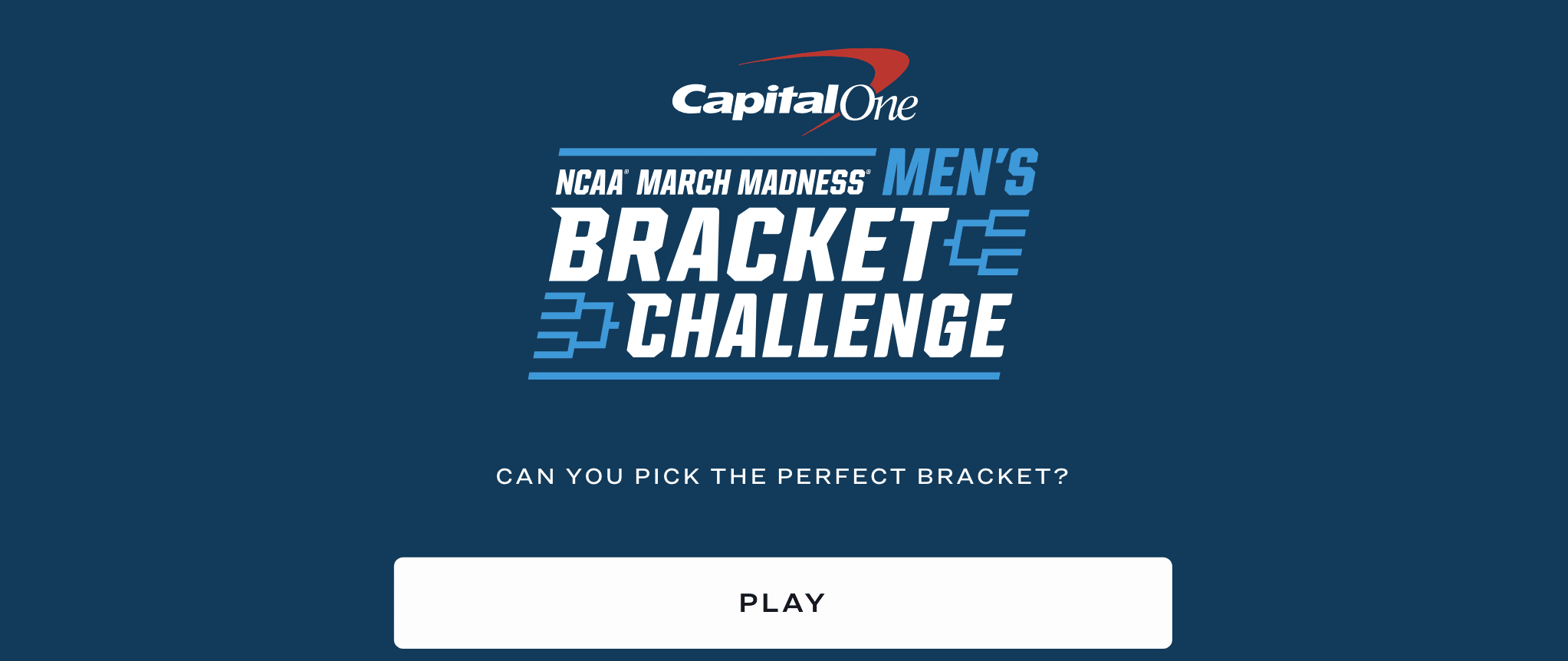
The financial services company has become synonymous with March Madness through its sponsorship of the Capital One NCAA March Madness Bracket Challenge. By offering cash prizes and exclusive experiences, Capital One successfully capitalized on the tournament’s excitement to promote its brand.

Capital One March Madness Challenge

Coca-Cola

Coca-Cola® Zero Sugar launched the “Debate the Goatness” campaign during NCAA March Madness. The campaign encouraged basketball fans to debate who they believed was the greatest of all time (GOAT) player in college basketball history while enjoying a Coca-Cola Zero Sugar. Fans were encouraged to share their opinions on social media using the hashtag #DebateTheGOATness, sparking lively discussions and engaging with the tournament’s excitement. This social media campaign effectively integrated Coca-Cola Zero Sugar into the March Madness conversation while leveraging the passion of basketball fans to drive brand engagement and awareness.

march madness marketing coke

Ideas for Capitalizing on March Madness

  1. Themed Promotions: Create March Madness-themed promotions or discounts tied to game outcomes, halftime scores, or buzzer-beaters to incentivize customer participation.
  2. Host Viewing Parties: Organize viewing parties at your business location or partner with local venues to create a festive atmosphere where fans can gather to watch games together. Virtual viewing parties are an option as well!
  3. Bracket Contests: Launch a bracket challenge for customers, employees, or social media followers, offering prizes for accurate predictions or creative entries.
  4. Social Media Engagement: Hop on your social media platforms to share behind-the-scenes content, live updates, and interactive polls related to March Madness, encouraging fans to join the conversation.
  5. Collaborate with Influencers: Partner with sports influencers or local personalities to promote your brand during March Madness, leveraging their reach and credibility to connect with a broader audience.

March Madness presents many opportunities for businesses to showcase their creativity, engage with customers, and drive sales. By drawing inspiration from successful campaigns and implementing innovative strategies tailored to their target audience, brands can capitalize on the excitement surrounding the tournament and elevate their marketing efforts to new heights.

Win the Marketing Game with MARION

Ready to score big with your marketing campaigns in Texas? Let MARION be your strategic partner in reaching your marketing goals and objectives. From creative campaigns to comprehensive digital marketing solutions, we have the expertise and resources to help your brand stand out in the competitive landscape.

Contact us today to learn more about our tailored marketing services in Texas and beyond.

Marketing emails you’ll actually want to read.

Get marketing tips and news sent to 
your inbox.
This field is for validation purposes and should be left unchanged.
Name(Required)